Last Updated on 15th December 2025 by Charlie Walsh
When most men think about hormones, testosterone is usually the first that comes to mind. It drives muscle growth, libido, and energy levels. But testosterone doesn’t work alone. Estrogen – often thought of as a “female” hormone – also plays a vital role in men’s health. The challenge arises when the balance tips too far.
High estrogen in men can lead to a variety of symptoms, from subtle changes in mood to more noticeable shifts in body composition. Understanding the causes and signs is key to taking control of your health and knowing when it’s time to seek medical advice.
Why Estrogen Matters for Men
Estrogen isn’t just a women’s hormone. In men, small amounts of estrogen (mainly estradiol) are crucial for bone density, brain function, and even regulating libido. The issue isn’t its presence – it’s when levels rise above what the body needs.
When estrogen climbs too high compared to testosterone, men may experience a range of physical and emotional changes. Doctors refer to this imbalance as estrogen dominance or hyperestrogenism.
Causes of High Estrogen in Men
Several factors can contribute to elevated estrogen levels. Some are related to natural body processes, while others come from lifestyle or medical conditions.
As men get older, testosterone levels naturally decline. Meanwhile, estrogen levels often remain stable or even increase slightly. This creates a relative imbalance that may lead to symptoms of high estrogen in men.
Body Fat and Aromatase Activity
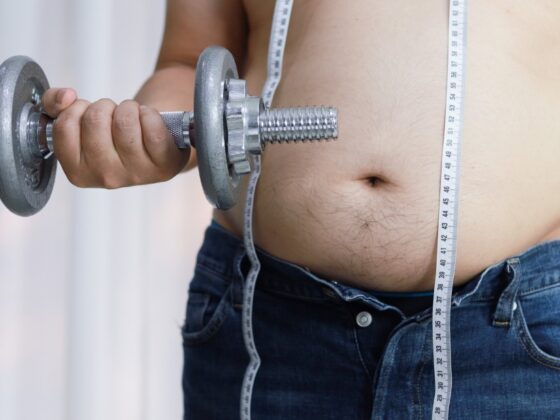
Fat tissue contains an enzyme called aromatase, which converts testosterone into estrogen. Higher body fat levels mean more conversion – which is why overweight men are more likely to develop estrogen dominance.
Medications
Certain drugs, including some antidepressants, blood pressure medications, and hormone therapies, can raise estrogen levels or lower testosterone, shifting the balance.
Alcohol Use
Excessive alcohol consumption disrupts liver function. Since the liver helps break down estrogen, impaired function can cause levels to build up in the bloodstream.
Underlying Health Conditions
Liver disease, kidney disease, and some tumors can all influence hormone production and metabolism. In these cases, elevated estrogen is often a symptom of a larger medical issue that requires treatment.
Signs of High Estrogen in Men
The symptoms of high estrogen in men vary depending on the degree of imbalance, but several signs tend to show up consistently.
Gynecomastia (Enlarged Breast Tissue)
Perhaps the most noticeable symptom, gynecomastia occurs when elevated estrogen stimulates breast tissue growth. It can cause swelling, tenderness, and in some cases, visible enlargement.
Erectile Dysfunction and Low Libido
Estrogen imbalance disrupts testosterone’s role in sexual function. Men may notice reduced desire or difficulty achieving erections.
Mood Changes
High estrogen is linked to irritability, anxiety, and even depressive symptoms. Men often describe feeling less emotionally stable when hormone balance is off.
Weight Gain
Excess estrogen contributes to increased fat storage, particularly around the abdomen and chest. This can make it harder to maintain a lean physique, even with exercise.
Fatigue
When hormones are out of balance, energy levels often drop. Men may feel consistently tired, even with adequate sleep.
Fertility Issues
High estrogen can interfere with sperm production, reducing fertility. For men trying to conceive, this is often one of the more concerning outcomes.
How to Recognize the Problem
Since many of these symptoms overlap with other conditions, lab testing is the most reliable way to determine whether estrogen levels are elevated. Doctors usually order blood tests that measure estradiol, testosterone, and other related hormones to get a full picture.
For men wondering why their sex drive or energy has shifted, or why fat seems harder to lose despite consistent workouts, high estrogen could be a contributing factor.
Lifestyle and Nutrition Considerations

Addressing high estrogen often involves more than just medication. Lifestyle plays a major role in keeping hormones balanced.
- Weight management helps reduce aromatase activity, lowering estrogen conversion.
- Limiting alcohol supports liver health and estrogen clearance.
- Exercise improves testosterone production and overall hormone regulation.
- Nutrition matters too – certain foods naturally support testosterone production and reduce estrogen dominance. For a practical breakdown, check out our guide on food to boost testosterone.
Medical Treatment Options
When lifestyle adjustments aren’t enough, doctors may recommend medical treatments.
- Aromatase inhibitors reduce the conversion of testosterone into estrogen.
- Testosterone replacement therapy (TRT) may be used to restore balance if low testosterone is the primary issue.
- Treating underlying conditions such as liver disease or obesity often improves hormone balance naturally.
It’s important that men avoid self-prescribing medications or supplements, since improper use can cause more harm than good.
The Role of Confidence and Body Image
Hormonal imbalance isn’t only about lab results – it’s also about how men feel in their own skin. For some, gynecomastia or weight gain leads to embarrassment, avoidance of intimacy, or reluctance to work out in public spaces. This impact on self-confidence can be just as disruptive as the physical symptoms themselves.
At Bathmate, we often hear from men about their journeys toward sexual confidence and body assurance. And if you want to see for yourself, make sure to check out our gallery of transformations shared by real customers – they’ve combined lifestyle changes with our tools and seen incredible results. And while every man’s path is different, the common thread is that regaining confidence starts with taking action.
When to Seek Medical Advice
Not every symptom points to high estrogen, but if you’re noticing multiple issues – such as breast tissue growth, persistent fatigue, and sexual changes – it’s worth booking a consultation. Hormone testing is straightforward, and treatment options are well-established.
Doctors can also help rule out more serious causes, ensuring that elevated estrogen is addressed as part of a larger health strategy.
Final Thoughts from Bathmate
High estrogen in men is often overlooked, but it can have significant effects on physical health, sexual performance, and confidence. From gynecomastia to mood shifts and reduced libido, the symptoms can disrupt everyday life.
We at Bathmate encourage men to view hormone health as part of overall well-being. Whether through nutrition, exercise, or medical treatment, restoring balance is possible. By understanding the signs and seeking support when needed, you can protect both your health and your confidence in the long term.
References
[1] Harvard Health Publishing. “Estrogen in Men: Good, Bad, or Both?” [2] National Institutes of Health (NIH). “Male Hormonal Health.”