Last Updated on 28th January 2026 by Charlie Walsh
Sexual wellness has entered the era of data. From erection trackers that log firmness overnight to AI-powered apps that chart your sexual fitness, men today have more insight into their performance than ever before. This article dives into how wearable sexual devices are revolutionizing sexual health, particularly in tracking and improving erectile function, stamina, and recovery. We also explore how traditional tools like penis pumps can complement this new wave of technology. You’ll learn:
- What types of wearables exist for tracking sexual performance
- How data is collected and used to assess erectile fitness
- The connection between wearables and male sexual dysfunction (MSD)
- How to choose between drug-free solutions and digital intimacy tools
- Where wearable tech and classic hydrotherapy meet for total performance tracking
By the end, you’ll understand how to use both digital and physical tools to support long-term sexual function, boost erection strength, and gain greater control over your performance—on your own terms.
The Rise of Sexual Performance Tracking
Modern health tech doesn’t stop at heart rate and step counters anymore. The quantified self movement has reached the bedroom. Men are now using smart, wearable sensors designed to gather data on:
- Erection duration and strength
- Nocturnal erections
- Libido trends over time
- Sexual endurance
- Partner engagement and satisfaction
These gadgets—discreetly worn around the penis—are designed with medical-grade materials, Bluetooth sync, and even AI-enhanced wearables that learn from your patterns.
“Today’s smart rings and wearable patches are less about gimmicks and more about helping men proactively address ED, PE, and other performance challenges without pills.”
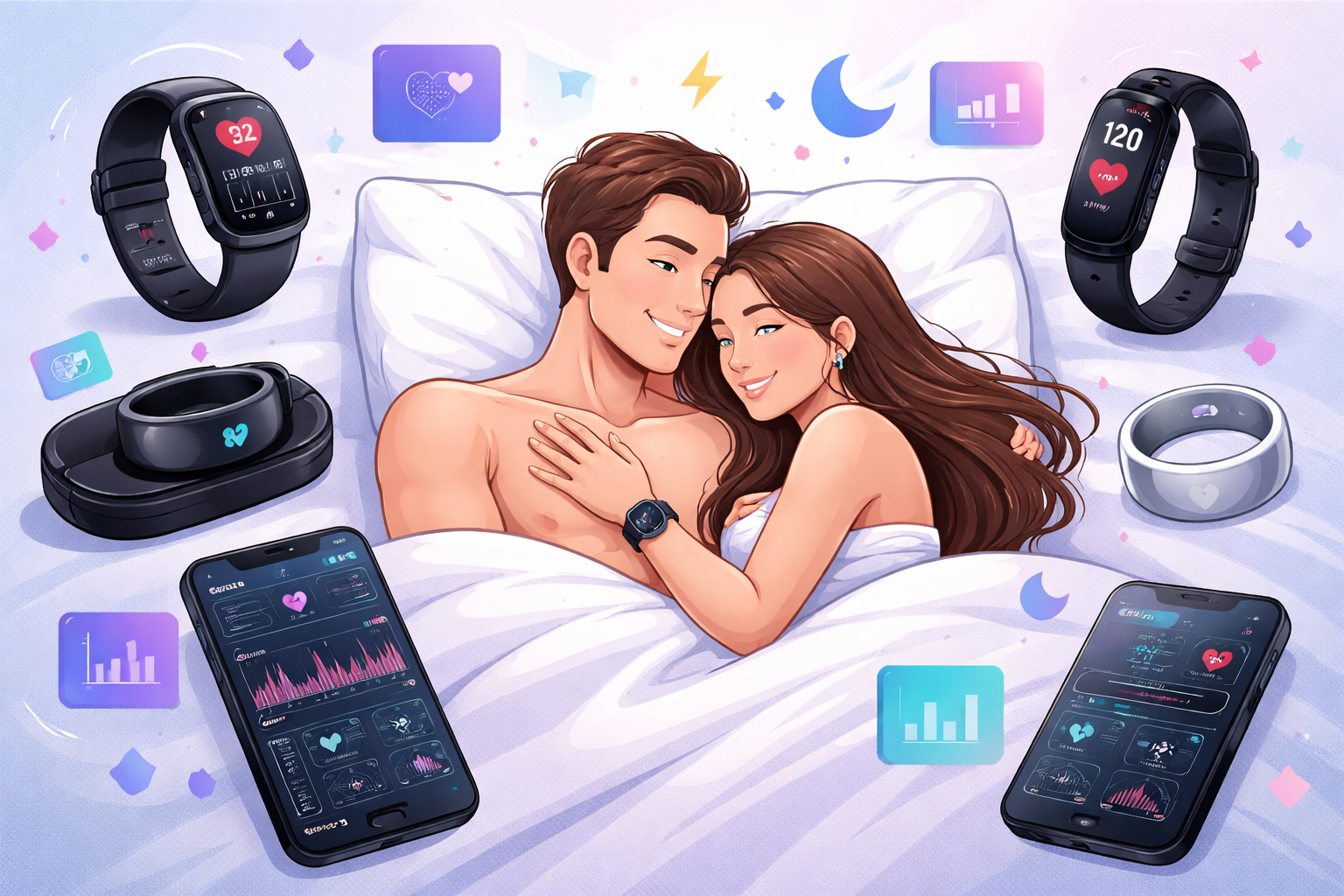
The information collected is used to populate graphical dashboards via mobile apps, offering real-time feedback on erectile health and helping men identify patterns in performance over time.
What Exactly Are Sexual Wearables?
There are several categories of wearable sexual devices, each with unique benefits:
1. Smart Penis Rings
These track erection strength, duration, and frequency. Some, like the ones used for penile rehabilitation after surgery, offer biofeedback on vascular performance (blood inflow/outflow).
2. Wearable Sensors and Patches
Think of them as discreet fitness bands—only placed on the genitals. Often used overnight to track nocturnal erections, they log data that may predict conditions like erectile dysfunction (ED) or even early signs of cardiovascular issues.
3. Vibratory and Neuromodulation Devices
These tools provide stimulation to delay ejaculation or increase arousal through targeted nerve activation. They’re often paired with remote monitoring apps and allow for personalized suggestions during intimacy.
From Data Logger to Bedroom Dashboard
Most of these devices connect via Bluetooth synchronization to mobile apps. Once synced, users can:
- Track firmness scores
- Analyze erection quality by time of day
- Compare performance across sessions
- Receive encouragement, partner tips, and even position suggestions
One standout feature? Anonymous analytics that allow users to understand their performance over time without compromising privacy—an especially important concern in sexual health data privacy.
Performance anxiety, often worsened by guesswork, is reduced when users have tangible data guiding their progress. This bridges a crucial gap between physical function and mental confidence.
Wearables + Hydrotherapy = Next-Level Sexual Health
While wearables offer high-tech insights, pairing them with a trusted hydrotherapy solution can enhance both recovery and real-time performance. That’s where products like the HydroXtreme Pump come into play.
Bathmate’s water-based penis pumps have been clinically tested to support arterial blood inflow, combat venous outflow, and improve erection strength without medication. For those seeking a drug-free solution, this can be a powerful companion to digital tools.
Explore our full pump collection for a breakdown of systems suited to beginners and advanced users alike.
Many users use erection trackers overnight, then follow with a morning pump routine using the Hydro7 for optimal daily results.
Who Are Wearables Really For?
Contrary to popular belief, wearable erection trackers aren’t just for men with diagnosed sexual dysfunction. They’re used by:
- Men recovering from prostate cancer surgery
- Couples wanting relationship improvement tools
- Fitness-oriented users tracking sexual health as part of overall wellness
- Men using penis pumps who want to monitor long-term gains
- Tech enthusiasts exploring biometric tracking in new ways
Whether you’re experimenting with digital intimacy tools or following a strict pelvic floor training program, wearable tech adds precision to your progress.
If you’re using accessories with your pump setup, don’t forget to check out Bathmate accessories designed to work seamlessly with your device.
The Medical Side: Wearables in Sexual Health Research
Wearables aren’t just wellness gadgets—they’re becoming legitimate tools in the field of urology and clinical trials. Recent studies have explored how smart rings and wearable patches contribute to better diagnosis and treatment outcomes in men with male sexual dysfunction (MSD), including erectile dysfunction (ED) and premature ejaculation (PE).
Researchers are particularly interested in:
- Long-term tracking of nocturnal erections as an indicator of vascular and nerve health
- Measuring the effectiveness of therapies like vacuum pumps and pelvic exercises
- Monitoring recovery in men undergoing prostate cancer recovery
Because wearable devices can collect passive data overnight without discomfort, they offer a non-invasive treatment and monitoring option—a massive leap forward compared to traditional hospital-based testing.
This shift also supports broader trends in remote monitoring and smart health technology, enabling men to take control of their sexual wellness from home.
In fact, the collected data from erection trackers may one day help clinicians build predictive models using machine learning in health, allowing earlier intervention for ED and cardiovascular diseases.
Tech Meets Therapy: How to Combine Tools for Results
One of the most exciting developments in sexual health is how wearable data can guide or even enhance physical interventions. Let’s say your erection tracker shows a decrease in firmness score over a few weeks. That insight can prompt action—whether through lifestyle changes, or by using proven physical tools like hydrotherapy pumps.
This is where wearable tech meets traditional therapy.
For instance, after analyzing nightly erection data, a man may opt to include a high-performance pump like the HydroXtreme Kit into his routine. Designed for advanced users, it provides unparalleled arterial blood inflow support while allowing customizable pressure settings. Combined with the biometric feedback from a wearable, users can tailor their routine for maximum erectile fitness.
Similarly, those starting out might begin with something like the Hydromax, using the real-time performance analytics from their wearable device to track how their erectile response evolves session by session.
What to Look For in a Sexual Performance Wearable
Before diving in, it’s essential to know what separates gimmicks from genuine performance tools. Here’s what to consider:
✅ Key Features to Look For:
- Medical-grade materials for comfort and safety
- Safe overnight use for tracking nocturnal erections
- Bluetooth synchronization with strong data encryption
- Graphical dashboard to visualize trends
- Biofeedback or vibration features for arousal or training
- Anonymous data collection and data ownership controls
❌ Red Flags to Avoid:
- No mention of FDA-clearance or clinical testing
- Invasive or uncomfortable form factor
- No user control over data privacy (watch for weak HIPAA compliance standards)
Your data is personal. Look for wearables that offer full consent in data tracking and transparency on how information is stored and used.
And while you’re adding tech to your routine, don’t forget comfort matters too. Devices that offer a snug yet flexible fit—similar to tension rings or adjustable loops found in quality pumps—are more likely to integrate seamlessly into your lifestyle.
Who’s Using These Devices (And Why)?
1. Post-Recovery Users
Men healing from prostate surgery often turn to both penis rings and smart trackers to measure improvements in erection strength and function.
2. Performance Optimizers
Healthy individuals use wearable trackers as a type of sexual fitness tracker—comparing their stats over time, much like athletes monitor their workouts.
3. Biohackers
These users are often tech-savvy men exploring quantified self (QS) lifestyles. They’re excited by the potential for digital intimacy tools, AI-enhanced wearables, and real-time body metrics.
4. Partners Seeking Better Connection
With features like partner recommendations and encouragement messaging, these tools can enhance shared sexual exploration and communication.
Wearables vs. Medications: What’s Right for You?
If you’ve experienced erectile dysfunction (ED) or premature ejaculation (PE), chances are you’ve encountered the traditional go-to: medication. While pharmaceutical treatments can offer quick results, they come with limitations—side effects, dependency concerns, and the inability to track long-term progress.
Wearable sexual devices, on the other hand, provide a drug-free solution with data-driven insight. They don’t just help you perform—they help you understand why you’re performing better (or not). This makes them powerful companions to tools like the UltraMale Kit, which combines Bathmate’s most advanced pump with curated supplements and accessories to support holistic sexual health.
The growing appeal of wearables is their ability to empower users to:
- Track and measure sexual function over time
- Combine interventions (e.g., pumps + behavioral tools)
- Create a feedback loop to improve and adjust
- Avoid reliance on short-term fixes
Wearables don’t just respond to symptoms—they help prevent future issues by turning attention to underlying patterns in libido, stress, and recovery.
The Psychological Edge: Rebuilding Confidence with Data
For many men, sexual performance is tied deeply to self-image and mental well-being. This is where wearable tech becomes more than a novelty—it becomes a tool for psychological empowerment.
By offering real-time feedback and progress charts, wearables shift focus from anxiety to action. They can also play a valuable role in self-esteem tracking and stress and sexual function correlation, revealing how external pressures (like sleep or alcohol use) influence intimate performance.
Combine that insight with a consistent routine using a pump like the Hydro7, and you build both physical gains and psychological trust in your body.
This becomes especially valuable for:
- Men recovering from trauma or surgery
- Those in therapy for performance anxiety
- Users engaging in behavioral therapy adjuncts or pelvic floor training
- Couples working through relationship renewal
And since many wearables are discreet and app-connected, you can keep tracking privately or share results with a partner, physician, or coach based on your comfort level.
The Future of Sexual Health: AI Coaching & Smart Ecosystems
The next wave of sexual health tech is already on the horizon—and it’s powered by artificial intelligence.
Imagine a wearable that not only tracks your erection duration, but also:
- Analyzes patterns using machine learning in health
- Offers personalized coaching tips for sexual technique
- Syncs with your Bathmate pump sessions for integrated wellness suggestions
- Sends confidential, HIPAA-compliant reports to your urologist for early intervention
These AI-enhanced wearables will likely form part of a broader Internet of Things (IoT) ecosystem, where your sexual health data integrates with overall fitness tracking, nutrition plans, and even mental health apps.
We’re heading toward a future where digital intimacy tools work hand-in-hand with physical wellness strategies to create a fully connected view of your health—below the belt and beyond.
Building a Holistic Sexual Wellness Routine
If you’re ready to take control of your sexual health in a smart, sustainable way, here’s how to combine wearables with Bathmate tools for full-spectrum results:
1. Track Your Baseline
Start with a wearable sensor that logs erection quality and frequency overnight. Use the data to identify trends—are erections stronger on workout days? Does stress impact duration?
2. Integrate Hydrotherapy
Add a hydro pump from our Bathmate collection 3–5 times a week to support penile rehabilitation, boost arterial blood inflow, and improve long-term firmness.
3. Optimize with Accessories
Use specialized Bathmate accessories like comfort pads or cleaning kits to extend the life of your device and improve every session.
4. Apply Data-Driven Adjustments
Review your wearable’s graphical dashboard to identify which habits help or hinder your progress. Adjust workouts, sleep, or supplement routines accordingly.
5. Celebrate Wins—Privately or Together
Whether you’re training solo or sharing with a partner, use biofeedback and partner recommendations to keep things fun, connected, and aligned with your goals.
Final Thoughts
Wearable tech has shifted the sexual health conversation from reaction to prevention, from shame to empowerment. When used with physical tools like Bathmate pumps, this new wave of technology doesn’t just track your performance—it supports real, measurable growth.
If you’re ready to take a more proactive approach to your performance, explore the synergy between your favorite wearable and the proven power of Bathmate.
Start your journey with Bathmate today and take your performance—and confidence—to the next level.
Frequently Asked Questions: How to Track Sexual Performance With Wearables
1. Are sexual performance wearables safe to wear during intercourse?
Yes, most modern wearables designed for sexual performance tracking—such as smart rings or wearable patches—are made from medical-grade materials and engineered for comfort and fit. They’re typically non-intrusive and safe to use during intercourse, though it’s important to follow manufacturer instructions to avoid injury or discomfort.
2. Can these devices be used by men without erectile dysfunction or sexual dysfunction?
Absolutely. Wearable trackers are not just for men dealing with erectile dysfunction (ED) or male sexual dysfunction (MSD). Many men use them as part of a quantified self (QS) lifestyle to monitor sexual fitness, track progress from pump use, or simply understand patterns in arousal and performance.
3. How accurate are wearable erection trackers?
Accuracy can vary by brand, but leading devices use biometric tracking and pressure sensors to deliver reliable data. While not a replacement for medical testing, many offer a solid proxy for erection strength, duration, and firmness score, especially when tracked over time.
4. What kind of data do these wearables collect?
Typical data points include:
- Erection duration and frequency
- Firmness level
- Time of occurrence (e.g., during sleep vs arousal)
- Caloric burn (in some cases)
- Position tracking or movement metrics
This information helps users understand sexual function trends and triggers over time.
5. Do I need to keep my phone nearby while using the wearable?
Not usually. Most devices use Bluetooth synchronization only during setup and after sessions. During use—especially overnight—they often disconnect to avoid continuous radiation and store data locally for later data download.
6. Are sexual wearables discreet and portable for travel?
Yes. These devices are designed to be minimalist and discreet, often smaller than a standard fitness tracker. Many come with travel cases, silent modes, and waterproofing, making them ideal for use at home or on the road.
7. How do wearables compare with fitness trackers or smartwatches for sexual tracking?
While some smartwatches can provide general data like heart rate or sleep, dedicated sexual performance wearables are designed specifically for tracking erection quality, libido patterns, and sexual performance analytics. They’re much more precise in this domain than generic fitness tech.
8. How private is my data when using these devices?
Privacy depends on the device manufacturer. Look for wearables that offer:
- Anonymous analytics
- Data ownership controls
- Clear consent in data tracking policies
- Ideally, HIPAA compliance if health data is stored or shared
Always read the privacy policy before purchasing.
9. Can wearables help detect medical issues early?
Potentially, yes. Consistent declines in nocturnal erections, reduced firmness scores, or sudden performance drops might signal underlying health issues, including vascular disease or hormonal imbalances. This makes wearable data a helpful tool for initiating conversations with your healthcare provider.
10. Can I use wearables alongside penis pumps like those from Bathmate?
Absolutely—and this is often recommended. Wearables can track improvements over time from pump routines, helping you refine and personalize your program. For instance, using a HydroXtreme Pump regularly while tracking your progress with a wearable gives you a complete picture of your sexual wellness