Last Updated on 20th January 2026 by Charlie Walsh
This article cuts through the marketing noise to help you navigate the complicated world of male enhancement. We break down popular enlargement methods—from penis pumps to surgical interventions—weighing up their benefits, risks, effectiveness, and user satisfaction. You’ll learn:
- Why penis size anxiety is more common than you think—and what to do about it.
- Which tools (like penis extenders and penile traction devices) are backed by clinical evidence.
- The risks and side effects of more invasive methods like penile implants or fat injections.
- How Bathmate’s patented water-based vacuum technology fits into the picture as a non-invasive enhancement option.
- What to realistically expect in terms of results—temporary vs. permanent, girth vs. length, and partner satisfaction.
- Why medical bodies often steer clear of surgery for cosmetic reasons.
Whether you’re researching for yourself or your partner, this guide delivers the facts without false promises.
Introduction: Truth Over Taboo
Penis enlargement is one of the most controversial and misunderstood areas in men’s health. From ancient practices to modern devices and surgical interventions, the options have multiplied—so have the false claims, unregulated supplements, and poorly understood side effects.
This guide is here to help you sort reality from marketing hype.
Let’s start by examining what drives the demand:
“Men often seek enlargement solutions not purely for physical results, but for psychological reassurance—boosting self-esteem, easing body dysmorphia, or enhancing relationship dynamics.”
Understanding this emotional undercurrent helps frame the rest of the conversation, especially when evaluating non-surgical vs. surgical options.
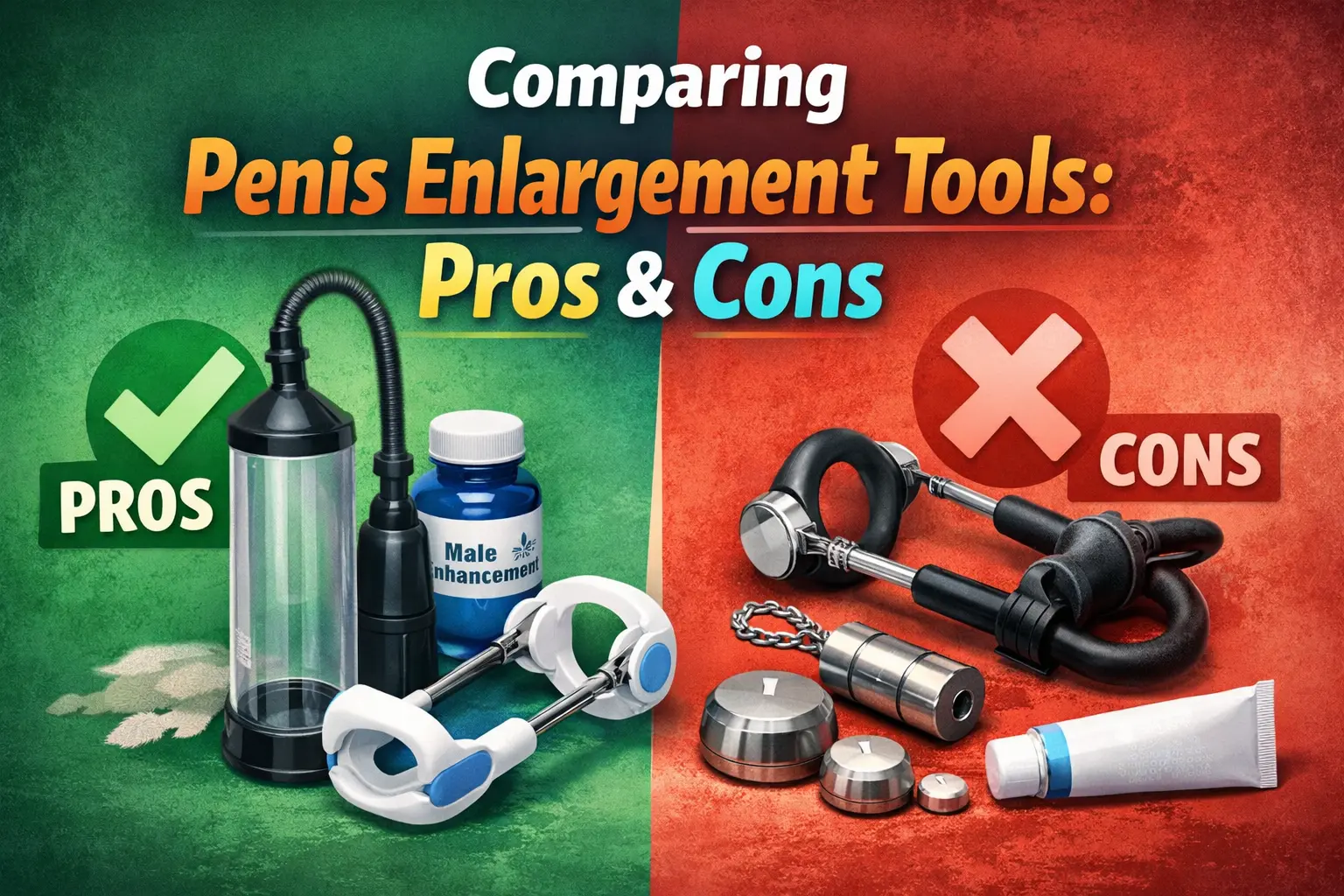
Penis Pumps: The Frontline of Non-Invasive Enhancement
Among all the enlargement tools, penis pumps—particularly vacuum-based ones—are perhaps the most commonly recommended for temporary enlargement and erectile support. The concept is simple: a vacuum creates negative pressure, drawing blood into the penis, which leads to a fuller erection.
Bathmate’s patented line of hydro pumps—available via our Hydro Series collection—takes this principle further by using water instead of air. This innovation offers a gentler and more uniform pressure distribution, minimizing risks of pain, scarring, or disfigurement.
Pros:
- Non-invasive
- Immediate (though temporary) results
- May improve sexual function over time with consistent use
- Can be used as part of erectile dysfunction therapy
Cons:
- Results require regular use
- Temporary effects unless paired with other practices (e.g. traction therapy)
- Incorrect use can lead to penile curvature or bruising
Note: Pumps can also be helpful for men with micropenis, especially when used under supervision.
Penis Extenders and Traction Devices: Patience and Persistence
Penile traction devices—often called penis extenders—are mechanical tools designed to gradually stretch the penis over time. This isn’t about brute force but controlled, gentle tension applied for several hours a day.
Scientific studies have shown moderate success, with gains of up to 2 inches in length reported after consistent use over several months. For those who are looking for permanent results, this is one of the few non-invasive options with some clinical evidence behind it.
Traction therapy duration is key here. Without a long-term commitment (4–6 hours daily for months), results are minimal at best.
Pros:
- Non-surgical
- Potential for permanent length increase
- Supported by some peer-reviewed studies
Cons:
- Time-intensive
- May cause discomfort if not properly fitted
- Limited impact on girth
Pills, Lotions, and Supplements: The Least Trusted Category
Despite widespread popularity, pills and supplements often fall short in terms of safety and results. Marketed as “natural male enhancement,” many contain unlisted ingredients or hormonal compounds that haven’t been evaluated by the FDA.
You’ll frequently see before and after photos, flashy testimonials, and words like “clinically proven.” However, most of these claims lack verifiable sources or are based on placebo effect rather than scientific evidence.
What the FDA says:
“Many products marketed for male enhancement have been flagged in FDA warning letters due to undisclosed pharmaceutical ingredients and misleading health claims.”
Unless prescribed for a legitimate medical condition, steer clear. These products may interact with other medications or contribute to hormonal imbalance, erectile dysfunction, or even permanent damage.
Jelqing and Stretching Exercises: Ancient But Risky
Jelqing is an old-school technique involving a series of manual stretching movements meant to encourage blood flow and expand penile tissues. While it sounds straightforward, this method is not supported by medical literature, and the risks often outweigh the supposed benefits.
Stretching devices—as distinct from jelqing—can include physical tools, but even these require oversight. Done incorrectly, they can lead to scar tissue formation, nerve damage, and even loss of sensation.
Risks include:
- Pain
- Penile curvature
- Scarring
- Disfigurement
Still, some anecdotal reports suggest increased partner satisfaction and self-confidence among users who didn’t experience side effects.
The Cutting Edge: Surgical Options for Penis Enlargement
For those who pursue permanent transformation—especially in cases where non-invasive enhancement has fallen short—surgery may appear to be the final frontier. But here’s the truth: penile enlargement surgery is often controversial, costly, and high-risk, particularly when performed for cosmetic rather than medical reasons.
Let’s break down the most common surgical procedures and assess their effectiveness, risks, and real-world outcomes.
1. Suspensory Ligament Release
This is one of the more frequently performed surgeries aimed at increasing perceived penile length. The surgeon cuts the ligament connecting the penis to the pubic bone, allowing more of the shaft to extend externally.
Pros:
- Can make the flaccid penis appear longer
- Outpatient procedure in most cases
Cons:
- No increase in erect length
- Can result in an unstable erection angle
- Ligament can reattach over time, reversing results
- Often combined with pubic fat pad reduction, which carries its own risks
According to various studies in andrology, the patient satisfaction rate is mixed at best, and complications like penile curvature, scarring, and erectile instability are not uncommon.
2. Fat Injections and Girth Enhancement Fillers
Also known as soft tissue augmentation, this procedure takes fat from other parts of the body and injects it into the penile shaft to increase girth.
Some clinics are now experimenting with girth enhancement fillers made from synthetic materials, but the long-term safety profile is still unclear.
Pros:
- Immediate visual enhancement of girth
- No incision along the penile shaft itself
Cons:
- Fat often reabsorbs unevenly
- Results may appear lumpy or asymmetrical
- Risk of infection, loss of sensation, or erectile dysfunction
The cosmetic urology field remains divided on whether this procedure offers lasting results or just short-lived, potentially dangerous aesthetics.
“From a safety standpoint, there are currently no FDA-approved injectable materials specifically for penile girth enhancement.”
— Urology Care Foundation
3. Tissue Grafting and Phalloplasty
Phalloplasty typically refers to reconstructive or cosmetic lengthening using tissue grafting. Surgeons graft skin, fascia, or other soft tissues to increase overall penile bulk or coverage.
In cases of micropenis or traumatic injury, phalloplasty may be medically indicated, but for the average man, it remains experimental.
Pros:
- May increase both length and girth
- Potentially more permanent than injectables
Cons:
- Complex and high-risk
- Extended recovery time
- Likely multiple surgeries
- Can lead to disfigurement or loss of sexual function
Medical recommendation for this type of enhancement is rare, and most practitioners in the field of aesthetic enhancement caution against it unless for reconstructive needs.
Penile Implants: Intended for Function, Not Size
Penile implants are primarily used for men with severe erectile dysfunction, especially when other treatments fail. While they may enhance the rigidity of erections, they do not increase length or girth.
Types of implants include:
- Inflatable rods (which allow some control over firmness)
- Malleable rods (semi-rigid)
These devices are generally not recommended for cosmetic enlargement, and the risk of infection, mechanical failure, or sensation loss remains a concern.
Understanding the Risks: Beyond the Operating Table
While the promise of permanent results may be tempting, surgery comes with an array of risks and side effects:
- Erectile dysfunction
- Scarring
- Loss of sensation
- Infection
- Psychological distress
- Unrealistic expectations
And let’s not forget the cost vs. benefit debate. These procedures can run into thousands of dollars, often without any guarantee of patient satisfaction.
“Many men who pursue cosmetic penis surgery report lower satisfaction post-procedure due to unmet expectations and complications.”
— Sexual Medicine Reviews
If you’re considering surgery, consulting with a specialist in andrology and mental health is not just helpful—it’s essential.
So, Who Actually Needs Surgery?
While the average man’s desire for enhancement is largely cosmetic, some cases may warrant medical intervention:
- Micropenis (erect length less than 3 inches)
- Severe congenital defects
- Injury or trauma
- Reconstructive needs following cancer or disease
For the rest, non-invasive options—like water-based pumps from our Bathmate Hydromax collection—may offer safer and more satisfying alternatives.
Making the Right Choice: Balancing Risks, Expectations & Results
Now that we’ve explored the spectrum of tools — from penis pumps and extenders to surgical procedures — the next step is understanding which method suits your personal goals, your lifestyle, and most importantly, your health profile.
This isn’t just a medical decision — it’s also deeply psychological, emotional, and often tied to relationship dynamics and self-perception.
Girth vs. Length: What Do You Actually Want?
Before selecting a tool or method, define your desired outcome:
- Length enhancement: Traction devices and ligament release surgery may help.
- Girth enhancement: Pumps, fat injections, and girth fillers target width.
- Erection support: Vacuum-based pumps like the Bathmate HydroXtreme are often used to enhance firmness and confidence.
Keep in mind, few methods — even invasive ones — offer meaningful improvement in both length and girth. And remember: perception is often more important than physical measurement.
“Many men who believe they are below average actually fall within the typical size range. The issue is often not physical but perceptual.”
— Journal of Sexual Medicine
Evaluating Pros and Cons Like a Pro
When assessing penis enlargement options, weigh the following criteria for each:
- Invasiveness: Is it surgical or non-surgical?
- Safety profile: Are side effects rare, moderate, or common?
- Scientific evidence: Is there published, peer-reviewed support?
- FDA approval: Is the product or procedure regulated?
- Recovery time: Does it interfere with daily life?
- Cost vs. benefit: Are results worth the financial and emotional investment?
- User experience: Are there real testimonials or only marketing hype?
A Quick Comparison Table
| Method | Invasiveness | Risk Level | Evidence | Best For |
| Water-based pumps (e.g. Bathmate) | Non-invasive | Low | Moderate | Girth, erectile support |
| Penis extenders / traction | Non-invasive | Low to Moderate | Moderate | Length |
| Jelqing | Manual / risky | Moderate to High | Low | Temporary confidence |
| Pills & Supplements | Non-invasive | High (unregulated) | Very Low | None recommended |
| Surgery (ligament release, grafts) | Invasive | High | Low to Moderate | Cosmetic / reconstructive |
| Penile implants | Invasive | High | High (for ED only) | Severe erectile dysfunction |
User Testimonials vs. Medical Data: Who Do You Trust?
The market is flooded with user-generated reviews, before-and-after photos, and celebrity endorsements. While these may be motivating, they’re not always trustworthy.
Some natural male enhancement blogs show results based on short-term swelling, not long-term growth. Others omit crucial disclaimers about traction therapy duration or risks of incorrect pump usage.
By contrast, data from Sexual Medicine Reviews and the Mayo Clinic often reveals a more cautious, balanced view—highlighting both the potential and the pitfalls.
If in doubt, talk to a board-certified urologist or andrology specialist before beginning any regimen.
The Often Overlooked Piece: Psychological Health
Many men seeking enlargement tools are battling penis size anxiety, sometimes tied to unrealistic expectations from media, performance pressure, or even relationship insecurity.
Here’s the truth:
- A thicker or longer penis doesn’t always lead to better partner satisfaction.
- Counseling or sex therapy can be more transformative than any device or pill.
- Physical change without emotional support can leave underlying confidence issues unresolved.
In some cases, exploring pelvic floor health, communication with a partner, or mental health support may improve intimacy far more than any enlargement tool.
So, Where Should You Start?
If you’re just beginning your enhancement journey and want to avoid high-risk procedures, consider starting with:
- A medically safe, water-based vacuum pump like those in the Bathmate Hydromax collection.
- Combining this with healthy lifestyle changes, such as regular exercise, weight loss, and pelvic floor exercises.
- Setting realistic expectations and consulting a healthcare provider before moving toward invasive solutions.
And if you’ve already tried certain tools and are considering surgical options, make sure you’re informed about:
- The permanence of results
- The likelihood of complications
- Whether your goals are functional, cosmetic, or psychological
Final Thoughts
Enhancing your body, especially something as personal as your penis, is a deeply intimate choice. It’s not about what you should do — it’s about what feels right, safe, and satisfying for you.
There’s no magic solution — just informed decisions, consistent effort, and a balanced perspective on who you are and why you’re doing this.
For trusted tools designed with safety, science, and satisfaction in mind, explore the full range of Bathmate penis pumps and accessories.
Frequently Asked Questions: Penis Enlargement Tools — What You Really Want to Know
1. Can I combine multiple penis enlargement methods at once?
Yes, but with caution. Combining methods like a penis pump with a penis extender or performing jelqing alongside pump use is common in community forums. However, overuse or poor technique can lead to pain, tissue damage, or erectile dysfunction. Always introduce new tools gradually and monitor your body’s response. If in doubt, consult a specialist in andrology or urology.
2. Do gains from penis pumps or extenders disappear over time?
Temporary swelling from pumps typically subsides within hours. However, long-term, consistent use of traction devices (over months) may lead to more permanent results, especially for length. Maintenance routines may be required to retain gains once maximum size is reached.
3. Is there a best age to start using penis enlargement tools?
Most tools are designed for adults aged 18 and older. The best time to consider enlargement is when your body has fully developed and you have a clear, mature understanding of your goals. For older users, it’s still safe — particularly if you’re using non-invasive tools — but it’s wise to monitor for underlying circulatory or hormonal issues that could affect results.
4. Can penis enlargement tools help with curvature or Peyronie’s disease?
Some penile traction devices have shown promise in helping with mild cases of Peyronie’s disease (a condition where scar tissue causes a curve in the penis). However, they must be medically approved and used under clinical guidance. Bathmate pumps are designed for general enhancement and may help indirectly with blood flow, but they are not a treatment for Peyronie’s.
5. How long does it take to see visible results with a penis extender or pump?
Results vary by tool, consistency, and your body’s response. On average:
- Penis extenders: Small gains may appear after 4–6 weeks, with more noticeable results after 3–6 months of daily use.
- Penis pumps: Provide immediate, short-term girth increases; some users report more lasting gains after 8–12 weeks of regular use.
Consistency and technique are key.
6. Are there natural or lifestyle alternatives to using tools or undergoing surgery?
While there’s no proven way to drastically increase penis size naturally, certain lifestyle changes can improve perceived size and performance:
- Losing excess fat around the pubic area
- Improving pelvic floor strength through targeted exercises
- Managing testosterone levels with diet, sleep, and stress control
- Enhancing sexual confidence through therapy or communication
These approaches don’t change anatomy but may improve sexual function and self-perception.
7. Do insurance companies cover penis enlargement surgery?
Generally, no. Most insurance plans do not cover penile enlargement surgery, as it is considered cosmetic and elective. Exceptions may include reconstructive procedures due to injury, birth defects, or cancer treatment. You’ll need thorough documentation and a clear medical indication for coverage consideration.
8. Can penis enlargement tools increase sensitivity or improve orgasms?
This depends on the tool. Some users report improved erectile quality and heightened sensitivity after using vacuum pumps regularly due to improved blood flow. However, overuse or incorrect technique—especially with manual stretching or jelqing—can decrease sensitivity due to nerve irritation or damage.
9. What’s the difference between water-based and air-based penis pumps?
Water-based pumps (like Bathmate) use water to create pressure, resulting in more even distribution and reduced risk of bruising or over-pumping. Air-based pumps use dry suction, which may be more aggressive and harder to regulate. Water-based systems are generally considered safer and more comfortable for regular use.
10. Will my partner notice or care about any size gains I achieve?
Not always. Many studies suggest partner satisfaction is more closely tied to intimacy, communication, and sexual technique than size. That said, some partners may appreciate enhanced confidence, erection quality, or visual changes. The key is to align expectations and communicate openly — the best enhancement is often emotional, not just physical.