Last Updated on 21st January 2026 by Charlie Walsh
Sex tech is rapidly evolving, merging wellness, AI, and wearable innovation into tools that are radically reshaping intimacy, health, and pleasure. In 2026, the focus shifts toward inclusive design, real-time biofeedback, clinical-grade tracking, and personalized wellness ecosystems. From AI-powered sex toys to app-based intimacy tools and XR/VR-enabled coaching, sex tech is no longer niche—it’s becoming essential. In this article, we explore what’s coming, who’s leading, and how sexual wellness products—like penis pumps designed with circulatory health and performance in mind—are now part of a broader tech-driven revolution.
The Next Frontier of Pleasure: Where Technology Meets Intimacy
The future of sexual wellness isn’t shaped by gadgets alone. It’s powered by data, driven by design, and redefined by a new understanding of health. As 2026 approaches, sex tech steps fully into the light—moving from novelty to necessity.
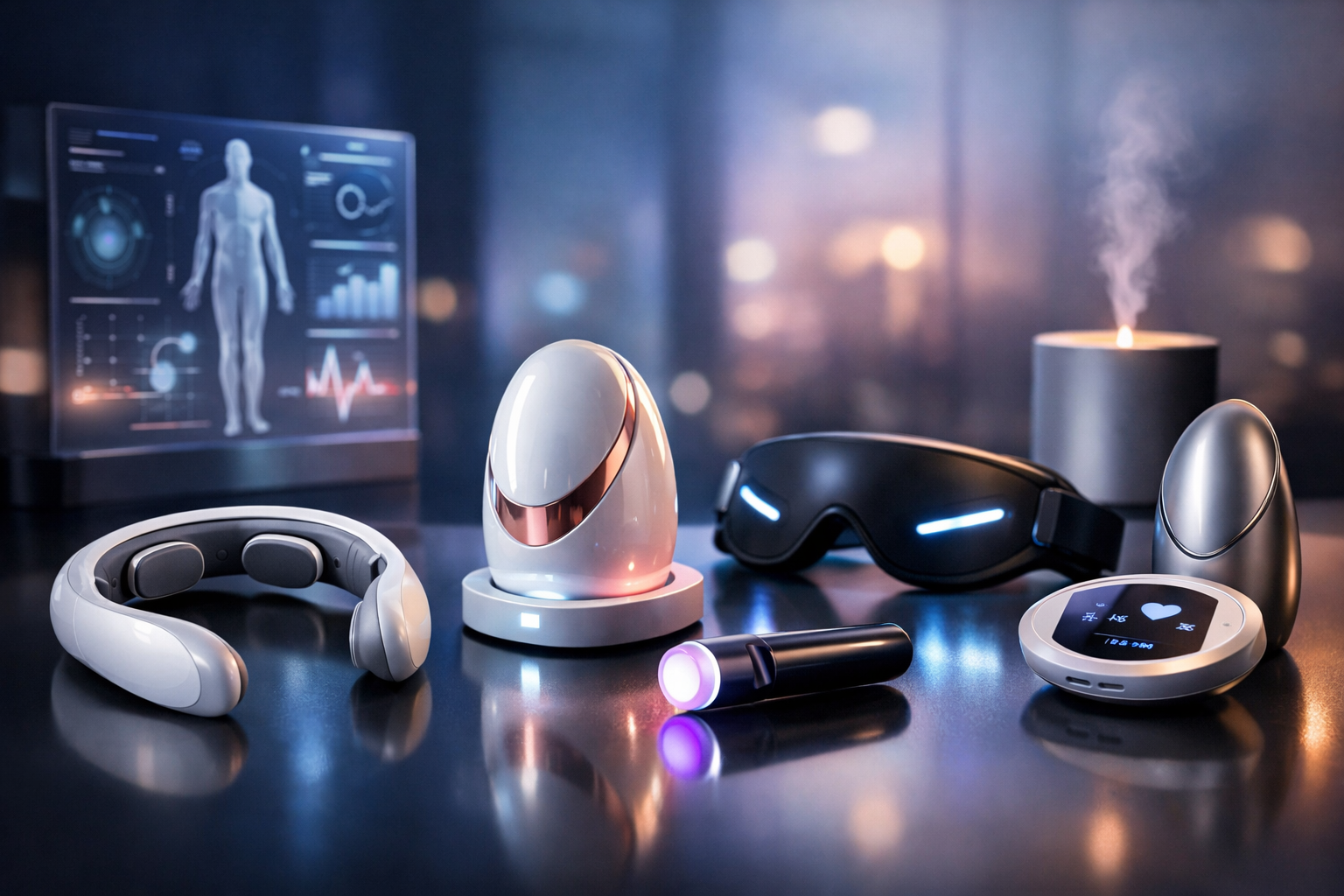
At the heart of this shift is a push for connected, intelligent devices that don’t just stimulate, but also learn, adapt, and care. Think of it as the Apple Watch for your libido—except it doesn’t just track performance, it enhances it.
These innovations are:
- Integrating AI and machine learning for real-time adjustments based on biometric feedback
- Using biometric sensors to deliver insights into circulation, arousal, stress, and hormonal balance
- Embracing inclusive design principles for bodies and abilities of all kinds
- Creating discreet, secure, and private systems for users to explore safely
“Sexual health isn’t a side conversation anymore—it’s central to how we define wellness and quality of life,” says one product designer working on emotion-sensing AI for adaptive stimulation devices.
AI-Powered Devices That Learn From You
One of the most exciting shifts in 2026 is the move toward AI-powered sex toys that aren’t pre-programmed but evolve over time. These devices take cues from your body’s rhythms, preferences, and biofeedback.
Imagine a smart device that notices your body temperature rise and adjusts vibration frequency—or one that detects tension and slows things down. That’s not science fiction anymore.
These systems often integrate:
- Real-time data tracking (e.g., heart rate variability, arousal cycles)
- Adaptive stimulation based on mood and context
- Integration with sexual wellness apps that store preference profiles
- Partner syncing for long-distance intimacy tools
As we’ve seen with our own products, personal progress is measurable. Whether it’s improved blood flow, stronger erections, or better stamina, intelligent devices can provide clear feedback loops—and we’re only at the beginning.
From Taboo to Telehealth: Sex Becomes Smart and Clinical
With growing attention on erectile dysfunction, hormonal imbalance, and pelvic health, medical-grade sex tech is finding its place in mainstream healthcare. A key driver is the merging of sexual health tracking with wearable tech—no longer just for fitness buffs, but for anyone exploring their wellness more holistically.
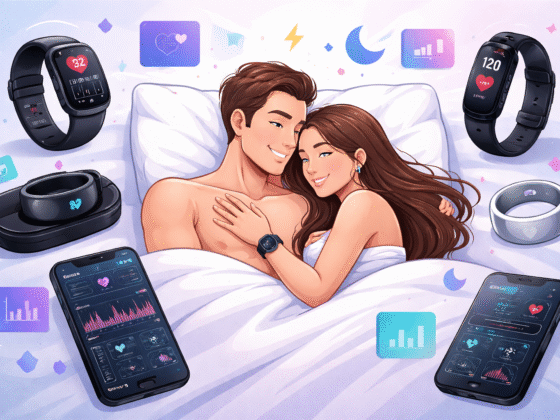
Smart rings, pelvic floor trainers, and Bluetooth-enabled devices now monitor everything from testosterone rhythm to circulation and vascular health. Some even support remote intimacy experiences while helping clinicians understand patterns of dysfunction or performance.
Key health features integrated into 2026’s wave of products include:
- Hormonal monitoring via skin sensors or saliva analysis
- Erectile function monitoring and recovery tracking
- Fertility tracking and ovulation support
- Pelvic muscle activity detection to guide therapy
- Sleep and libido correlation analytics
These features make sense alongside Bathmate’s HydroXtreme series, which is already being used to support urological health in addition to enhancing performance.
Inclusive Design: Moving Beyond One-Size-Fits-All
Until recently, the sex tech industry had a narrow focus. But 2026 is the year it becomes genuinely inclusive.
Designers are now prioritizing:
- Accessible sex toys for people with limited mobility
- Disability-friendly innovations with ergonomic handles or voice control
- Customizable pleasure devices with multiple texture and pattern options
- Sustainable materials to match ethical expectations
- Gender-neutral aesthetics for universal appeal
“Inclusive design isn’t about creating for the ‘other’—it’s about creating for everyone,” one founder shared in an industry panel. “Whether someone’s recovering from surgery, dealing with age-related changes, or simply prefers a different angle of control, design must respond.”
This is especially true when it comes to real-time biofeedback and adaptive interfaces, where personalization isn’t a perk—it’s the point.
Blurring Boundaries: XR, VR & the Rise of Virtual Coaching
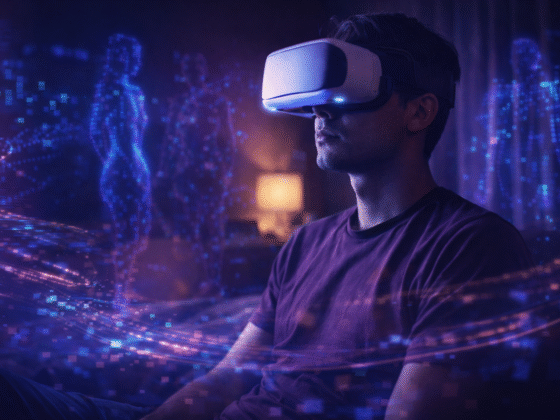
As digital intimacy evolves, one of the most exciting frontiers in sex tech is the integration of XR/VR sex tech into wellness, therapy, and education. In 2026, this goes far beyond adult content—it’s about immersive sexual self-discovery, relationship enhancement, and therapeutic intervention.
Virtual coaching platforms now use extended reality to simulate safe, interactive environments for:
- Guided solo exploration through tactile simulation
- Couples therapy modules built around conflict resolution and intimacy rebuilding
- Education on consent, communication, and pleasure through gamified experiences
This shift empowers users to work through sexual health issues privately, safely, and with clinical-grade guidance, especially when in-person consultations are inaccessible or intimidating.
One notable evolution is the VR intimacy training space, which pairs haptic feedback devices with real-time instructional environments. This enhances muscle memory, arousal mapping, and emotional readiness—turning the screen into a tool for genuine growth, not fantasy alone.
The AI Chatbot Will See You Now
Another major leap in 2026 is the widespread use of AI chatbots for sexual health—anonymous, smart, and available 24/7. These bots are now integrated into sexual wellness apps and wearables, offering everything from:
- Symptom checking (e.g., delayed orgasm, ED, low libido)
- Medication reminders for hormonal or performance therapy
- Real-time stress and libido assessments
- Access to telehealth for intimacy support and therapy referrals
The best systems combine natural language processing with medical-grade databases, providing advice that’s both accurate and empathetic. This brings ethical AI in sex tech into sharp focus: ensuring that recommendations are inclusive, free from bias, and grounded in user safety.
With rising interest in products that target erectile function and performance, integrating this kind of digital support adds a valuable layer to how users monitor and manage progress.
The Business of Pleasure: New Models, Old Myths
In the business of sex tech, innovation isn’t just product-deep—it’s changing how brands engage, sell, and sustain. In 2026, subscription-based pleasure tech is gaining traction, offering a mix of:
- Rotating device kits for exploration without long-term commitment
- Data-driven updates (e.g., firmware changes based on your usage profile)
- Curated education modules and coaching access
- Discounts on refills, accessories, and app features
This model is reshaping how consumers perceive sex tech—from one-time novelty to ongoing self-care ecosystem.
Add to that the D2C sexual wellness approach—exemplified by Bathmate’s model—and you get stronger control over quality, education, and experience. It also means fewer gatekeepers between innovation and user.
Direct relationships between brand and customer foster trust—a critical ingredient in a space where privacy, results, and support matter more than ever.
Consent, Privacy & Digital Boundaries
As sex tech grows smarter, more personalized, and more connected, the ethical dimension becomes non-negotiable.
Consumers are now demanding:
- Data security in sexual health apps
- Clarity around digital intimacy rights
- Opt-in consent for biometric tracking and cloud storage
- Transparency in how sexual behavior data is used, stored, and shared
The future must be built on privacy-first sex tech. Whether someone’s tracking libido over time or syncing devices with a partner remotely, they deserve tech that puts user agency and security at the center of the experience.
Many leading products now offer:
- Encrypted local storage of health data
- Clear audit trails for third-party access
- Optional cloud backup with per-session erasure
- Voice-controlled devices that don’t rely on external data relays
The Social Shift: Education, Inclusion, and Empowerment
Finally, what truly defines 2026 is not just technology—but attitude. Sex tech is becoming part of public health, not just private indulgence. Schools, clinics, and therapists are beginning to embrace tools that:
- Teach consent and communication
- Support sex tech for menopause or andropause
- Provide gamified sexual wellness apps for younger generations
- Help queer, disabled, and neurodiverse users find tools that truly fit
This era of cultural sensitivity in design is long overdue. It recognizes that pleasure isn’t a luxury—it’s a right, and for many, a health issue.
At Bathmate, this inclusive approach is something we’ve championed for years. Whether it’s through our HydroMax line or educational resources, we believe performance enhancement is as much about knowledge as it is about tools.
Who’s Leading the Charge? Startups Shaping the Future of Intimacy
Behind every breakthrough is a wave of bold startups reimagining what’s possible. In 2026, the sex tech startup ecosystem is booming, fueled by increased funding, evolving public perception, and a shift toward health-centered intimacy products.
Noteworthy innovations from these companies include:
- Emotion-sensing AI devices that adapt to mood, stress levels, and arousal patterns in real time
- Teledildonics platforms with low-latency partner syncing across long distances
- Hormonal monitoring wearables tailored for non-binary and menopausal users
- Subscription-based devices with modular components for experimentation without waste
These brands are not just selling products—they’re building closed-loop ecosystems where data informs product behavior, user experience, and even product development.
It’s this feedback loop that reminds us of what we’ve built at Bathmate with our HydroXtreme line: performance-backed products that respond to user needs and real-world results. The difference now is that future sex tech will learn from each session.
From Boardrooms to Bedrooms: Corporate Wellness and Sexual Health
Sexual wellness is crossing into the corporate sphere—and not just through EAP (Employee Assistance Programs). Companies in 2026 are beginning to recognize how sexual well-being affects stress, focus, mood, and even productivity.
Forward-thinking employers are integrating:
- Sexual health education tools as part of HR wellness portals
- Access to telehealth intimacy coaching
- Discounted subscriptions for sexual wellness apps and wearables
- Anonymous sexual wellness surveys that feed into broader health initiatives
The result? A growing movement for corporate wellness and sexual health, where companies treat intimacy and libido the way they treat sleep or diet: as essential components of performance and morale.
This also supports diversity and inclusion goals—acknowledging that different bodies, gender identities, and orientations require tailored solutions.
Brands like ours—already focused on circulatory health and erection support—stand to benefit by extending partnerships with therapists, HR tech providers, and clinical teams to bring sex tech into the wellness mainstream.
The Clinical Integration: Medical-Grade Sex Tech Enters Healthcare
Perhaps the most significant trend of 2026 is the integration of sex tech into mainstream healthcare systems. What began as fringe or consumer-only is now becoming FDA-cleared, prescription-supported, and even insurance-covered in some regions.
Hospitals, urologists, pelvic floor therapists, and general practitioners are beginning to prescribe or recommend:
- Wearable sexual health tech to assess hormonal, erectile, or stress-driven symptoms
- App-based intimacy tools for recovering sexual function post-surgery or trauma
- Disability-friendly innovations that aid users with mobility or neurological challenges
- Neurostimulation devices for pelvic nerve recovery or sexual function restoration
This medicalization of pleasure doesn’t reduce its significance—it validates it.
For users of our penis pump systems, this means a shift from just enhancement to medically acknowledged intervention. Pumps can become part of rehab programs for prostate surgery patients or anyone recovering from ED.
As this space evolves, expect increased collaboration between sex tech developers and healthcare providers—resulting in more clinical studies, safer products, and tools that can be integrated into health records and long-term care plans.
What Might Fade—and What Will Last?
Not every innovation will survive the hype cycle. Some technologies, like quantum intimacy analytics or voice-controlled devices, are still experimental and face ethical or adoption barriers.
But others are here to stay. Here’s what experts agree will define the next decade:
What Will Last:
- AI-driven personalization that adapts to biology, mood, and preferences
- Privacy-first design across apps, hardware, and data storage
- Sex tech for diverse needs (menopause, disability, LGBTQIA+, long-distance)
- Health-first positioning that ties intimacy to wellbeing
- Gamified, educational sexual wellness apps that shift cultural taboos
What May Fade:
- Novelty-based products with no educational or health value
- Gimmick-heavy tech without clear UX or measurable outcomes
- Tools that lack data security or ethical transparency
The future of sex tech is not about selling fantasy—it’s about building systems of care, expression, and connection. And it’s happening faster than most expected.
Final Thoughts: A New Era for Pleasure and Health
Sexual health is no longer a footnote in wellness—it’s a foundation. The innovations coming in 2026 prove that pleasure, intimacy, and data can coexist in meaningful, ethical, and empowering ways.
For brands like Bathmate, this is an exciting convergence of science, design, and user empowerment. As we continue to refine the tools we offer—from our signature pumps to expanding educational content—we’re proud to be part of a landscape where wellness isn’t one-size-fits-all. It’s personal, data-informed, and beautifully human.
Frequently Asked Questions: Sex Tech in 2026
1. What qualifies a product as “sex tech” in 2026?
Sex tech refers to any technology—hardware, software, wearable, or digital platform—designed to enhance, monitor, or educate around sexual wellness, intimacy, or reproductive health. In 2026, this includes AI-powered intimacy tools, biometric tracking wearables, sex education platforms, and teledildonic devices, among others.
2. Are sex tech devices safe to use with sensitive health conditions?
Many 2026 sex tech innovations are designed with medical-grade materials and clinical collaboration. Products intended for people recovering from surgery, dealing with erectile dysfunction, menopause, or mobility issues often undergo urological or gynecological validation. Always look for certifications, body-safe materials, and compatibility with your condition before use.
3. Is there such a thing as sex tech for couples therapy?
Yes. A growing category of sex tech in 2026 supports relationship health and intimacy through guided interaction tools, app-controlled devices for remote intimacy, and VR-based therapy modules. These tools help couples rebuild connection, improve communication, and rediscover pleasure collaboratively.
4. How does AI personalization in sex tech actually work?
AI-powered sex tech uses real-time data inputs (e.g., temperature, heart rate, pressure, duration of use) to adapt device behavior like vibration intensity or rhythm. Over time, machine learning algorithms identify patterns in user preferences, offering predictive personalization based on past usage.
5. Can sex tech track fertility or hormonal changes accurately?
Yes, many 2026 devices feature hormonal monitoring capabilities via skin sensors, temperature tracking, or saliva-based diagnostics. These are paired with apps to offer insights on fertility windows, cycle irregularities, or testosterone patterns, helping users make informed decisions about their reproductive health.
6. What are the privacy risks with connected sex tech devices?
Connected sex tech raises important questions about data privacy, especially for devices that sync with mobile apps or store biometric data. In 2026, trusted devices should offer end-to-end encryption, local data storage, and transparent consent protocols. Users should avoid products that lack clear data handling policies.
7. Are there any sex tech devices for people with disabilities?
Absolutely. Accessibility is a major focus in 2026. From voice-activated interfaces to customizable ergonomic designs and disability-friendly remote control systems, many companies now prioritize inclusivity from the ground up. Devices are also tested for ease of use with limited hand dexterity or alternative mobility needs.
8. Can sex tech improve long-distance relationships?
Yes. Teledildonics—internet-connected devices that allow partners to control each other’s stimulation from anywhere—are rapidly evolving. With low-latency syncing, partner-linked apps, and even shared VR experiences, these tools are bridging physical distance in intimate relationships like never before.
9. Are there subscription-based sex tech services, and are they worth it?
Subscription-based models are gaining popularity in 2026, offering ongoing access to device upgrades, exclusive content, AI-based performance tracking, or therapy modules. For users interested in evolving their sexual wellness over time, or those seeking education and support, subscriptions can provide added value.
10. Where is the sex tech industry headed beyond 2026?
Post-2026, expect major advancements in areas like neurostimulation for arousal modulation, hormone-responsive devices, quantum-based privacy systems, and even emotion AI that responds to mood or facial expressions. The emphasis will increasingly shift from novelty to healthcare integration and emotional connectivity.