Last Updated on 2nd February 2026 by Charlie Walsh
Maintaining your sexual health tools goes beyond convenience—it’s essential for safety, longevity, and hygiene. In this guide, you’ll discover:
- How to wash and dry your devices using safe, effective techniques.
- Why material type affects your cleaning method.
- What tools and products to avoid or rely on.
- Expert tips for safe, discreet, and long-term storage.
- A guide to avoiding infection, material degradation, and common mistakes.
By the time you finish reading, you’ll know exactly how to keep your gear in peak condition—ready when you are, safe every time.
Clean Gear, Safe Play
Let’s face it: your gear works hard. Whether it’s a Bathmate HydroXtreme or a silicone toy from your private collection, each session leaves behind potential bacteria, body fluids, and lubricant residues. If these aren’t properly cleaned, they can linger—turning pleasure into potential problems.
A quick rinse won’t cut it. That’s why experts recommend a deep but gentle cleaning routine, particularly for devices that contact sensitive areas. Warm water, mild soap, and the occasional antibacterial cleaner form the foundation of proper care.
“Hygiene is non-negotiable when it comes to sexual health tools. Clean after use. Always.”
Know Your Materials Before You Scrub
Not all sexual health gear is created equal. Cleaning techniques and tools vary significantly based on the material composition of your device. Understanding this is crucial—not just for effectiveness but also for safety.
Common Toy Materials and How to Handle Them
- Silicone, stainless steel, glass
These non-porous materials can typically withstand thorough cleaning, including boiling or using a UV sanitizer on select products. - PVC, TPE, jelly rubber
These porous materials can retain microscopic bacteria even after washing. Use sex toy cleaner or antibacterial soap, but avoid boiling. Replace if material integrity deteriorates. - Motorized or battery-operated devices
Never fully submerge. Instead, wipe with a lint-free cloth soaked in warm soapy water. A soft toothbrush can help clean ridges or crevices.
Curious if your device is beginner-friendly? The Hydro7 is a great example of a simple, non-electric pump that can be cleaned thoroughly without fuss.
Washing 101: From Quick Rinse to Deep Sanitation
While a splash of warm water might feel like enough after a quick session, it doesn’t guarantee cleanliness. You need a process.
Step-by-step for most gear:
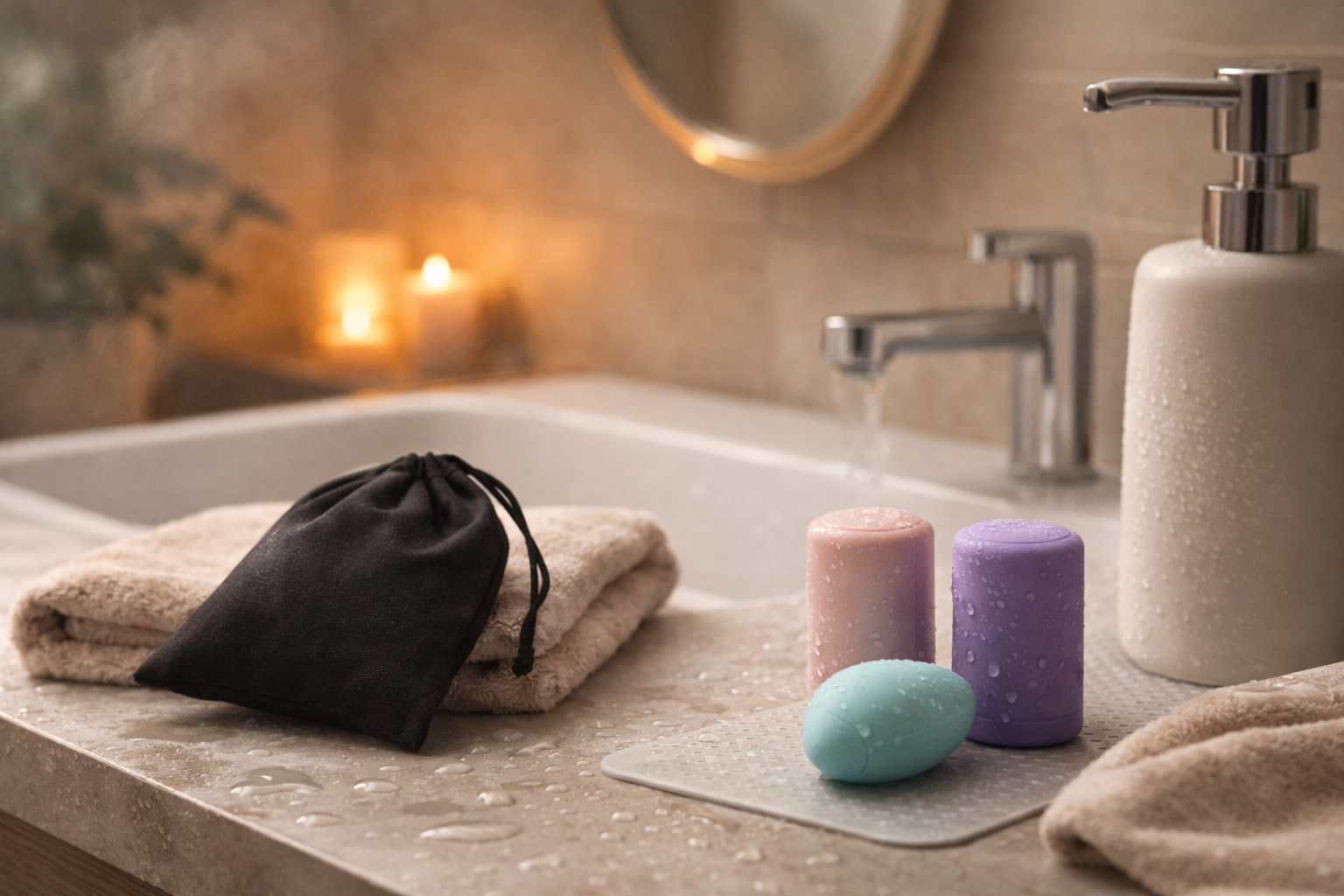
- Rinse immediately with warm water to prevent residue from drying.
- Wash with soap—preferably a gentle or mild soap—and avoid scented or colored ones that can irritate.
- For extra cleanliness, use a dedicated toy cleaner or alcohol-free antibacterial wipe.
- Air dry on a clean surface, or pat gently with a lint-free towel.
For those using HydroXtreme Kits with accessories, it’s important to individually clean each component, especially if shared with a partner.
Storing Smart: Where Cleanliness Meets Caution
Once your device is sparkling and air dried, your job isn’t done. Proper storage plays a major role in maintaining your gear’s integrity and hygiene.
Why Storage Matters
Storing your gear in the wrong environment—say, a damp drawer or under your bed—can invite germs, dust, and even chemical reactions between materials. Worse still, improper storage can degrade body-safe materials, warp delicate parts, or allow moisture to encourage pathogens.
When choosing a storage method, prioritize:
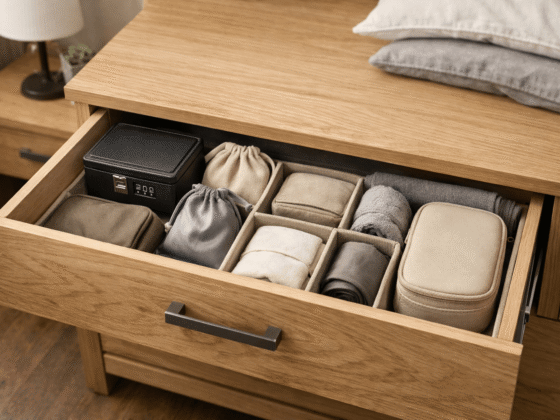
- Cool, dry, dust-free locations
- Separate compartments for each item to avoid material incompatibility
- Discreet cases to protect your privacy and the product
Many users turn to pouches or lockable storage boxes, like those found in curated kits such as the HydroXtreme UltraMale Kit, which are tailored to keep every part safe, secure, and well-organized.
Mistakes That Cost You
Even the most high-performance device can become a hazard if neglected. Here are common cleaning and storage mistakes—and how to avoid them:
- Skipping cleaning “just this once” – This promotes buildup of bacteria and increases the risk of UTIs or STIs.
- Using harsh soaps or household cleaners – These can degrade surfaces or cause irritation.
- Not removing batteries before storing – A sure way to risk corrosion or device failure.
- Storing gear still wet – Moisture invites mildew and accelerates material breakdown.
If you’re unsure whether your gear is dishwasher safe or safe to boil, don’t risk it. Always check the product manual—or opt for hand cleaning with the appropriate cleaner.
The Tools You Need for the Job
Your standard hand soap might not be the best option for delicate gear. Invest in the right supplies:
- Antibacterial soap or toy cleaner – Designed to disinfect without damaging surfaces.
- Toy wipes – Great for quick wipe downs or travel use.
- Soft toothbrush – Perfect for getting into tight spots or textured designs.
- Lint-free cloths – Avoid paper towels that can leave fibers or scratch surfaces.
Looking for more robust maintenance tools? Our Bathmate Accessories page features essentials designed specifically for our pump systems and compatible devices.
Travel-Safe, Discreet, and Always Ready
Your gear doesn’t always stay at home—so how do you keep things clean and discreet while on the move?
Portable Protection
Whether it’s a weekend getaway or a longer adventure, maintaining hygiene doesn’t stop when you leave the house. Look for travel cases with compartments that allow you to store items individually, keeping different materials from reacting against each other. A soft pouch can be ideal for silicone or stainless steel items, while a hard-shell case adds another layer of protection.
If you’re taking along a water-based device like the Hydromax Lander, ensure it’s completely dry before packing. A sealed bag can also prevent spills and keep things organized and discreet in your luggage.
When to Retire Your Gear
No product lasts forever—even those made from durable, body-safe materials. Here’s how to tell when it’s time to let go:
- Visible cracks, discoloration, or material breakdown
- Persistent odors, even after thorough cleaning
- Difficulty achieving full sanitation in textured or porous areas
- Worn-out valves, seals, or sleeves on devices like the HydroXtreme Kit
Continuing to use compromised gear invites risk—not just of diminished performance but of infection or irritation. When in doubt, replace.
Hygiene Beyond the Device
While maintaining your toys and pumps is essential, good habits go further. A complete approach includes:
- Rinsing off lube residue immediately post-use
- Avoiding cross-contamination by using condoms on shared toys
- Always washing hands before and after use
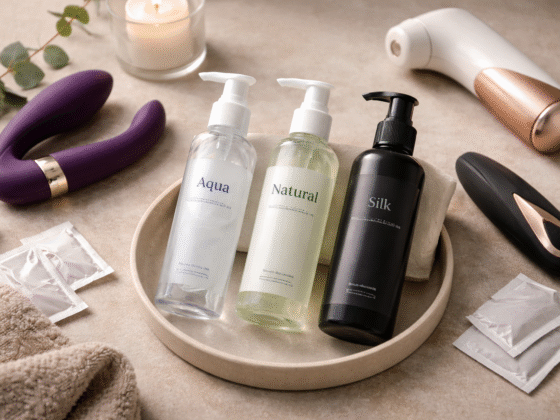
- Choosing lubricants that are compatible with your gear’s material
Whether you’re just starting out or managing a collection, building these habits around products like our Bathmate Pumps makes your entire experience safer, smoother, and longer lasting.
“The best routine is one you stick with. Consistent care isn’t just maintenance—it’s sexual health insurance.”
Final Thoughts
If you want your favorite gear to perform well for years, clean it like you mean it and store it with intention. That means knowing your materials, choosing the right cleaning supplies, and never skipping the dry-down.
When done right, maintenance isn’t a chore—it’s part of the ritual. For everything from entry-level gear like the Hydro7 to high-end systems, following these guidelines ensures you’re always ready, every time.
For more on keeping your sexual health gear at its best, visit our homepage or explore our expanding line of expert-crafted solutions designed with your wellbeing in mind.
Frequently Asked Questions
1. How often should I clean my sexual health gear?
After every use. Regular cleaning prevents bacterial buildup and maintains the integrity of your devices. If the gear hasn’t been used in a while, a quick rinse before reuse is also advised.
2. Can I use baby wipes or hand sanitizers to clean my toys or pump?
No. Baby wipes often contain oils or fragrances not safe for sex toys. Hand sanitizers can contain alcohol or other harsh chemicals that degrade materials. Always use toy-specific wipes or mild soap and warm water.
3. Is boiling safe for all sex toys?
No. Only non-porous, non-motorized toys made from materials like silicone, glass, or stainless steel can be safely boiled. Avoid boiling anything with electronic components or porous materials like TPE or PVC.
4. What’s the best way to clean toys with moving parts or intricate textures?
Use a soft-bristled toothbrush to get into crevices or textured areas. Combine with warm soapy water or a specialized toy cleaner to remove debris and bacteria without damaging the device.
5. Do I need to wear gloves while cleaning my gear?
Not necessarily, but if you have sensitive skin or are using disinfectants, wearing gloves can prevent irritation or allergic reactions.
6. How long should I let my gear dry before storing it?
At least 30–60 minutes for complete air drying. Never store gear while damp—it can cause mold growth or material degradation.
7. Can I share my sex toys with a partner?
Yes, but only under certain conditions. Use a condom on the toy, clean it thoroughly between uses, and avoid sharing porous or hard-to-sanitize gear.
8. Is it okay to keep gear in the bathroom?
It’s not ideal. Bathrooms are humid environments that promote mold, mildew, and bacteria. Choose a cool, dry place like a drawer or storage box outside of moisture-prone areas.
9. Can I use dish soap or detergent to clean my pump or toys?
Only if it’s fragrance-free, dye-free, and gentle. Harsh dish soaps can irritate sensitive areas or damage materials. Stick with mild soap or specialized cleaners when possible.
10. What should I do if I lose the cleaning instructions for my gear?
Check the manufacturer’s website for product-specific care guides. For Bathmate users, you can explore Bathmate Accessories for maintenance tools and reach out via our contact page for personalized advice.