Last Updated on 15th December 2025 by Charlie Walsh
Hormones shape almost every aspect of men’s health, from energy and mood to muscle mass and sex drive. Testosterone usually gets the spotlight, but estrogen matters too. While men need small amounts of estrogen for healthy bones, brain function, and sexual health, problems arise when levels climb too high.
That leaves many guys asking the same question: how to lower estrogen in men without relying on medication? The good news is that natural strategies – involving diet, exercise, and lifestyle – can make a real difference.
In this article, we’ll go through some common symptoms of low testosterone, and nine effective ways to reduce excess estrogen and restore a healthier hormonal balance.
Why High Estrogen Matters
When estrogen rises in men, symptoms can include fatigue, weight gain, low libido, and even breast tissue growth (gynecomastia). Left unchecked, hormonal imbalance may also affect fertility and cardiovascular health [1]. The signs often overlap with other issues. For example, low energy and reduced sex drive can also indicate testosterone deficiency.
That being said, high estrogen doesn’t mean something is “wrong” with your masculinity – it simply means your hormonal system is out of balance. And since hormones regulate each other, bringing one back in line often improves several areas of health at once.
9 Natural Ways to Lower Estrogen in Men
While medical treatment is sometimes necessary, many men see improvement through practical lifestyle changes. Here’s where to start.
1. Maintain a Healthy Weight
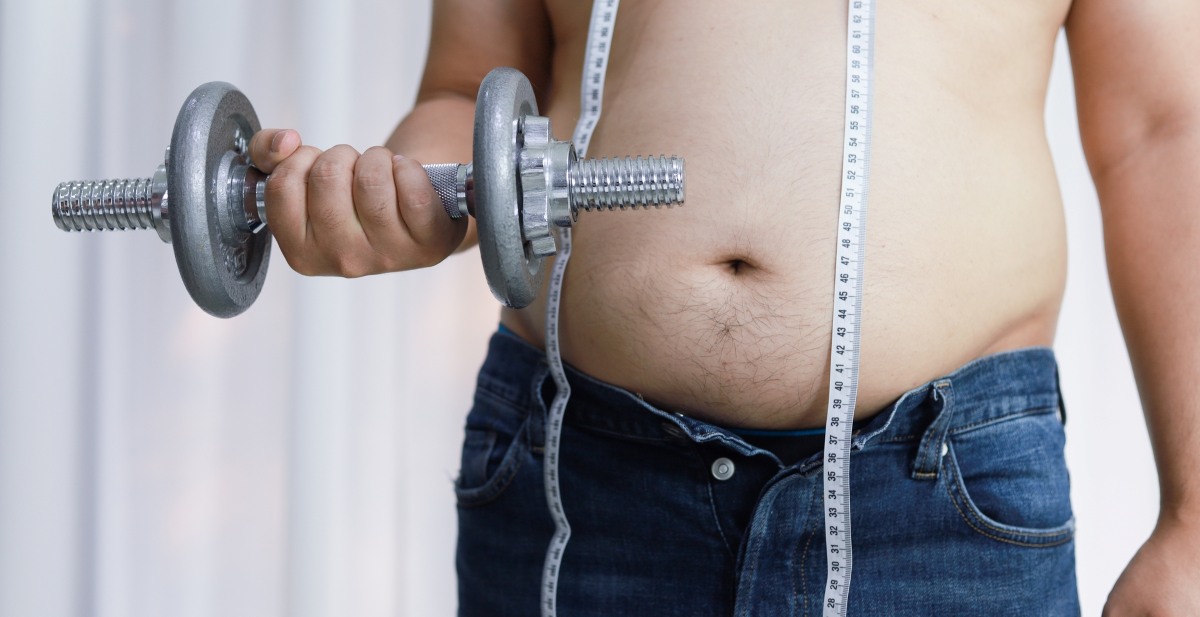
Fat tissue contains an enzyme called aromatase, which converts testosterone into estrogen. The higher your body fat, the more conversion takes place. By losing excess weight – especially around the midsection – you can help reduce estrogen production and restore a healthier testosterone-to-estrogen ratio.
Even small changes matter. Research shows that losing as little as 5–10% of body weight can significantly improve hormone levels. The key isn’t crash dieting but building a long-term routine of balanced eating and regular activity.
2. Exercise Regularly
Strength training and cardiovascular exercise both improve hormone balance. Lifting weights boosts testosterone production, while cardio supports circulation and overall metabolic health. Even three to four sessions a week can make a noticeable difference in how your body regulates hormones.
For best results, mix both resistance training and aerobic exercise. Short, intense workouts like HIIT (high-intensity interval training) may also reduce fat mass more efficiently, which further lowers estrogen levels.
3. Adjust Your Diet
Certain foods naturally support lower estrogen levels. Cruciferous vegetables like broccoli, cauliflower, and Brussels sprouts contain compounds that help the body metabolize estrogen more effectively. Fiber-rich foods also aid in clearing excess estrogen through digestion.
Healthy fats – from sources like olive oil, nuts, and avocados – support testosterone production and reduce inflammation. On the flip side, processed foods high in sugar and trans fats promote weight gain and hormone imbalance.
4. Limit Alcohol
The liver plays a key role in breaking down estrogen. Heavy drinking slows this process, allowing estrogen to accumulate in the bloodstream. Cutting back – or eliminating alcohol altogether – is one of the simplest ways to support hormone balance.
Moderation is the rule here. Having the occasional drink won’t wreck your hormones, but if you regularly exceed two drinks a day, it may be time to reconsider.
5. Manage Stress
Chronic stress increases cortisol, which disrupts the balance of other hormones, including testosterone and estrogen. Stress also encourages unhealthy coping habits, like overeating or drinking, which further impact hormones.
Stress management doesn’t have to mean meditation retreats or hours of yoga. Even simple habits – like five minutes of deep breathing, a quick walk outside, or regular breaks from screens – can lower cortisol and improve hormonal balance over time.
6. Improve Sleep Quality
Poor sleep throws hormone regulation off track. Men who consistently get less than seven hours per night often experience higher estrogen and lower testosterone. Prioritizing sleep hygiene – like sticking to a regular bedtime, keeping your bedroom dark, and avoiding late-night screen time – can improve balance naturally.
Quality matters as much as quantity. Deep, restorative sleep supports the body’s ability to produce testosterone and metabolize estrogen effectively.
7. Support Liver Health

Since the liver helps metabolize estrogen, keeping it healthy is vital. That means avoiding excessive alcohol, staying hydrated, and focusing on nutrient-rich foods. Leafy greens, citrus fruits, and foods rich in antioxidants support detoxification pathways.
Some men look to supplements like milk thistle or dandelion root for extra support, though diet and lifestyle changes remain the foundation of liver health.
8. Watch Environmental Exposures
Everyday products can contain chemicals that mimic estrogen in the body, often called xenoestrogens. Plastics, pesticides, and certain personal care products are common sources. Choosing BPA-free containers, washing produce thoroughly, and opting for natural grooming products may reduce unnecessary exposure.
This step often flies under the radar, but limiting chemical exposure can be a quiet game changer in long-term hormone health.
9. Consider Natural Supplements
Some supplements show potential in supporting lower estrogen levels. Zinc, magnesium, and vitamin D all play roles in testosterone production and balance. Herbs like ashwagandha and maca root are sometimes used as part of broader hormone-supporting strategies, though evidence is mixed.
Supplements shouldn’t replace lifestyle changes but may provide an extra layer of support. As with any supplement, it’s best to discuss options with a healthcare professional before starting.
How Long Does It Take to See Results?
The timeline varies. Some men notice improvements in energy and libido within weeks of making lifestyle changes. For others, especially those with higher body fat or chronic stress, it may take several months of consistent effort.
Think of hormone balance as a long-term project, not a quick fix. The more consistently you apply changes – in exercise, nutrition, and daily habits – the better the results.
When Natural Approaches Aren’t Enough
Not every case of high estrogen can be managed naturally. If symptoms persist or worsen despite lifestyle changes, medical evaluation is the next step. Doctors may order blood tests to confirm hormone levels and recommend treatments such as aromatase inhibitors or testosterone therapy.
It’s also worth noting that some underlying health conditions, including liver disease or certain tumors, can drive estrogen levels higher. These require targeted medical care, not just lifestyle adjustment.
Confidence, Hormones, and Everyday Life
Beyond the physical effects, hormone imbalances can hit a man’s confidence hard. Changes like breast tissue development, weight gain, or reduced sexual performance often affect how men see themselves and interact with partners. This emotional impact can be just as challenging as the biological one.
At Bathmate, we’ve seen how men’s journeys often include both health and confidence-building – the two aren’t mutually exclusive. Just take a look at some of our verified success stories that show how consistent changes – from fitness routines to using our penis-enhancing tools – can transform both body and mindset. Hormone balance is just one piece of that bigger picture.
Final Thoughts from Bathmate
If you’re wondering how to lower estrogen in men, the answer often starts with small, sustainable changes. Exercise, nutrition, stress management, and quality sleep all play vital roles in restoring balance.
We at Bathmate encourage men to be proactive, paying attention to both physical signs and emotional well-being. While natural strategies are powerful, don’t hesitate to seek professional guidance if symptoms continue. By combining practical lifestyle adjustments with medical support when necessary, you can keep hormones in check and feel more confident in every aspect of life.
References
[1] Harvard Health Publishing. “Estrogen in Men: Good, Bad, or Both?” [2] National Institute of Diabetes and Digestive and Kidney Diseases (NIDDK). “Hormonal Health in Men.”