Last Updated on 17th December 2025 by Charlie Walsh
Chlamydia isn’t exactly a subject most men bring up over a pint with friends, but it’s a conversation worth having. It’s one of the most common sexually transmitted infections (STIs) in the world, and although it’s treatable, the problem lies in how quietly it develops. Many men don’t experience obvious warning signs, and that silence allows the infection to persist longer than it should. If you’re aware of the early symptoms and the risks of ignoring them, you can take control of your sexual health before complications develop.
What Chlamydia Actually Is
Chlamydia is caused by a bacterium known as Chlamydia trachomatis. It spreads through vaginal, anal, or oral sex when protection isn’t used. The bacteria typically target the urethra in men, though the infection can also appear in the rectum and throat depending on the type of contact [1].
The infection’s reputation as a “silent” STI comes from the fact that roughly half of infected men don’t notice any obvious problems [2]. When symptoms do appear, they may be mild and easy to dismiss as a minor irritation. This is why healthcare professionals continually stress the importance of regular STI screening for sexually active men.
The Early Chlamydia Symptoms in Men
The first signs of chlamydia are often subtle. Still, they can offer valuable clues that it’s time to get checked.
Pain or Burning During Urination
Discomfort while urinating is one of the earliest reported symptoms. It usually feels like a stinging or burning sensation each time you pass urine. Some men mistake this for a urinary tract infection, but if you’re sexually active, an STI test is a wise step.
Unusual Penile Discharge
Discharge from the penis – typically white, cloudy, or yellowish – is a clear indicator that something isn’t right. While the volume may be small, it’s a hallmark sign of chlamydia and shouldn’t be ignored.
Itching or Irritation Around the Urethra
Men often notice a tingling or itchy sensation at the tip of the penis. This irritation may come and go, which can make it tempting to dismiss, but persistent discomfort is a red flag.
Pain or Swelling in the Testicles
In some cases, the infection moves beyond the urethra. Men may experience pain or swelling in one or both testicles, often linked to inflammation in the epididymis – the tube that stores and carries sperm. At this stage, seeking treatment becomes urgent.
Rectal or Throat Symptoms
Depending on how the infection was transmitted, some men notice rectal pain, discharge, or bleeding, while others develop sore throats. These symptoms aren’t always immediately linked to chlamydia, which again highlights the importance of professional testing.
Why Symptoms Can Be Tricky
The challenge with chlamydia is that the majority of infected men either don’t experience symptoms or dismiss them as minor irritation. Because early signs are often mistaken for bladder infections, fatigue, or even dehydration, men may delay testing. That delay allows the bacteria to spread, leading to complications like epididymitis (inflammation of the testicular tubes) or, in rare cases, infertility.
How Chlamydia Differs From Other STIs
Several STIs share overlapping symptoms. For instance, gonorrhea and chlamydia both involve discharge and pain when urinating, which can make them difficult to tell apart without lab testing. That’s why doctors usually test for both infections at once.
If you want to understand the differences, our guide on the most common symptoms of gonorrhea breaks down the signs in more detail.
What Doctors Say About Testing and Treatment
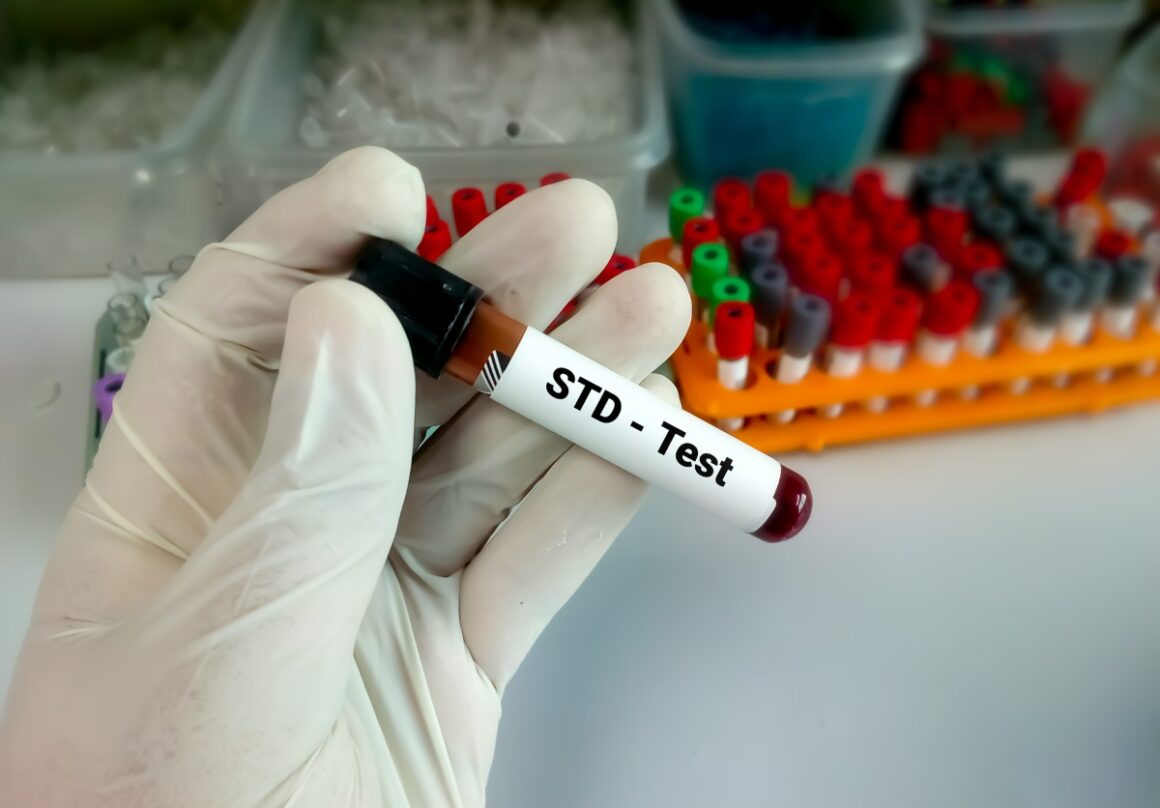
Medical professionals emphasize that chlamydia is both common and treatable. A simple urine test or swab can confirm whether you’re infected, and antibiotics typically clear it within a week or two [1].
Doctors also stress that untreated chlamydia poses real risks. Besides fertility issues, men can develop reactive arthritis, a condition causing joint pain and swelling. For this reason, most clinics recommend screening at least once a year if you’re sexually active, or more often if you have multiple partners.
Busting Common Myths About Chlamydia
Because chlamydia is so widespread, myths surround it. Clearing those up helps men take the infection more seriously.
Myth 1: You’ll Always Know If You’re Infected
The truth is many men feel fine while carrying chlamydia. Lack of symptoms doesn’t mean you’re in the clear, which is why testing is essential.
Myth 2: Only Promiscuous Men Get Chlamydia
Chlamydia doesn’t discriminate. Even one unprotected sexual encounter can transmit the infection.
Myth 3: Once Treated, You’re Immune
Unfortunately, that’s not the case. Treatment clears the infection, but reinfection is possible if you’re exposed again.
Lifestyle and Confidence Considerations
Beyond the medical concerns, sexual health has a big impact on confidence. Living with an untreated STI can create anxiety, reduce intimacy, and even affect performance in the bedroom. That’s why being proactive about your health isn’t only about physical well-being – it’s about peace of mind. At Bathmate, we often discuss body confidence in the context of modern approaches to male enhancement, but confidence really starts with knowing you’re healthy and protected.
Preventing Chlamydia: Practical Steps
While no prevention method is 100 percent effective, several strategies significantly lower the risk of infection:
Use Protection Consistently
Condoms remain one of the most effective ways to prevent chlamydia transmission. They provide a physical barrier that blocks the bacteria.
Regular Screening
If you’re sexually active with new or multiple partners, regular STI testing is a sensible choice. Clinics often provide confidential and affordable services.
Honest Communication
Talking openly with partners about STI status may feel awkward, but it reduces risk for everyone involved.
Avoiding Assumptions
Don’t assume someone is “safe” because they don’t have symptoms. As we’ve seen, chlamydia can exist without noticeable signs.
When to Seek Treatment
If you notice any early chlamydia symptoms in men – painful urination, discharge, or testicular discomfort – or if a partner suggests you may have been exposed, the best move is immediate testing. Clinics typically provide fast results, and once you begin antibiotics, the infection clears quickly.
Final Thoughts from Bathmate
We at Bathmate believe men’s health conversations should be straightforward and stigma-free. Chlamydia is common, and getting tested isn’t a sign of weakness – it’s a step toward protecting your health, your confidence, and your relationships. By learning the signs, separating fact from myth, and taking proactive steps, you’ll be better equipped to handle your sexual health with confidence and clarity.
References
[1] Mayo Clinic. “Painful Ejaculation – Causes.” [2] National Library of Medicine. “Dysorgasmia in Men: Diagnosis and Management.”