Last Updated on 6th February 2026 by Charlie Walsh
This article explores how immersive, virtual reality pornography is reshaping male sexuality in the 21st century. It unpacks:
- The psychological impact of virtual reality porn (VR porn), including how dopamine response and arousal intensity are heightened through immersive experiences.
- How VR headsets and point‑of‑view experiences are creating an illusion of intimacy previously unmatched by traditional porn.
- The emerging cultural shifts brought on by this technology—like cybersexuality, emotional connection desire, and shifting pornographic norms.
- The darker sides, such as addiction, distorted expectations, and the blurring of fantasy and reality.
- How men are now re-evaluating what real-life sexual performance and connection mean in a world increasingly influenced by digital simulations.
- And why, in the middle of all this, products designed to build real-world confidence—like Bathmate’s range of penis pumps—are taking on renewed relevance.
The Seduction of Immersion: A New Age in Pornography
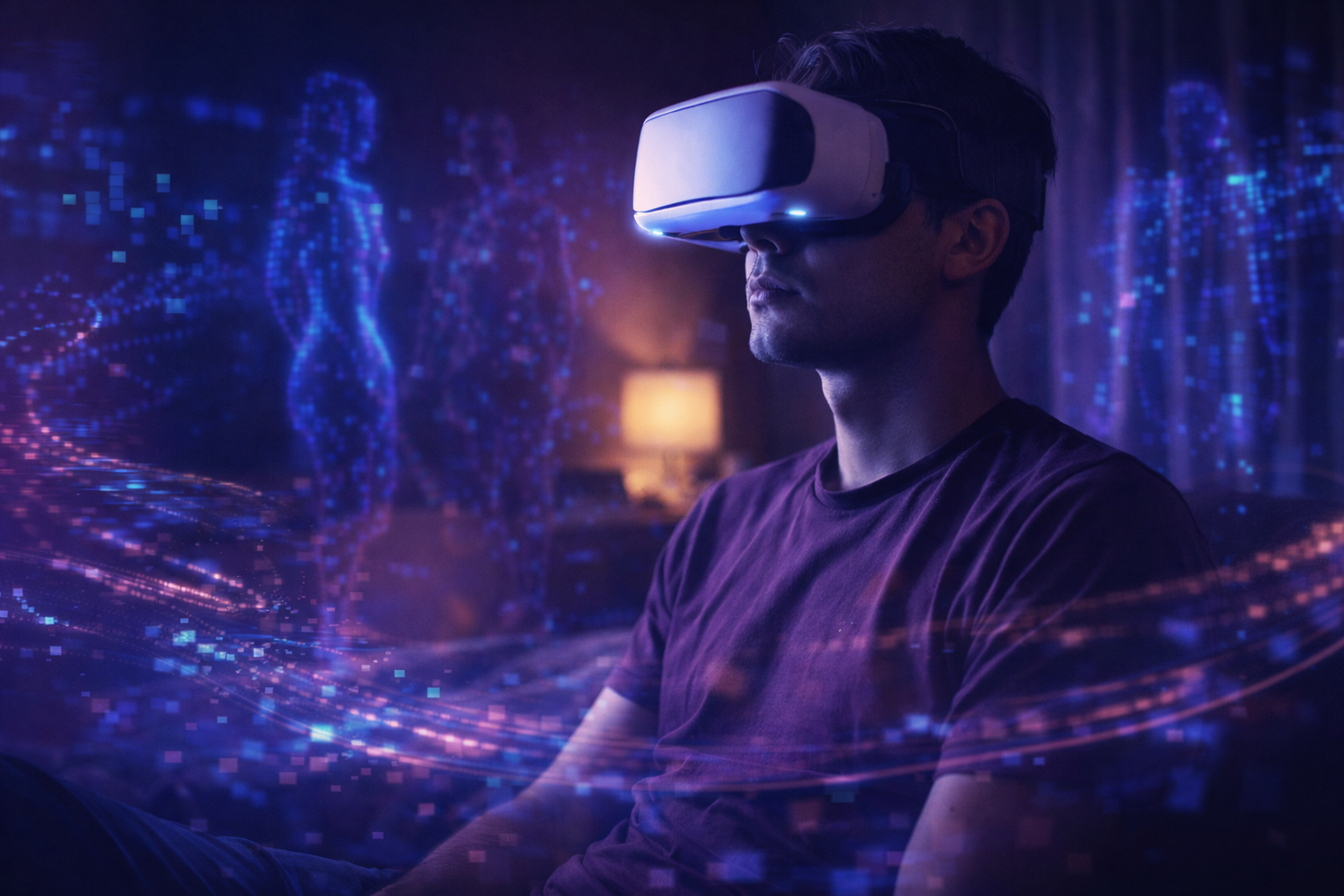
The rise of virtual reality has not just changed how we watch porn—it has redefined the very experience of sexuality. No longer passive voyeurs, users are active participants in curated erotic worlds, thanks to 360‑degree perspectives, lifelike soundscapes, and responsive, interactive technologies. This isn’t just video—it’s presence. It’s a form of affective simulation that triggers the body and brain to react as if it were truly happening.
“The power of virtual reality lies in its ability to fool the brain into believing it’s there. And when it comes to sex, that illusion is more profound than most realize.”
This level of sensory engagement leads to heightened arousal intensity, pushing the user deeper into the fantasy. The addition of POV experiences makes the user feel as though they are not watching but experiencing the interaction—further blurring lines between physical and digital desire.
From Dopamine to Detachment: Inside the VR Brain
The scientific community is now turning its gaze toward what this means neurologically. VR porn stimulates dopamine surges far beyond those triggered by static images or standard video. While this can be exhilarating, it may also disrupt the natural reward system.
Where traditional pornography already raises concerns about desensitization, VR pornography deepens the potential for compulsive use. The constant novelty, paired with hyperrealistic visuals, can train the brain to expect more stimulation than any real-world encounter could provide. This is where the concept of erotic plasticity—the brain’s adaptability to different sexual stimuli—becomes both fascinating and fraught.
And with increased reliance on immersive sexual satisfaction, many men are experiencing a growing dissonance when it comes to real-life intimacy.
Digital Lovers, Real Consequences
In therapy rooms and relationship counseling offices, new patterns are emerging. Partners often express concerns about emotional distance, reduced sexual drive, or even a sense of betrayal when one engages regularly with VR porn. These dynamics echo fidelity concerns, particularly as some users begin to favor digital intimacy over physical connection.
There’s also a growing mismatch between expectation and reality. As performance anxiety rises and real-life sexual situations feel less “perfect” or “responsive” than their virtual counterparts, confidence can decline. For some, integrating a tool like the HydroXtreme Pump has helped restore a sense of physical control and performance enhancement, bridging the gap between digital arousal and physical expression.
The Phantom of Intimacy
Despite its name, VR porn isn’t only about sex—it’s about simulated emotional connection. Developers are investing heavily in avatars and scripts that offer empathy, responsiveness, and even simulated affection. In some instances, users report a deeper bond with virtual partners than with real ones, especially when suffering from social anxiety or past intimacy issues.
This illusion of closeness, powered by oxytocin and intimacy responses, is where the technology begins to transcend erotic entertainment and enter psychological dependency. It raises ethical and emotional questions: What does it mean when digital lovers start to feel more satisfying than human ones? What happens when intimacy is rewritten as code?
Men are being shaped by these questions—emotionally, sexually, even socially. While Bathmate’s accessories focus on tangible, physical improvement and pleasure, the digital world continues to shape new definitions of what intimacy and satisfaction look and feel like.
The Rise of Teledildonics: From Fantasy to Feedback
As virtual reality experiences become more advanced, so too does the hardware designed to feel real. Teledildonics, or haptic sex technology, allows users to sync physical sensations with visual VR content. It’s no longer just about watching—it’s about interacting. Through responsive devices, users can experience pressure, rhythm, and temperature that mirrors the on-screen activity.
This innovation pushes immersive experiences to a level of intimacy once unimaginable. It’s a bridge between tactile and digital, creating a feedback loop of stimulation that merges presence and immersion with physical response. It also deepens the brain’s illusion of “being there,” pulling users further into the virtual realm.
Such interactivity introduces new implications for male sexuality. When the tech responds exactly as expected, it can reinforce expectations of sexual performance and submission not often reflected in real-world relationships. Over time, this may contribute to distorted sexual expectations, especially in younger users who explore intimacy digitally before physically.
Beyond the Headset: AI, Customization, and Intimacy on Demand
The evolution of AI-enhanced porn experiences has taken personalization to another level. Algorithms now adjust dialogue, body language, and scenarios in real time, catering to each user’s preferences and behaviors. In short, your ideal partner can be generated—and trained—to satisfy your exact needs.
Platforms like VRPorn.com and SexLikeReal are already leading this trend, providing hyper-customizable content paired with 360-degree perspectives and ultra-HD rendering. With AI smoothing the edges of interaction, many men are reporting stronger attachments to these fabricated lovers—sometimes even over real partners.
This shift raises serious questions about cybersexuality—the way digital interaction redefines sexual identity and behavior. If desire is fulfilled on demand, without challenge, vulnerability, or compromise, how does this reshape the emotional grit needed for physical relationships?
Tools like the Hydro7, which support real-world confidence and physiological function, become increasingly essential in an age when the bar for fantasy is always rising, yet reality is where human connection must ultimately live.
Sex Without Strings: Escaping Vulnerability, or Avoiding Growth?
As the virtual experience becomes more controllable and instantly gratifying, it also becomes easier to avoid the discomfort of real intimacy—miscommunications, emotional messiness, performance worries. In this regard, VR intimacy can serve as an escape from vulnerability rather than a supplement to it.
This behavior has given rise to concerns among sex therapists and relationship professionals. From empathy erosion to emotional disconnection, the psychological consequences of prolonged engagement with VR sex are beginning to surface. As partners feel more like competitors than companions, intimacy issues and relationship impacts are growing.
Yet these same experts argue that the answer isn’t fear or abstinence—but balance. Using tools like the HydroXtreme Kit or the HydroXtreme UltraMale Kit, men can complement their sexual health journey with products that encourage body confidence and physical presence—not just digital satisfaction.
The Culture Shift: Porn Norms, Shame, and Ethical Ambiguity
Traditionally, porn was already viewed as a moral gray zone. But VR’s realism has blurred ethical boundaries even further. Is it cheating if your virtual partner talks to you? If you can feel them? If they look like someone you know?
There is no cultural consensus yet, but one thing is certain: the pornographic norms of the past no longer apply. This ambiguity creates tension between generations, between partners, and even within individuals as they navigate the friction between what feels real and what is real.
“We’re no longer just watching. We’re participating. And that participation changes everything—especially how we feel about ourselves, our partners, and our desires.”
As we continue to explore this convergence of tech, sex, and identity, the final part of this article will look at how digital intimacy, body image, and performance pressure are impacting men’s real-world sexual well-being—and how brands like Bathmate are helping to bring the focus back to physical empowerment and connection.
The Body in the Mirror: VR, Performance Anxiety, and Physical Disconnect
As virtual lovers become increasingly perfect—visually flawless, endlessly responsive, and never judgmental—a new standard is being set. For many men, this isn’t motivational. It’s paralyzing.
The hyper-realism of virtual sex contributes to a subtle but steady erosion of confidence. In the digital world, there’s no awkwardness. No physical limitations. No need to worry about stamina, size, or partner feedback. But in the real world? Those concerns remain—and may even worsen.
This is where performance anxiety begins to manifest. Men, particularly younger ones, are reporting growing insecurities around their ability to perform sexually without the aid of fantasy. Comparisons with avatars and actors can quickly lead to body image pressure, with some even avoiding real-world intimacy out of fear of not measuring up.
For many, the answer lies not in retreating further into the screen, but in reclaiming physical confidence. Tools like the Hydromax are specifically designed to improve blood flow, stamina, and erection quality—giving men back the sense of control and ability that can erode under digital overexposure.
Fetishization and Sexual Flexibility in a Hyper-Curated World
The endless availability of niche content in VR porn also fuels what researchers call fetish and deviation normalization. In an environment where any fantasy can be made real, the thresholds of desire shift quickly. What was once taboo becomes expected. What was once exciting may become dull.
This process, linked to the concept of erotic plasticity, isn’t inherently negative—it can lead to sexual self-discovery and liberation. But without grounding in mutual connection and consent, it can also spiral into compulsive novelty-seeking and emotional detachment.
The human mind thrives on variety, but it also needs stability. That’s why many experts advocate for integrating fantasy with healthy real-life sexual habits. Whether through mindfulness, open communication, or enhancement tools like Bathmate’s penis pump collections, the goal should be balance—not escape.
Real Men, Real Sex: Rebuilding Sexual Identity in a Digital Era
The most transformative shift VR has sparked may not be technological—but existential. With virtual intimacy easily accessible, men are redefining what it means to be sexually fulfilled. This leads to important questions:
- Is satisfaction just about orgasm, or connection?
- Is performance about impressing someone—or enjoying someone?
- Can digital desire co-exist with human closeness?
For many men, the answer lies in returning to the body. Real sex is tactile, unpredictable, and imperfect—and that’s what makes it meaningful. Brands like Bathmate are part of this conversation not just because of what they sell, but because of what they represent: a commitment to real-world, personal sexual health.
Whether through HydroXtreme, Hydro7, or curated accessories, these tools aren’t just for enhancement. They’re for empowerment. For confidence. For making sure that as technology advances, we don’t lose our grip on the most human form of connection—touch.
Final Thoughts: The Human Pulse Behind the Pixels
In the end, the evolution of virtual sexuality isn’t inherently bad or good. Like all technological revolutions, it carries the potential for both liberation and limitation. What matters is how we engage with it.
As men explore new frontiers in digital intimacy, they must also remember their physicality—not just as a source of sexual performance, but as a pathway to confidence, connection, and meaning.
The answer isn’t to abandon the virtual. It’s to stay rooted in the real.
And maybe, just maybe, the future of male sexuality lies not in choosing between the two—but in integrating them with awareness, balance, and purpose.
Frequently Asked Questions: VR Porn & Its Impact on Male Sexuality
1. Is VR porn more addictive than traditional porn?
Yes, research suggests VR porn may be more addictive due to its immersive experience and the brain’s heightened dopamine response. The realistic stimulation can trigger stronger reward feedback loops, making it harder to disengage over time compared to traditional 2D content.
2. How early exposure to VR porn could affect teenage or young adult men?
Early exposure may shape unrealistic expectations around intimacy and sexual performance. As developing minds are more impressionable, VR porn could influence sexual identity, fetish development, or contribute to future difficulties with real-life relationships and emotional connection.
3. Can VR porn cause physical sexual dysfunction?
While VR porn doesn’t directly cause dysfunction, excessive use—especially when preferred over real-life intimacy—can contribute to porn-induced erectile dysfunction (PIED) or reduced libido in physical relationships. This often relates to performance anxiety and reliance on hyperstimulated arousal.
4. How does VR porn affect monogamous relationships?
In monogamous relationships, VR porn may create tension if one partner views it as a form of emotional cheating or feels displaced by a virtual experience. It can also cause trust issues, particularly if usage is secretive or compulsive.
5. Are there ethical concerns related to VR porn content?
Yes. As technology evolves, so do concerns around deepfake simulations, consent, and realism-based objectification. Simulated scenarios that mimic real people or cross moral boundaries can spark debate on digital ethics in sexual content.
6. Does VR porn affect emotional bonding with a real partner?
Prolonged use can desensitize emotional responses, especially if the user begins to prefer the predictability and ease of virtual interactions. This can weaken oxytocin bonding, lessen empathy, and reduce motivation to pursue genuine intimacy.
7. How does VR porn influence sexual preference or orientation?
Through exposure to a wide array of content and scenarios, VR porn may accelerate the discovery of new interests or fetishes. This flexibility aligns with the concept of erotic plasticity, though it can also complicate one’s understanding of real-life preferences.
8. Is VR porn being used in sex therapy?
Yes, in limited and experimental ways. Some therapists are using affective simulation tools to help clients explore fantasies safely, manage sexual trauma, or gradually overcome intimacy issues. However, it’s still a developing area and not widely adopted.
9. Can VR porn help individuals with social anxiety or disabilities?
Potentially. For individuals who struggle with physical intimacy or social interaction, VR porn can provide a sense of connection or expression. However, reliance on digital intimacy may also prevent progress in building real-world confidence or relationships.
10. Are there healthy ways to integrate VR porn into a relationship?Yes. Couples can use VR experiences to explore fantasies together, spark conversation, or complement their sex life—especially with open communication and boundaries. Pairing it with physical intimacy or tools like Bathmate’s sexual wellness products can help bridge the gap between virtual arousal and real-world pleasure.