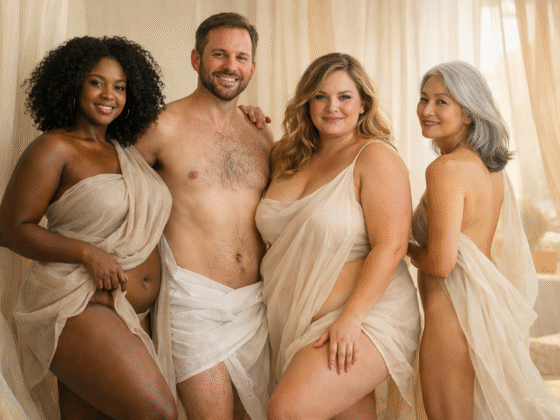
Asexuality is a valid sexual orientation characterized by little or no sexual attraction toward others. However, that simple definition barely scratches the surface. The asexual spectrum (ace-spec) includes identities such as demisexual and graysexual, and it intersects with different romantic orientations like heteroromantic, biromantic, or aromantic. Many asexual individuals experience romantic attraction, emotional connection, and intimacy without sex, while others prefer deeply meaningful platonic relationships.
Understanding asexuality also requires separating common misconceptions from reality. For example, asexuality is not the same as celibacy, nor does it mean someone cannot have relationships or emotional intimacy. Some people within the ace community may be sex-neutral, sex-repulsed, or even sex-favorable asexuals.
For men navigating modern relationships, learning how sexual identity, attraction, and intimacy vary across the sexual orientation spectrum can improve empathy, communication, and relationship expectations. Whether you’re exploring your own identity or simply aiming to understand others better, gaining insight into the ace spectrum helps create healthier conversations about desire, boundaries, and emotional connection.
A Changing Conversation About Attraction
For decades, society has treated sexual attraction as something universal—something everyone experiences in roughly the same way. Movies, advertisements, and even casual conversations reinforce the idea that sexual desire is a fundamental part of being human.
But reality is far more complex.
Across the sexual orientation spectrum, people experience attraction in vastly different ways. One of the most commonly misunderstood identities within this spectrum is asexuality.
In simple terms:
Asexuality is a sexual orientation where someone experiences little or no sexual attraction toward others.
However, that definition alone doesn’t capture the full range of experiences that exist within the asexual umbrella.
Some people may rarely feel attraction. Others may only experience it under specific circumstances. Some may still desire romantic companionship while preferring intimacy without sex.
Understanding these nuances is essential, especially for men navigating modern relationships where communication, consent, and emotional awareness play increasingly important roles.
What Does It Mean to Be Asexual?
When people first encounter the concept of being asexual, they often assume it simply means someone isn’t interested in sex at all. In reality, sexual attraction and sexual behavior are not the same thing.
This is where many misunderstandings begin.
Sexual Attraction vs Sexual Desire
A key distinction in conversations about asexuality is the difference between:
- Sexual attraction – feeling drawn to someone sexually
- Libido (sexual desire) – the physical urge for sexual activity
Someone may have a libido but still not experience sexual attraction toward other people.
This difference explains why some individuals within the ace spectrum may still engage in relationships, dating, or even sexual activity.
Asexuality vs Celibacy
Another common misconception is confusing asexuality with celibacy.
| Asexuality | Celibacy |
|---|---|
| A sexual orientation | A personal choice |
| Defined by lack of sexual attraction | Defined by abstaining from sex |
| Part of a person’s identity | A behavioral decision |
Celibacy is something a person chooses.
Asexuality describes how someone naturally experiences attraction.
Recognizing this difference is crucial to understanding sexual diversity and avoiding harmful stereotypes.
The Asexual Spectrum (Ace-Spec)
Just like other orientations, asexuality exists on a spectrum of experiences.
The ace spectrum (ace-spec) includes identities that describe different relationships to attraction.
Common identities within the asexual umbrella
Demisexual
A demisexual person typically experiences sexual attraction only after forming a strong emotional connection with someone. Attraction does not happen immediately or based on physical appearance alone.
Graysexual (Greysexual)
Someone who identifies as graysexual or gray-ace may experience sexual attraction rarely or under very limited circumstances.
Allosexual
An allosexual person is someone who does regularly experience sexual attraction. The term helps distinguish between people on the ace spectrum and those who are not.
These distinctions help explain why asexuality explained in simple terms can sometimes miss the complexity of real experiences.
Romantic Attraction vs Sexual Attraction
Another concept that often surprises people is that romantic attraction and sexual attraction are separate experiences.
This idea is commonly described using the split attraction model.
Under this model, someone may experience:
- Romantic attraction toward a partner
- Little or no sexual attraction toward them
For example, someone might identify as:
- Heteroromantic asexual – romantically attracted to the opposite gender
- Biromantic asexual – romantically attracted to multiple genders
- Homoromantic asexual – romantically attracted to the same gender
- Panromantic asexual – romantic attraction regardless of gender
Others may identify as aromantic, meaning they experience little or no romantic attraction.
These identities exist within the broader aromantic spectrum (aro-spec).
Intimacy Without Sex
One of the biggest misconceptions about asexuality is that it prevents people from forming meaningful relationships.
In reality, many asexual individuals maintain fulfilling relationships built on:
- Emotional bonding
- Emotional intimacy
- Sensual attraction
- Aesthetic attraction
- Platonic relationships
Some people in the ace community pursue deeply committed romantic relationships without sex, while others focus on close friendships or alternative relationship structures.
These connections may prioritize:
- emotional closeness
- shared life goals
- physical affection without sexual expectations
Understanding this perspective can challenge traditional sexual norms that assume physical intimacy must always involve sex.
Asexuality and Men: Why Awareness Matters
Discussions around asexuality in men are often limited because masculinity has historically been tied to high sexual desire.
Cultural expectations frequently portray men as:
- constantly interested in sex
- driven by sexual attraction
- motivated by physical intimacy
These stereotypes make it harder for men who fall within the ace spectrum to recognize or express their identity.
Greater asexual awareness helps break down these outdated assumptions and encourages healthier conversations about:
- attraction
- consent and boundaries
- emotional connection
- relationship expectations
Understanding different forms of intimacy can also improve relationships for people who do experience sexual attraction.
For example, some men explore physical confidence and body awareness in different ways, whether through fitness, mindfulness, or personal wellness products like those available through the Bathmate store.
For others interested in exploring enhancement tools or wellness devices, the company’s full range of solutions can be found in the penis pump collection.
Understanding Bodies, Confidence, and Sexual Identity
Human sexuality is complex. Attraction, identity, and physical confidence all interact in different ways for different people.
Some men explore physical enhancement or performance tools such as the HydroXtreme Pump as part of their personal wellness routines, while others focus more on emotional or relational aspects of intimacy.
Neither path is inherently more valid than the other.
What matters is recognizing that sexual identity and sexual behavior are not always the same thing.
Someone can:
- feel strong sexual attraction
- experience occasional attraction
- experience little or no attraction
All of these experiences exist across the sexual orientation spectrum.
Signs Someone Might Be Asexual
Understanding asexuality explained in everyday terms can be challenging because there is no single experience that defines every asexual person. However, many individuals within the ace spectrum report certain patterns when reflecting on their relationship with attraction, dating, and intimacy.
These signs do not serve as a diagnostic checklist. Rather, they are common experiences that help answer the question: what does it mean to be asexual?
Common experiences reported by people on the ace spectrum
Some individuals may notice:
- Little or no sexual attraction toward others
- Difficulty relating to conversations focused heavily on sexual desire
- Feeling comfortable with romantic attraction but not sexual interest
- Preferring nonsexual intimacy like cuddling, conversation, or emotional closeness
- Experiencing attraction only after a deep emotional connection forms
Other people discover their ace identity after realizing that their feelings differ from those around them.
For example, someone might enjoy dating, companionship, or physical affection but feel disconnected from the expectation that sex must be part of every relationship.
That realization often leads people to explore the asexual spectrum and the language used within the ace community.
Different Experiences With Sex on the Ace Spectrum
A major misconception is that all asexual people feel the same way about sex. In reality, attitudes toward sexual activity vary widely.
Within the asexual umbrella, individuals often describe their comfort level using a few common categories.
Sex-repulsed
Some people feel strongly uncomfortable with sexual activity. This is often described as being sex-repulsed or sex-averse.
These individuals may prefer relationships centered around emotional bonding, companionship, or platonic relationships.
Sex-neutral
Others feel indifferent toward sexual activity. They may not seek it out, but they may not be opposed to it either.
This experience is often described as sex-neutral.
Sex-favorable
Some people within the ace spectrum may occasionally engage in sex, especially within a committed relationship.
These individuals are often referred to as sex-favorable asexuals.
The key distinction is that their sexual activity vs attraction experience is different from that of allosexual individuals.
In other words:
A person can participate in sexual activity without regularly experiencing sexual attraction.
Understanding this difference is essential when discussing asexual relationships.
Can Asexual People Fall in Love?
One of the most common questions people ask is simple:
Can asexual people fall in love?
The answer is yes.
Many individuals on the ace spectrum experience deep romantic attraction and seek meaningful partnerships.
Romantic identity labels help describe these experiences. Examples include:
- Heteroromantic – romantic attraction toward a different gender
- Homoromantic – romantic attraction toward the same gender
- Biromantic – romantic attraction toward multiple genders
- Panromantic – romantic attraction regardless of gender
These identities show how romantic orientation can exist independently from sexual orientation.
This is one reason the split attraction model has become an important concept in modern LGBTQ+ education.
It helps people understand how someone may desire love, companionship, and commitment without experiencing strong sexual attraction.
Dating Someone Who Is Asexual
For men who identify as allosexual, dating someone on the ace spectrum can initially raise questions about compatibility.
But many relationships between asexual and non-asexual partners thrive when communication is open and respectful.
Important factors in ace-inclusive relationships
Successful relationships often focus on:
- clear consent and boundaries
- honest communication about needs
- understanding different forms of intimacy
- mutual respect for each partner’s sexual identity
Some couples prioritize romantic relationships without sex, while others find compromises that work for both partners.
The key is recognizing that emotional intimacy often plays a central role in relationships involving someone on the ace spectrum.
Breaking Down Asexual Myths and Stereotypes
Despite growing asexual awareness, several myths about asexuality still persist.
These misconceptions can make it harder for people to understand themselves or feel accepted within broader society.
Myth 1: Asexual people are “broken”
One of the most harmful asexual stereotypes is the idea that something must be wrong with someone who experiences a lack of sexual attraction.
In reality, asexuality is recognized as a valid sexual orientation within the broader LGBTQIA+ community.
Myth 2: Asexual people can’t have relationships
Many people assume that romantic partnership requires sexual attraction.
But countless individuals within the ace community build fulfilling partnerships based on emotional connection, shared values, and long-term commitment.
Myth 3: Asexuality is just a phase
Some people discover their identity gradually, but that does not make it temporary.
For many individuals, identifying as asexual becomes a stable and meaningful part of their sexual identity.
Organizations like the Asexual Visibility and Education Network (AVEN) have helped promote asexual visibility and education worldwide.
Their work has played a major role in helping people understand that the sexual orientation spectrum includes far more diversity than many once believed.
Lesser-Known Identities Within the Ace Spectrum
Beyond the commonly discussed labels like demisexual and graysexual, the ace spectrum includes several more nuanced identities.
These identities help people describe specific patterns in how they experience attraction.
Micro-labels sometimes used within ace communities
- Fraysexual – attraction fades once emotional closeness develops
- Lithsexual – attraction may exist but without a desire for reciprocation
- Reciprosexual – attraction appears only after learning someone is attracted to them
- Cupiosexual – desire for sexual relationships despite little sexual attraction
- Aegosexual (autochorissexual) – disconnect between oneself and sexual attraction
Not everyone uses these labels, but they demonstrate how nuanced the ace-spec can be.
Just like any other identity category, language evolves as people seek ways to better describe their experiences.
Sexual Norms and Social Expectations
Society often assumes that everyone experiences sexual attraction in similar ways.
These expectations influence:
- dating culture
- media representation
- traditional ideas about masculinity
- relationship timelines
For example, many cultures promote the idea that men should always pursue sex or prioritize physical intimacy.
These sexual norms can make it difficult for men who fall within the ace spectrum to feel understood.
Greater inclusive sexuality education helps challenge these assumptions and encourages people to view attraction as a spectrum rather than a universal experience.
Confidence, Intimacy, and Personal Wellness
Even for men who identify as allosexual, understanding asexuality can broaden perspectives on intimacy and connection.
Physical confidence often plays a role in how men approach relationships and self-image. Some individuals explore personal wellness tools designed to enhance body awareness and sexual confidence.
For instance, devices like the Hydromax Lander or the Hydro7 pump are designed for men interested in exploring physical enhancement or improving blood flow as part of their wellness routines.
Others may prefer complete systems such as the HydroXtreme Kit, which combines multiple tools for a more comprehensive approach.
Products like these are part of a broader conversation about body confidence, masculinity, and personal exploration.
However, understanding attraction also means recognizing that not every man relates to sexuality in the same way. For some individuals on the ace spectrum, emotional closeness and intellectual connection play a far greater role than physical desire.
Asexual Visibility Is Growing
Over the last decade, awareness around asexuality has grown significantly.
Younger generations in particular are becoming more familiar with:
- the asexual pride flag
- the ace community
- discussions about sexual diversity
- the importance of recognizing different sexual orientations
Online communities, research, and advocacy groups have helped normalize conversations about identities that were rarely discussed in the past.
This shift toward greater asexual visibility is helping many people understand themselves—and each other—more clearly.
Navigating Attraction Differences in Relationships
As awareness of asexuality grows, more people are realizing that attraction is not a one-size-fits-all experience. This can raise important questions within relationships, especially when partners experience attraction differently.
For example, a relationship may include:
- one partner who is allosexual and regularly experiences sexual attraction
- one partner who identifies somewhere on the ace spectrum
These situations are sometimes called mixed-orientation relationships, and they are far more common than many people assume.
The key to making these relationships work is not forcing compatibility around traditional sexual norms, but rather creating mutual understanding.
Core principles for navigating attraction differences
Healthy relationships involving an asexual partner often prioritize:
- open communication about expectations
- clear consent and boundaries
- respect for each partner’s sexual orientation
- flexibility in defining intimacy
When both partners understand the difference between sexual attraction, romantic attraction, and emotional intimacy, it becomes easier to build a relationship that works for both people.
Emotional Intimacy Beyond Sexual Expectations
One of the most valuable lessons people can learn from the ace community is that intimacy exists in many forms.
While many relationships emphasize sexual connection, others thrive through different types of closeness.
Examples include:
- emotional bonding
- shared experiences and hobbies
- physical affection without sexual intent
- deep conversation and vulnerability
- long-term companionship
These forms of nonsexual intimacy can be just as meaningful and fulfilling as sexual intimacy.
For many people on the aromantic spectrum or asexual spectrum, relationships built around emotional closeness create a stronger foundation than relationships based purely on physical attraction.
This perspective challenges the long-standing cultural assumption that sex must be the center of every romantic relationship.
Why Understanding Asexuality Benefits Everyone
Learning about the sexual orientation spectrum isn’t just important for people who identify as asexual.
It benefits anyone navigating relationships in modern society.
Greater understanding of sexual diversity encourages people to:
- communicate more clearly about their needs
- respect differences in attraction
- avoid harmful asexual myths
- approach intimacy with empathy rather than assumptions
For men in particular, this awareness can also help break down outdated stereotypes around masculinity.
Traditional expectations often suggest that men must always pursue sexual relationships or maintain constant sexual desire. But human experiences are far more varied.
Understanding identities across the ace spectrum helps normalize the idea that attraction, desire, and intimacy can exist in many forms.
Building Healthy Conversations About Attraction
One of the most positive developments in recent years has been the growth of inclusive sexuality education.
Instead of presenting attraction as a simple binary, modern discussions increasingly recognize the complexity of human relationships.
Healthy conversations about attraction often include:
- understanding the split attraction model
- recognizing the difference between libido vs sexual attraction
- acknowledging the role of romantic orientation
- respecting individual sexual identity
These discussions make it easier for people to understand themselves and support others who may experience attraction differently.
Confidence, Self-Discovery, and Personal Exploration
For many men, confidence plays a role in how they approach relationships, attraction, and self-image.
Some individuals explore physical wellness tools as part of their journey toward body confidence and sexual health.
For example, advanced systems like the HydroXtreme UltraMale Kit are designed for men interested in performance enhancement and improved blood flow. These tools represent one side of the broader conversation around male sexual wellness.
Others may explore complementary items designed to support those tools, such as equipment available through the Bathmate accessories collection.
But confidence and identity are not solely defined by sexual performance or attraction.
For some men—particularly those exploring asexuality in men—personal growth may involve understanding that their experiences with attraction differ from mainstream expectations.
Recognizing this difference can be empowering rather than limiting.
The Role of Community and Visibility
Over the past two decades, the rise of online communities has helped expand understanding of asexual identities.
Spaces created by advocacy groups and individuals have helped people:
- connect with others who share similar experiences
- learn about different labels within the ace spectrum
- challenge outdated asexual stereotypes
- celebrate ace pride
Symbols like the asexual pride flag and discussions about the aromantic spectrum have helped bring visibility to identities that were once rarely discussed.
This growing awareness has also improved representation in media, research, and education.
Understanding the Future of Sexual Identity
The conversation around attraction continues to evolve.
As society becomes more open to discussions about sexual diversity, more people are discovering language that helps them describe their experiences.
Some individuals may identify strongly with labels like:
- demisexual
- graysexual
- aromantic
Others may simply recognize that their relationship with attraction does not follow traditional expectations.
Both experiences are valid.
The important takeaway is that sexual identity exists on a spectrum, and understanding that spectrum helps create healthier, more respectful relationships.
Final Thoughts
Human attraction is far more diverse than most people were taught growing up.
Learning about the ace spectrum, the difference between romantic and sexual attraction, and the wide variety of experiences within the LGBTQIA+ community helps expand our understanding of relationships and identity.
For men navigating modern dating and relationships, this awareness can lead to stronger communication, deeper empathy, and more fulfilling connections.
Whether someone identifies as asexual, allosexual, or somewhere else along the sexual orientation spectrum, the goal remains the same: building relationships grounded in respect, consent, and genuine emotional connection.
Understanding how attraction works for different people is not just about identity—it is about creating a culture where everyone’s experiences are acknowledged and valued.
Frequently Asked Questions About Asexuality
Below are answers to some of the most commonly asked questions related to asexuality, the ace spectrum, and sexual attraction. These questions address areas that are often misunderstood or not widely discussed when people first begin learning about the topic.
1. Can someone realize they are asexual later in life?
Yes. Many people only discover their ace identity later in life, sometimes after years of assuming their experiences were the same as everyone else’s. As awareness of the sexual orientation spectrum grows, more individuals are finding language that accurately describes how they experience sexual attraction and romantic attraction.
Self-discovery around sexual identity can happen at any age.
2. Do asexual people experience crushes?
Some do, and some don’t. A person on the asexual spectrum may experience romantic attraction, which can include crushes, emotional excitement, or the desire for a relationship.
Others who fall within the aromantic spectrum (aro-spec) may not experience romantic attraction at all. This variation highlights the difference between sexual orientation and romantic orientation.
3. Is asexuality related to hormone levels or medical issues?
No. Asexuality is not considered a medical condition or hormonal imbalance. It is a valid sexual orientation, similar to heterosexuality, bisexuality, or homosexuality.
While medical conditions can affect sexual desire, asexuality specifically refers to a lack of sexual attraction, not necessarily a lack of libido.
4. Are there different levels of attraction within the ace spectrum?
Yes. The asexual spectrum (ace-spec) includes a wide range of experiences.
Some people identify as graysexual, meaning they may feel sexual attraction very rarely. Others identify as demisexual, where attraction typically develops only after a strong emotional connection.
These variations demonstrate how attraction exists on a continuum rather than in fixed categories.
5. Can asexual people still enjoy physical affection?
Absolutely. Many people within the ace community enjoy forms of physical affection such as hugging, cuddling, holding hands, or other expressions of closeness.
These experiences may relate more to sensual attraction, emotional bonding, or nonsexual intimacy rather than sexual attraction.
6. Is asexuality the same across all cultures?
Not necessarily. While the experience of asexuality appears worldwide, cultural expectations about relationships and sexual norms can shape how people interpret and express their identity.
In cultures where sexuality is strongly tied to ideas about masculinity or adulthood, people on the ace spectrum may face more misunderstanding or pressure.
7. Are asexual people part of the LGBTQIA+ community?
Many people who identify as asexual consider themselves part of the LGBTQIA+ community, particularly because the acronym often includes the letter “A” for asexual, aromantic, and agender identities.
However, personal identification varies. Some individuals may choose not to adopt that label while still identifying within the ace spectrum.
8. Do asexual people want long-term relationships?
Many do. While some individuals prefer independence or strong platonic relationships, others pursue committed romantic partnerships.
Asexual relationships may focus more heavily on shared values, emotional intimacy, companionship, and mutual support rather than sexual activity.
9. Can someone move between identities on the ace spectrum?
For some people, their understanding of their identity evolves over time. As individuals learn more about the asexual umbrella, they may shift between labels such as graysexual, demisexual, or other identities.
This does not mean the orientation itself is unstable; rather, it reflects a deeper understanding of one’s experience with sexual attraction.
10. Why is asexual visibility important?
Greater asexual visibility helps challenge outdated asexual stereotypes and improves public understanding of the diversity within human attraction.
Awareness also helps individuals who may feel isolated realize that their experiences are shared by others and that asexuality is a valid sexual orientation within the broader spectrum of human identity.
As conversations about sexual diversity continue to expand, more people are gaining the knowledge and language needed to better understand themselves and others.