Last Updated on 20th January 2026 by Charlie Walsh
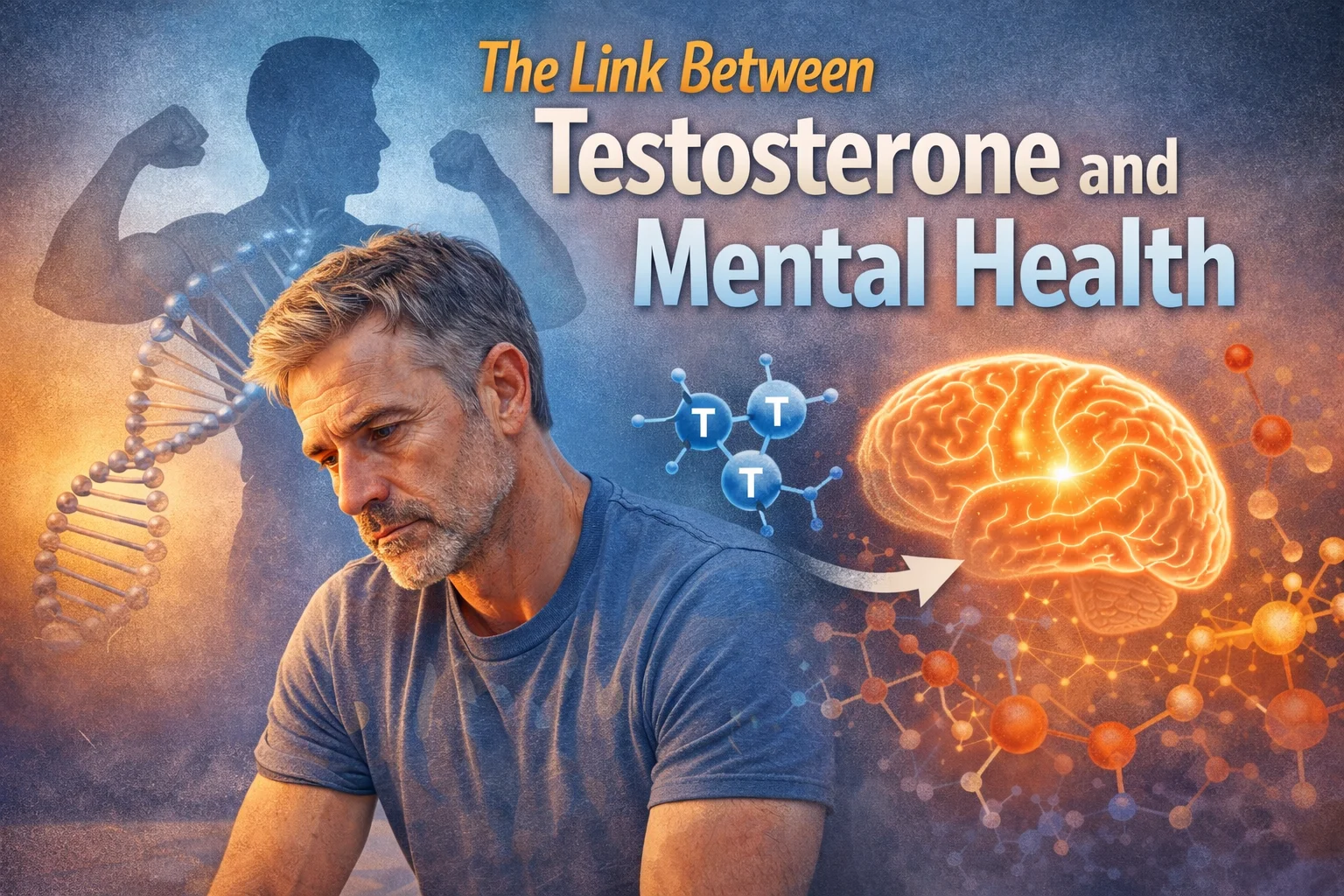
This article uncovers how testosterone—a hormone too often associated solely with physical attributes—plays a powerful, often overlooked role in men’s psychological health. You’ll learn about the neurochemical pathways testosterone influences, how low testosterone levels affect mental well-being, and what symptoms might indicate a deeper hormonal imbalance. We’ll explore the societal stigma that discourages men from seeking help, how to spot the signs of hormone-related mood disorders, and practical pathways to diagnosis and treatment, including TRT and lifestyle strategies. You’ll also discover how tools like at-home diagnostics and telemedicine are reshaping access to hormonal care. Plus, we’ll weave in real, actionable options—like natural support products available at BathmateDirect.com—to help you take back control of your mental and physical health.
Rethinking Men’s Mental Health: Beyond the Brain
When conversations about men’s mental health come up, we tend to zoom in on external stressors: work pressure, finances, relationships, or even digital overload. But what if the foundation of male emotional stability isn’t just external—but biochemical?
There’s increasing evidence that hormone imbalance, specifically low testosterone, plays a causal role in depression, low mood, brain fog, and even aggressive or withdrawn behavior. That doesn’t mean testosterone is a magic fix—but when levels drop below optimal, the mind can suffer just as much as the body.
“It’s not just about libido or muscle mass—testosterone is deeply involved in how men feel, connect, and function daily.”
Understanding Testosterone’s Role in the Brain
Testosterone isn’t just a hormone floating around for physical perks. It binds directly to testosterone receptors in the brain, impacting neurotransmitters like dopamine and serotonin—the very chemicals that shape mood, motivation, and mental clarity.
Biological Mechanisms at Play
- Dopamine regulation: Drives motivation, pleasure, and reward-seeking behavior
- Serotonin influence: Helps stabilize mood and reduce anxiety
- Cortisol balance: Testosterone counteracts the stress hormone cortisol
- HPG Axis disruption: Imbalance within the hypothalamic-pituitary-gonadal (HPG) axis can trigger mood swings and loss of vitality
When testosterone levels decline—whether from ageing, andropause, or chronic stress—these systems start misfiring. The result? Emotional turbulence that looks and feels like classic mental health disorders.
Recognizing the Symptoms: When It’s Not Just Burnout
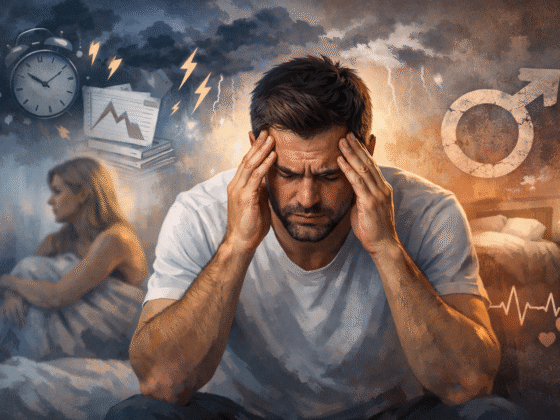
A man in his 40s feeling tired, irritable, or “just not himself” may chalk it up to life pressures. But beneath the surface, a more systemic issue could be unfolding.
Common Low Testosterone Mental Health Symptoms
- Depression and feelings of hopelessness
- Brain fog and poor concentration
- Low mood with little interest in hobbies or relationships
- Irritability or unexpected anger
- Emotional suppression and a disconnection from intimacy
- Anxiety, often without an obvious trigger
These symptoms may creep in slowly, camouflaged as everyday stress. But over time, they can spiral into dysthymia, bipolar-like mood shifts, or even suicidal ideation—especially if ignored.
If any of this sounds familiar, consider starting with an at-home testosterone test or scheduling an evaluation with an endocrinologist. The earlier the assessment, the better your odds of restoring balance.
The Stigma Around Seeking Help
For too long, men have been conditioned to “man up” rather than open up. The belief that emotional distress equals weakness not only delays treatment—it reinforces silence.
- 77% of men report experiencing mental health issues, yet 40% never speak up
- Many are misdiagnosed with depression when the underlying issue is low testosterone
- Substance use, aggression, or risk-taking often mask deeper emotional pain
This reluctance to address the problem head-on fuels the growing male mental health crisis, especially among men over 40 who are likely to experience natural testosterone decline.
The solution isn’t just better awareness—but destigmatized access to real tools. Products like the Hydromax7 Penis Pump offer not just physical benefits but a reminder that men’s health deserves intentional care—mentally, physically, hormonally.
Treatment Paths: More Than Just a Hormone Shot
So what happens if your testosterone levels are low and your mental health is on the line? You’re not stuck. While testosterone replacement therapy (TRT) is often seen as the go-to solution, it’s not a one-size-fits-all fix. Let’s break down the options—clinical, lifestyle, and complementary—and how they fit into a holistic path back to feeling like yourself again.
Testosterone Replacement Therapy (TRT): The Clinical Route
TRT involves supplementing testosterone through gels, injections, or patches. For men clinically diagnosed with hypogonadism, TRT can restore hormonal balance and significantly reduce symptoms of low mood, irritability, and depression.
What the Research Says:
- A meta-analysis of 27 trials (1,890 men) found significant reductions in depressive symptoms in those treated with testosterone.
- Another long-term study observed that men aged 45+ with low T were three times more likely to develop depression than those with normal levels.
But it’s not a silver bullet. TRT must be medically supervised, often requiring hormone panels and continuous comorbidity assessment to ensure safe outcomes. It’s also not recommended for men with certain cardiovascular or prostate conditions.
“TRT should be part of a broader strategy that includes emotional support, physical health monitoring, and lifestyle adjustments.”
Lifestyle Medicine: The Forgotten Power of Daily Choices
Before turning to prescriptions, many men overlook the profound impact of lifestyle medicine on hormone health and emotional wellbeing.
Proven T-Boosting Strategies:
- Strength training & HIIT: Elevates testosterone and reduces cortisol
- Sleep hygiene: 7–9 hours of quality sleep is essential for hormone regulation
- Balanced nutrition: Zinc, Vitamin D, and healthy fats all support T production
- Reducing alcohol & processed sugar: Both suppress testosterone synthesis
- Managing stress: Chronic stress = elevated cortisol = suppressed testosterone
Our curated range of supplements and support products are designed to amplify your hormone health journey. Whether you’re using TRT or not, creating a body environment that naturally supports testosterone is always a win.
The Role of Psychotherapy and Emotional Literacy
If you’re already seeing a therapist or considering it—don’t pause. Mental health support is still crucial, even if hormones are part of the puzzle.
Many men are dealing with layered challenges: work stress, relationship dynamics, trauma, or PTSD. A licensed therapist—particularly one familiar with male clients—can help unpack this while working alongside hormonal care.
Cognitive Behavioral Therapy (CBT) is especially effective in helping men:
- Identify emotional suppression habits
- Rewire negative thought loops
- Rebuild a sense of agency and confidence
Pairing TRT with CBT or psychotherapy may offer the best of both worlds—biological support and emotional resilience.
The Rise of Remote Access: Telemedicine and At-Home Testing
Thanks to modern healthcare tech, you no longer need to walk into a clinic to take the first step. Telemedicine platforms and at-home testosterone testing kits now make hormonal screening more accessible than ever.
This is especially helpful for:
- Men reluctant to seek help in-person due to stigma
- Those in remote or underserved areas
- Anyone who values privacy and discretion
These tools can lead to faster diagnosis, better treatment adherence, and earlier intervention before symptoms escalate.
“Silence is not strength. Reaching out is.”
Redefining Strength: Shifting the Narrative Around Male Mental Health
Modern society is waking up to the reality that stoicism isn’t strength when it leads to isolation, suppression, and suffering. The old paradigm—where a man’s worth is measured by how much he can endure in silence—isn’t just outdated, it’s dangerous.
As we’ve explored, the interplay between testosterone and mental well-being is intricate, biochemical, and deeply human. But shifting the conversation also means redefining what it means to be strong.
Masculinity Isn’t the Problem—Silence Is
The discomfort many men feel about admitting mental health struggles is often rooted in masculinity norms that equate emotional vulnerability with weakness. But expressing emotion, asking for help, or simply saying “I’m not okay” is, in reality, a far more courageous act.
Societal Pressures Men Commonly Face:
- Fear of being seen as a failure or burden
- Belief that mental health struggles are personal flaws, not biological factors
- Pressure to remain sexually virile and physically dominant, even when hormones say otherwise
We can’t talk about hormonal health without addressing emotional literacy. Learning to articulate what you’re feeling—whether that’s apathy, sadness, restlessness, or anger—is the first step toward healing.
The Role of Relationships in Hormonal and Mental Health Recovery
Whether it’s a partner, close friend, or family member, support systems play a crucial role in helping men recognize when something’s wrong and encouraging them to take action.
Partners, in particular, often spot changes before the men themselves do—withdrawal, mood changes, or decreased interest in intimacy. Encouraging your partner to seek help shouldn’t be taboo. It’s love in its most practical form.
If you’re someone noticing these signs in a loved one, start a low-pressure conversation. Resources like the Bathmate Blog can serve as gentle entry points, offering content that bridges the gap between mental health, physical wellbeing, and self-confidence.
Long-Term Hormonal Health: It’s a Lifestyle
Hormonal well-being isn’t just something you “fix” and forget. It’s a lifelong balance—and that means consistently supporting the systems that keep you aligned, mentally and physically.
5 Long-Term Strategies for Hormonal and Mental Balance:
- Stay active, stay strong: Resistance training boosts testosterone and reduces stress
- Get your blood tested annually: Keep track of your testosterone, SHBG, and estrogen-testosterone ratio
- Be sexually active: Regular, healthy sexual expression supports mood and hormonal feedback loops
- Use tools that support confidence: Devices like the HydroXtreme11 combine sexual wellness with hormone-boosting physiological effects
- Talk more: Therapy, men’s groups, even open chats with friends can normalize what you’re going through
Final Thoughts: It’s All Connected
The idea that mental health and testosterone are separate concerns is no longer valid. What’s happening in your blood is shaping what’s happening in your mind. And what’s happening in your mind is shaping your life.
Testosterone affects how you think, feel, and relate to others. Depression, anxiety, and lack of motivation may not just be psychological—they might be physiological, too.
You deserve to feel whole. And with the right information, tools, and support, you can. At BathmateDirect.com, we’re here to support that journey—not just by enhancing performance, but by empowering confidence, clarity, and connection.
Frequently Asked Questions: Testosterone, Mental Health & How to Adapt
1. Can testosterone levels cause anxiety or panic attacks?
Yes. Low testosterone may contribute to increased anxiety by disrupting the balance of neurotransmitters like serotonin and dopamine. While it doesn’t directly cause panic attacks, hormonal imbalance can heighten stress sensitivity, making anxiety symptoms more intense or persistent.
2. How do I know if my mental health issues are hormone-related or psychological?
It’s often a combination of both. If your mental health symptoms coincide with physical changes like fatigue, low libido, weight gain, or muscle loss, it may point to a hormonal cause. A comprehensive hormone panel and psychiatric screening can help distinguish between psychological, physiological, or combined origins.
3. What’s a healthy testosterone level for optimal mental function?
While “normal” ranges vary by age and lab, most practitioners consider 300–1000 ng/dL as the general range. However, what’s optimal for mental health is individual. Some men feel best closer to 600–800 ng/dL. Work with an endocrinologist to find your personal baseline.
4. Can natural supplements support testosterone and mental clarity at the same time?
Absolutely. Natural ingredients like ashwagandha, zinc, vitamin D, and fenugreek have been shown to support both testosterone production and reduce stress hormones like cortisol. Explore Bathmate’s accessories collection for supportive wellness tools that complement your routine.
5. Is there a link between testosterone and sleep quality?
Yes. Poor sleep lowers testosterone, and low testosterone worsens sleep quality—a vicious cycle. Testosterone plays a role in regulating circadian rhythms, and sleep apnea is also more common in men with low T. Improving sleep is a key adaptation strategy.
6. What are some non-pharmaceutical ways to boost testosterone naturally for better mood?
Try these lifestyle shifts:
- Strength training 3–4x per week
- Daily exposure to sunlight
- Avoiding excessive alcohol
- Practicing stress-reduction techniques like breathwork or cold exposure
- Limiting plastics and endocrine disruptors in your environment
These can improve not only testosterone levels but also mental resilience.
7. Does testosterone therapy affect creativity, focus, or motivation?
It can. Many men report improvements in mental clarity, drive, and productivity after restoring testosterone levels. This may be due to increased dopamine activity and better energy metabolism in the brain.
8. Can antidepressants lower testosterone levels?
Some can. SSRIs, benzodiazepines, and other psychotropic medications may suppress testosterone production or reduce libido. If you’re on these and struggling with side effects, talk to your doctor about alternative treatments or co-therapy with a hormone specialist.
9. How quickly can testosterone therapy improve mental health symptoms?
Some men notice improvements in energy and mood within 2–4 weeks of TRT, though full benefits often take 8–12 weeks. Patience and regular follow-ups with your provider are essential to fine-tuning dosage and delivery.
10. I’m not clinically low but feel mentally off—should I still get tested?
Yes. Even men within the “normal range” can experience symptoms if their levels are suboptimal for their individual biology. You don’t have to be deficient to benefit from understanding your hormonal profile. Consider at-home diagnostics as a discreet and easy first step.