Last Updated on 4th February 2026 by Charlie Walsh
Your Quick Takeaway:
This article explores the nuanced relationship between heart health and sexual performance in men. We break down:
- The real risks of sex after a heart attack
- How heart conditions affect erectile function
- What sexual activity means for cardiovascular health
- The role of blood flow, testosterone, and medication
- When sex is safe, and when to proceed with caution
- Why intimacy, confidence, and communication matter as much as physiology
- Tools and lifestyle changes that can help you regain control
When Sex and the Heart Collide
Heart disease is the leading cause of death among men. At the same time, sexual activity plays a significant role in quality of life, intimacy, and emotional wellbeing. But what happens when these two worlds intersect?
The good news: for most men with a stable heart condition, sexual activity is not only possible but encouraged—as long as you’re cleared by a doctor. That said, there are critical things every man should know when it comes to navigating intimacy post-cardiac event or with ongoing cardiovascular issues.
“If you can walk up two flights of stairs or walk briskly for 10 minutes, you’re generally fit enough for sexual activity.” – Cardiovascular Evaluation Guideline
What Happens to Sexual Function After a Heart Event?
Many men report challenges in their sex life after being diagnosed with a heart condition or undergoing heart surgery. That includes:
- Decreased libido
- Erectile dysfunction (ED)
- Increased anxiety and reduced confidence
- Fear of triggering another heart attack during intercourse
Medications used to treat high blood pressure or coronary heart disease can also negatively impact erectile function, making recovery more complex.
That’s where devices like the Hydromax pump can help—supporting stronger, more reliable erections by improving blood flow, a critical factor in both vascular health and sexual performance.
Sex as a Form of Exercise? Yes—With a Few Conditions
Sexual activity typically mirrors the exertion level of mild to moderate exercise, like climbing stairs. If you’ve been through a cardiac episode, evaluating your functional capacity is essential before resuming intercourse.
The general rule is: if you can comfortably perform light exercise, it’s likely safe to resume sex. However, always consult your healthcare provider, particularly if you’re experiencing:
- Chest pain
- Shortness of breath
- Severe fatigue
Once cleared, many men find that sexual activity is not only safe—it can be heart-healthy. Like exercise, it increases heart rate, encourages circulation, and releases beneficial hormones such as oxytocin.
If you’re regaining confidence in the bedroom post-recovery, the Hydro7 pump is a solid entry-level tool designed for progressive gains and safety.
Even when the cardiovascular evaluation clears a man for sexual activity, emotional barriers can persist. The fear of triggering a health crisis during intimacy can create a feedback loop—anxiety leads to ED, which reinforces the anxiety, and so on.
Many men report:
- Avoiding intimacy altogether
- Feeling “broken” or ashamed
- Trouble communicating with their partner
This is where partner support and open communication are vital. Intimacy counseling, either with a therapist or through dedicated resources, helps dismantle these fears and reintroduce connection without pressure.
Not ready for therapy? Start with small, honest conversations. Touch without expectation. Celebrate progress. As confidence rebuilds, so often does erectile function. For extra support, the HydroXtreme Kit offers an advanced solution for erectile improvement—especially for those managing reduced blood flow due to cardiovascular conditions.
Hormones, Heart Health, and Libido
Let’s talk testosterone—the hormone closely linked with libido, energy, and even muscle mass. Men with heart disease, especially older adults, often experience a dip in testosterone, which can:
- Lower sex drive
- Reduce erectile strength
- Diminish motivation for physical intimacy
While testosterone therapy is a possible route, it’s not always necessary—or even safe—depending on your cardiac profile. Instead, focus on circulation, stress management, and proven tools to enhance performance.
The UltraMale Kit is designed with total performance in mind, combining pump technology with recovery tools and sexual wellness enhancers. It’s a smart route for men seeking a confidence boost while still respecting their cardiovascular limits.
Medication, Heart Conditions, and Sexual Function
One of the trickiest aspects of managing sex and heart health is the side effects of medication. Beta-blockers, diuretics, and certain cholesterol-lowering drugs can all interfere with sexual function.
A few key rules:
- Never stop heart meds to improve erections without talking to your doctor
- If you’re taking nitrates, avoid ED drugs like sildenafil (Viagra)—the combination can be dangerous
- Always ask if there’s an alternative that protects your heart and your sex life
Sexual health and cardiovascular safety don’t have to conflict. Tools like the HydroXtreme pump offer a medication-free solution by naturally increasing vascular health and promoting erection quality.
Heart-Healthy Habits That Elevate Your Sex Life
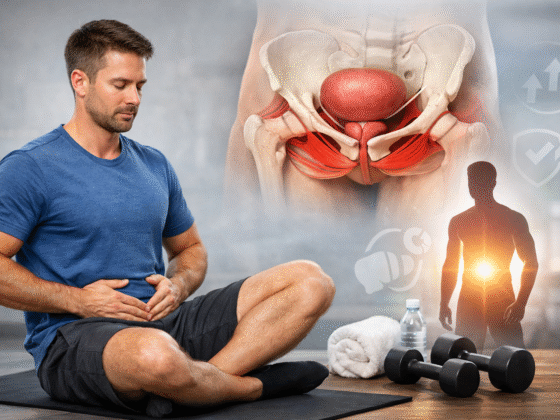
You’ve probably heard this before, but it’s worth repeating: what’s good for your heart is good for your penis. Sexual health and cardiovascular health are deeply intertwined, and lifestyle choices can shift both in the right direction.
Here are a few science-backed habits that boost both heart function and erectile performance:
- Exercise regularly: Moderate cardio improves blood pressure, heart efficiency, and testosterone levels
- Eat for circulation: Diets rich in leafy greens, healthy fats, and antioxidants support vascular health
- Quit smoking: Tobacco damages blood vessels and lowers nitric oxide levels, essential for erections
- Manage stress: Chronic stress raises cortisol, kills libido, and worsens heart disease
- Sleep better: Poor sleep is linked to lower testosterone and higher risk of hypertension
In short, building a heart-healthy lifestyle naturally translates into better sexual performance—and overall vitality. For those ready to combine lifestyle changes with physical tools, check out our full range of Bathmate accessories for performance, maintenance, and enhancement.
When Is Sex Safe Again?
The ultimate question for many men recovering from heart issues is: when can I safely have sex again?
The answer depends on:
- Your functional capacity (can you climb two flights of stairs without issues?)
- How stable your condition is (recent heart attack vs. long-term angina)
- What your cardiologist says
Cardiac stress tests and even the Princeton Consensus guidelines help doctors determine sexual safety. Most men with stable coronary heart disease can safely resume intercourse with precautions.
And remember, sexual activity doesn’t mean intercourse only. Intimacy can take many forms—touch, closeness, communication—all of which help reduce anxiety and support healing.
Final Thoughts: Reclaiming Confidence, One Step at a Time
Sex after a heart condition might feel intimidating, but with the right information and tools, it’s absolutely achievable. The key is to move forward slowly, communicate openly, and support your recovery both physically and emotionally.
For men who want to take the next step in sexual wellness, our full collection of pumps offers science-backed, safe, and confidence-boosting options for every stage of the journey.
Sex and your heart can be allies—not enemies. You just need to understand the rhythm, and move with care.
Want more confidence in the bedroom and better control over your performance? Start your journey with Bathmate’s proven lineup—beginning with the HydroXtreme or entry-level Hydro7.
Frequently Asked Questions
1. Can erectile dysfunction be an early warning sign of heart disease?
Yes. Erectile dysfunction (ED) can appear years before symptoms of cardiovascular disease (CVD). Because erections rely on healthy blood vessels, reduced blood flow caused by atherosclerosis or endothelial dysfunction may first show up as difficulty maintaining an erection—often before chest pain or other heart-related symptoms appear.
2. Does high blood pressure directly affect sexual performance?
Absolutely. Hypertension damages blood vessels over time, reducing circulation to the penis and making erections harder to achieve or sustain. Some blood pressure medications may also contribute to reduced libido or ED, which is why open communication with your doctor is essential.
3. Is sex more dangerous in the morning for heart patients?
For some men, yes. Heart attacks are statistically more common in the early morning due to natural increases in blood pressure, heart rate, and stress hormones. Men with heart disease may feel more comfortable engaging in sexual activity later in the day, when the body is more relaxed.
4. Can heart disease affect orgasm even if erections are possible?
It can. Some men experience difficulty achieving orgasm or reduced orgasm intensity due to nerve damage, reduced blood flow, medication side effects, or psychological stress linked to heart conditions. This doesn’t mean intimacy is over—it often means adjustments are needed.
5. Is it normal to lose interest in sex after a heart diagnosis?
Yes, and it’s very common. A heart diagnosis can trigger anxiety, depression, or fear of physical exertion, all of which suppress sex drive. Addressing emotional health is just as important as managing physical recovery.
6. Can heart medications lower testosterone levels?
Some medications used to treat heart disease may indirectly affect testosterone by altering metabolism or increasing fatigue. Low testosterone can reduce libido and energy, so blood testing and medical guidance are important before assuming symptoms are age-related.
7. Are there sexual positions that are safer for men with heart conditions?
Generally, positions that reduce physical strain and avoid sustained exertion are better tolerated—especially for men with angina, heart failure, or limited functional capacity. Comfort, breathing ease, and pacing matter more than the position itself.
8. Can regular sex improve heart health over time?
Moderate sexual activity can support heart health by improving circulation, reducing stress, and encouraging emotional connection. While sex isn’t a substitute for exercise, it does contribute positively to quality of life and intimacy, which are linked to better long-term outcomes.
9. Should men with heart disease avoid masturbation?
No. Masturbation is generally safe for men with stable heart conditions and often involves less physical exertion than partnered sex. It can also help maintain sexual function, reduce anxiety, and support confidence during recovery.
10. Should I talk to my cardiologist about my sex life?
Yes—without hesitation. Cardiologists are trained to discuss sexual activity as part of patient education and recovery planning. Asking questions about sex is a sign of proactive health management, not embarrassment.