Last Updated on 7th January 2026 by Charlie Walsh
Quick Take: What You’ll Learn From This Article
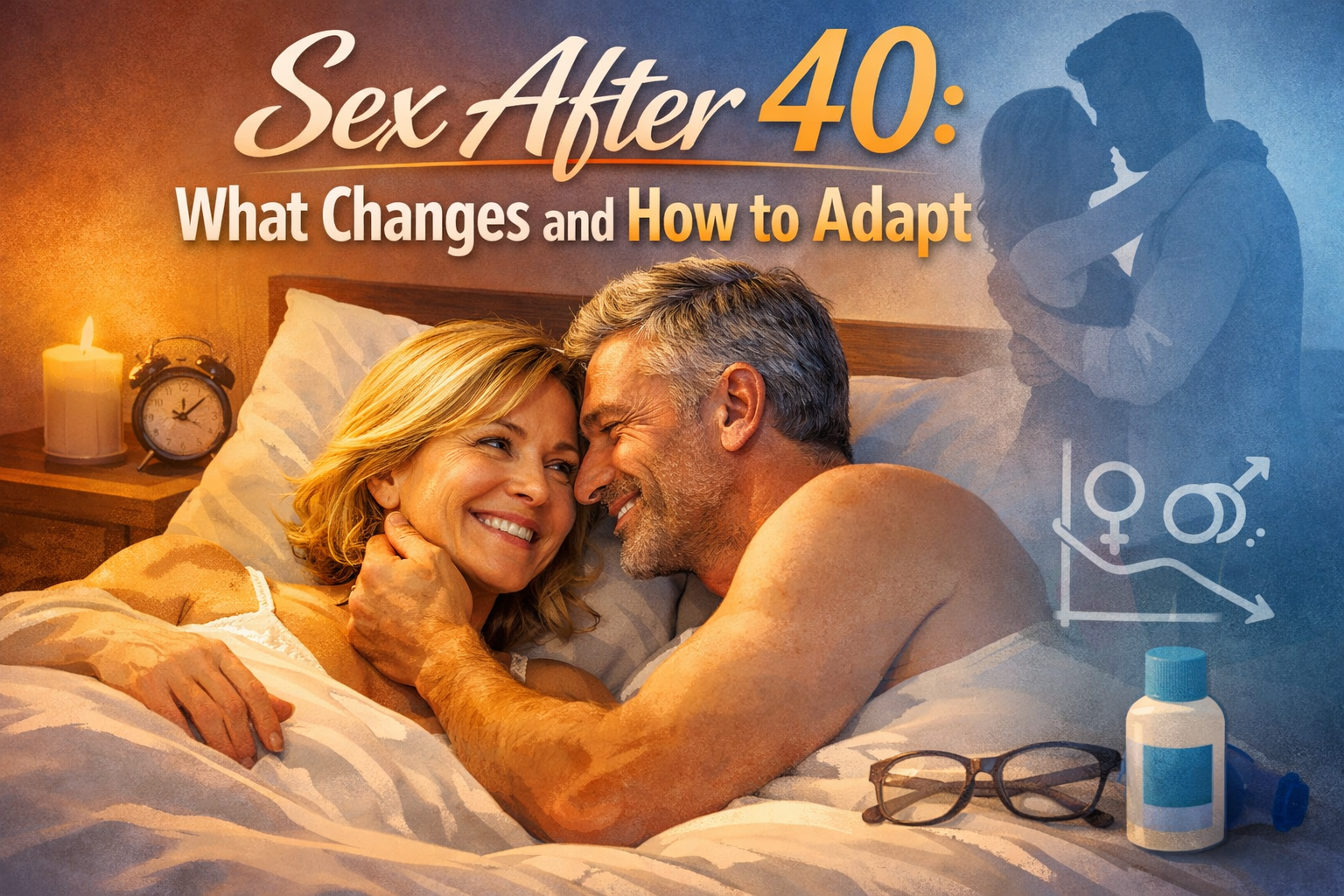
Sex after 40 doesn’t mean the end of pleasure—it’s the beginning of a more conscious, empowered and deeply intimate era. In this article, we explore what truly changes in your 40s—biologically, emotionally, and psychologically. We cover the effects of hormone fluctuations like estrogen and testosterone decline, the realities of perimenopause and andropause, and shifts in libido or erectile strength. We’ll also dive into how emotional intimacy, body confidence, and mental health play vital roles in maintaining a satisfying sex life. Finally, we’ll provide real, practical solutions—from lubricants and foreplay to toys and therapy—that can make midlife intimacy not only possible, but exceptional.
If you’re navigating a new phase of sexual discovery, this guide offers candid insights and actionable steps to support you—whether you’re dealing with changes alone or as part of a couple.
Midlife: The Second Sexual Awakening
It’s easy to assume that sexual peak only happens in youth. The truth is more interesting. By the time you hit your 40s, your body and mind have seen enough to understand what you want—and what you don’t. This is less about decline and more about sexual rediscovery.
That said, changes do happen, and ignoring them doesn’t help. The shifts are both physical and psychological, sometimes subtle and sometimes dramatic. But when you learn to adapt with curiosity instead of fear, sex after 40 can become more mindful, connected, and ultimately, more fulfilling.
“This whole chapter is a time of transition, and your sexual health is no different.”
Physical and Hormonal Changes in Midlife
Sexual function in your 40s is greatly influenced by hormonal changes. These shifts are biological realities—not personal failures. Understanding what’s happening can transform frustration into empowerment.
For Women: Perimenopause and Beyond
Perimenopause, the hormonal lead-up to menopause, can begin as early as your late 30s or early 40s. You may experience:
- Irregular periods
- Vaginal dryness or discomfort
- Hot flashes and mood swings
- A decline in sexual desire
One simple, effective solution? Lubricants. We’re not talking about supermarket shelf brands—we’re talking about premium options that enhance pleasure-focused intimacy, especially when paired with foreplay or toys. If dryness is interfering with your enjoyment, consider pairing your foreplay with Bathmate Pleasure Gel for a smoother, more natural experience.
For Men: Erection Changes and Testosterone
In your 40s, testosterone decline starts to show. It doesn’t always mean full-blown erectile dysfunction, but many men do notice changes:
- Erections are less spontaneous
- Recovery time is longer
- Minor distractions can disrupt arousal
- Confidence may take a hit
This is often referred to as andropause—the male version of menopause—and it brings its own set of challenges. However, men at this stage are more sexually aware, more focused, and more able to identify what they enjoy. Instead of hiding from change, you can lean into sexual empowerment.
Using a quality penis pump can support blood flow, improve erection strength, and increase confidence. If this resonates, the HydroXtreme Series from Bathmate is an effective solution specifically engineered for those experiencing erection changes after 40.
Emotional Intimacy and Self-Perception
Your body isn’t the only thing evolving. Midlife brings emotional shifts too—self-awareness, relationship dynamics, and body acceptance all become central themes.
Confidence Redefined
What once felt like performance pressure now morphs into a quest for deeper connection. You care less about the “show” and more about the experience. This kind of maturity brings a new level of sexual confidence.
That said, not everyone adjusts easily. Stress, anxiety, and body image concerns can dampen desire. Partners who once had fire now have mortgages, deadlines, and less sleep. Libido can falter not because of physical dysfunction, but from emotional overload.
This is where tools like communication exercises, couples therapy, or even mindful sexuality practices can be powerful. It’s not about fixing what’s broken—it’s about re-learning what works now.
Rituals That Reignite Intimacy
If routine is draining your connection, create intimacy rituals. These can be small:
- Weekly “no-pressure” sensual nights
- Morning showers together
- Shared massage before bed
A ritual doesn’t have to lead to sex, but it often does. What matters is the reconnection. A lack of spontaneity isn’t a failure—it’s an opportunity to be intentional.
“The most rewarding sex isn’t always spontaneous—it’s the kind that’s chosen, explored, and savored.”
Adaptation, Not Resignation
Midlife intimacy is less about returning to what you had at 25 and more about reimagining what’s possible at 45, 50, or 60. This is where adaptation shines.
If you’ve never tried sexual tools or introduced toys into your intimacy, now’s the time. As your body changes, sensation may shift—what once was enough may no longer be. That’s not a dead end; it’s a doorway.
If you’re new to these kinds of additions, you might want to check out the Bathmate Vibe Ring—designed not just for function but for pleasure, especially in midlife intimacy scenarios.
Where Lifestyle Meets Libido
A satisfying sex life after 40 isn’t just about hormones and communication. It’s also closely tied to how you live, eat, move, and rest. Midlife can be a sexual renaissance—but only if your body has the energy and resilience to support it.
Let’s break down some crucial lifestyle factors that directly affect your sexual wellness:
1. Prioritize Your Health and Fitness
As testosterone and estrogen shift, muscle tone, energy levels, and stamina often follow. Regular physical activity can:
- Improve blood flow to sexual organs
- Support hormone balance
- Boost self-confidence
- Reduce stress and anxiety
- Enhance sleep—one of the biggest silent killers of libido
Even just walking 30 minutes a day can produce noticeable effects in libido and mood. For men seeking firmer erections naturally, enhanced circulation from exercise complements tools like the Bathmate Hydromax Series—our best-selling water-based penis pump that’s often used as part of a daily fitness and wellness routine.
2. Nutrition, Not Just for Abs
Diet affects more than your waistline. A lack of essential nutrients—zinc, vitamin D, healthy fats—can impair hormonal health and libido. Foods that support healthy sex hormones include:
- Fatty fish (omega-3s)
- Leafy greens
- Avocados
- Pumpkin seeds
- Dark berries
Limit sugar and processed food intake, as these can contribute to insulin spikes, energy crashes, and inflammation—all enemies of arousal and performance.
3. Sleep: Your Secret Weapon
Too little sleep lowers testosterone levels and raises cortisol (the stress hormone). The result? Poor recovery, reduced sexual desire, and foggy thinking.
If you’re already using tools like pumps or exploring new forms of stimulation, rest and recovery ensure your body can actually benefit from them. Think of sleep as the foundation for every other adaptation.
“Your body can’t crave intimacy if it’s too tired to function.”
Modern Approaches to Midlife Contraception
One of the most overlooked aspects of sex after 40 is contraception. Many people mistakenly assume it’s no longer necessary.
Reality Check: Fertility Doesn’t Vanish at 40
For women, perimenopause can stretch for several years before full menopause sets in. And as long as ovulation is possible, so is pregnancy. On the flip side, men’s fertility may decline with age, but it doesn’t disappear.
Here are the most relevant contraceptive options for midlife couples:
- Hormonal contraceptives: Still viable for many, though some may require reassessment due to blood pressure or clot risks.
- IUDs (hormonal or copper): Long-lasting, low-maintenance options ideal for busy lifestyles.
- Barrier methods: Especially important for STI awareness, especially for those re-entering dating after divorce or separation.
- Sterilization: For those certain they’re done with childbearing—vasectomies are simpler and more effective than most assume.
Be sure to consult a sexual health professional who understands the unique concerns of midlife contraception. Unfortunately, ageism in healthcare still causes many midlife individuals—especially women—to feel dismissed. Advocate for yourself and seek providers who listen.
The Role of Exploration and Novelty
As we age, our sexual scripts can become predictable. This isn’t inherently bad, but it can lead to boredom or emotional distance.
Midlife is a prime time to embrace sexual self-awareness and try new things.
Rediscovering Sensuality
Here’s what “new things” might look like:
- Switching up roles or initiating in different ways
- Exploring toys designed for mutual pleasure
- Introducing light elements of tantric intimacy or non-penetrative sex
- Creating space for touch therapy, massage, or pleasure without expectation
These aren’t “replacements” for traditional intercourse—they’re expansions.
For men who want to explore solo pleasure or add a new layer to partnered sex, the HydroVibe combines water-based pumping with vibration therapy to amplify sensation and arousal—a great tool for sexual autonomy and rekindling internal connection.
Reframing Intimacy for Inclusivity and Growth
Inclusive sex is not just about orientation or gender—it’s about meeting people where they are. Whether you’re in a same-sex relationship, navigating life after divorce, or redefining your identity, midlife can be incredibly transformative.
Normalize Change
Sexual identity isn’t static. Many people experience shifts in:
- Erotic preferences
- Relationship structures
- Gender identity
- Sexual needs
Midlife is not too late to evolve. In fact, it may be the perfect time. Embrace sexual identity evolution as a natural and empowering process. You may feel more in tune with your desires now than ever before.
From Routine to Ritual: Redefining Intimacy
After years—sometimes decades—of being with a partner, intimacy can fall into autopilot. This doesn’t mean the love is gone, but rituals often replace spontaneity. And in midlife, that’s not a weakness—it’s an advantage.
Creating intentional moments of closeness transforms “maintenance sex” into meaningful encounters.
Build Intimacy, Not Just Intercourse
Some examples of intimacy rituals:
- Setting aside one night a week for sensual time (with no goal of sex)
- Practicing mutual massage using natural oils or Pleasure Gel
- Morning cuddles, eye contact, or simply holding hands while falling asleep
- Shared bath or shower routines
- Verbal affirmations before bed (“I love how you touched me last night…”)
This reframes intimacy as a daily practice instead of an occasional performance.
“Midlife sex thrives on intention, not urgency.”
When Desire Fades: Mismatched Libido and What to Do
One of the hardest realities couples face post-40 is desire discrepancy. One partner may feel reawakened sexually, while the other may feel disconnected or disinterested.
This is rarely about rejection—it’s often about:
- Hormonal fluctuations
- Body image issues
- Resentments or emotional distance
- Fatigue or stress
- Lack of stimulation or boredom
The first solution isn’t more sex—it’s better communication.
Use Communication Tools, Not Ultimatums
- Schedule a weekly check-in to talk about intimacy without distractions
- Use “I feel” statements instead of blame
- Explore sexual coaching or therapy if conversations stall
- Consider journaling or writing each other letters
For couples looking to reintroduce intimacy without pressure, exploring mutual toys like the Vibe Ring can be a gentle entry point. These tools create physical excitement while allowing space for emotional reconnection.
Sexual Health Professionals: When to Seek Help
At some point, many couples or individuals benefit from professional support—not because something’s wrong, but because they want something better.
Who Can Help:
- Sex therapists: Focus on emotional/relational blocks
- Pelvic floor specialists: Especially for women post-childbirth or during menopause
- Endocrinologists or GPs: To evaluate hormone levels or recommend HRT or TRT
- Couples therapists: To address broader relationship dynamics
Don’t wait until everything’s falling apart. Midlife sexuality education is sorely lacking in most public discourse—getting help isn’t failure, it’s leadership in your own life.
The Power of Pleasure-First Thinking
Many people in their 40s were raised to see sex as goal-oriented: climax = success. But pleasure-focused intimacy is a new frontier, where the journey matters more than the outcome.
You might find deeper connection in:
- Prolonged sensual touch
- Extended foreplay
- Non-penetrative exploration
- Mutual masturbation
- Fantasy sharing
One helpful practice? Mindful sexuality—being fully present in sensation, breath, and connection. It’s not about fixing your sex life. It’s about feeling more of it.
If you’re exploring solo or partnered mindful experiences, tools like the HydroVibe offer both physical and sensory stimulation—combining vibration and hydrotherapy for a whole-body experience.
Wrapping It Up: Sex After 40 Is Just the Beginning
Here’s the truth: You are not less sexual after 40. You are more aware, more equipped, and more capable than ever of curating a meaningful sex life.
Final Takeaways:
- Accept the physical and emotional shifts—they are real, but manageable
- Invest in intentional intimacy, not just sexual frequency
- Use modern tools—from pumps to therapy—to support your evolving needs
- Prioritize pleasure, presence, and play
- Be open to change, including rediscovering your own desires and identity
Whether you’re navigating menopause, andropause, a new relationship, or the reinvention of an old one—midlife intimacy is yours to reclaim.
Frequently Asked Questions About Sex After 40
1. Is it normal to want sex less often after 40?
Yes, it’s common for both men and women to experience shifts in sexual desire as they age. This doesn’t mean something is wrong. Changes in libido can result from hormonal fluctuations, stress, medication, fatigue, or even relationship dynamics. The key is identifying the cause and exploring ways to reconnect physically and emotionally.
2. Can I still get sexually transmitted infections (STIs) after 40?
Absolutely. Age doesn’t protect you from STIs. In fact, people re-entering the dating scene after divorce or loss may underestimate the importance of safe sex. Always use protection and consider regular STI screenings if you’re sexually active with new partners.
3. What are some non-hormonal ways to improve libido?
Non-hormonal methods include:
- Regular physical activity
- Eating a nutrient-rich diet
- Managing stress
- Enhancing foreplay and sensual exploration
- Using intimacy tools like vibrators or pumps
- Engaging in mindfulness or touch-based rituals
Products such as the Bathmate Hydromax can improve blood flow and confidence, which positively impacts libido.
4. Can certain medications affect sexual function after 40?
Yes. Common medications—such as antidepressants, blood pressure meds, and antihistamines—can cause issues like reduced libido, vaginal dryness, or difficulty achieving erections. If you notice changes, talk to your healthcare provider. Never stop medication without professional advice.
5. Is painful sex after 40 normal for women?
While common, painful sex isn’t something to just “put up with.” It may be due to vaginal dryness, perimenopausal changes, or pelvic floor issues. Lubricants, vaginal moisturizers, pelvic floor therapy, or medical treatments like HRT can help. Addressing it early can prevent further avoidance of intimacy.
6. Does sex have to include penetration after 40?
Not at all. Many couples find deep satisfaction through non-penetrative sex, including sensual massage, mutual masturbation, oral sex, and other forms of erotic play. The focus shifts from performance to pleasure and connection, and that’s often more fulfilling.
7. How can I feel more attractive and confident in my body as I age?
Confidence isn’t about perfection. It’s about acceptance and communication. Practices that help include:
- Wearing clothing or lingerie that feels good
- Moving your body regularly (dance, yoga, walking)
- Focusing on pleasure rather than performance
- Complimenting yourself or having your partner do so
- Exploring your own body without judgment
Tools like the Bathmate Pleasure Gel can also enhance sensation and body awareness.
8. How do I initiate sex without making it feel forced?
Start with intimacy-first gestures: holding hands, long hugs, shared showers, or sensual massage. Compliment your partner genuinely or suggest something playful without pressure. Clear communication, even if it feels awkward at first, builds emotional safety and opens the door to physical closeness.
9. What role does emotional connection play in sex after 40?
A huge one. Emotional intimacy becomes even more central with age. Trust, vulnerability, shared rituals, and mutual respect are often the foundation for enjoyable, connected sex. Many couples find their emotional bond deepens sexual pleasure far beyond physical stimulation alone.
10. What if my partner and I have different needs or mismatched libidos?
This is common and doesn’t mean your relationship is broken. Try to:
- Have open, judgment-free conversations about what’s changed
- Explore other forms of intimacy when sex isn’t on the table
- Consider scheduling intimacy so neither partner feels neglected
- Seek couples therapy or sex therapy if frustration grows
Many find balance through creativity, compromise, and curiosity.