Last Updated on 20th January 2026 by Charlie Walsh
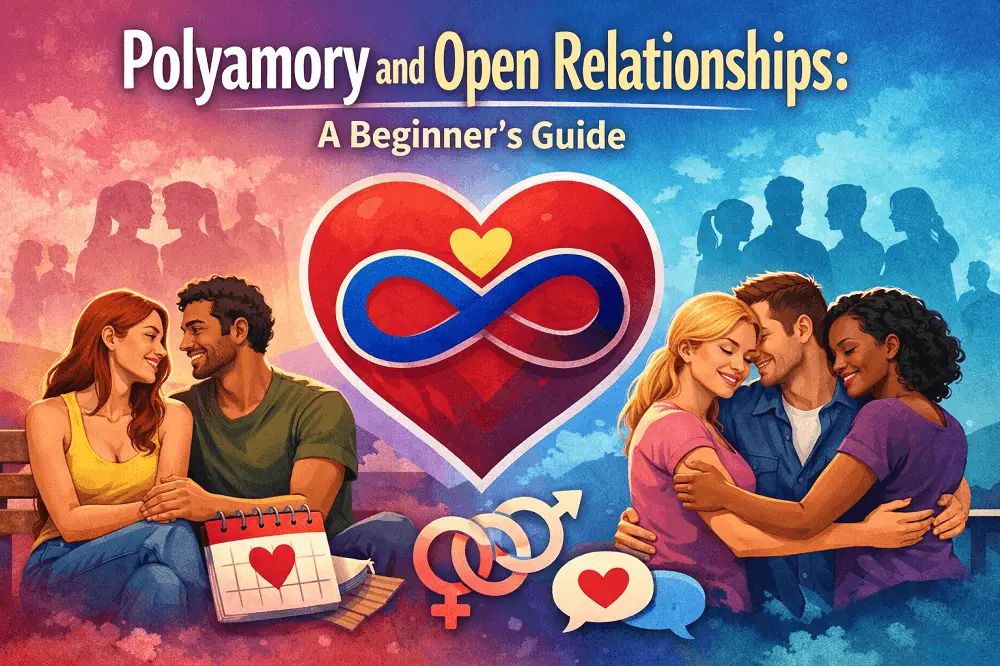
Polyamory and open relationships are growing in visibility and acceptance, but they remain widely misunderstood. This beginner’s guide breaks down the core philosophies, structures, and emotional considerations that define ethical non-monogamy. You’ll learn about relationship styles like hierarchical and non-hierarchical polyamory, how to navigate trust and boundaries, the distinction between romantic and sexual relationships, and why honest communication is essential. Whether you’re curious, considering opening your current relationship, or just looking to understand others better, this guide walks you through the foundational elements with nuance and clarity.
Also included are references to personal care and intimacy products that can support your exploration of confidence, connection, and wellness, helping you show up as your best self in any relationship structure.
What Are Open and Polyamorous Relationships, Really?
Ethical non-monogamy, a term that encompasses both open relationships and polyamory, refers to romantic or sexual relationships involving more than two people—with full consent, transparency, and communication from everyone involved.
Unlike infidelity, which is based on secrecy and broken trust, ethical non-monogamy is built on honesty and mutual agreement. In fact, open communication is often more rigorous in polyamorous or open setups than in many traditional monogamous ones.
Polyamory specifically allows for multiple loving, romantic relationships at once. This is distinct from open relationships, which may allow sexual experiences outside the partnership but retain romantic exclusivity.
The key concept? Trust and transparency are not optional—they are the foundation.
“Love is not a pie. Giving a slice to someone else doesn’t mean there’s less for you.”
Defining the Relationship: One Size Doesn’t Fit All
Monogamy has long been treated as the societal default—a concept sometimes referred to as mononormativity. But for those exploring alternatives, relationship models become infinitely more customizable. Here are some common structures:
Relationship Models to Know
- Hierarchical Polyamory: A structure where primary partners have priority in life decisions, time, and emotional involvement over secondary partners.
- Non-Hierarchical Polyamory: No partner is considered more or less important. This is common in relationship anarchy, which rejects labels and prioritizes autonomy.
- Solo Polyamory: The individual remains independent (e.g., not nesting or cohabiting) while forming multiple intimate relationships.
- Parallel Polyamory: Partners don’t necessarily interact with one another’s other partners (metamours), and relationships are kept separate.
- Kitchen Table Polyamory: Everyone involved is comfortable enough to “sit at the same kitchen table,” forming a more interconnected network.
- Monogamish: Mostly monogamous with occasional, consensual deviations—often focused on sexual rather than romantic exploration.
- Swinging: Typically involves couples engaging in sexual activity with others, usually together and recreationally, without romantic entanglements.
- Triads / Throuples: Three-person relationships where everyone may be involved romantically with one another.
- Polygamy: Involving multiple spouses, often with religious or cultural significance. It’s worth noting this is legally distinct and generally not synonymous with polyamory.
Each of these structures exists on a spectrum of autonomy, intimacy, and emotional labor, and they require active and ongoing negotiation of expectations.
Tools That Support Communication and Confidence
Starting new conversations around intimacy—especially when introducing the idea of multiple partners—can feel daunting. Building confidence in your own body and presence can be a powerful first step.
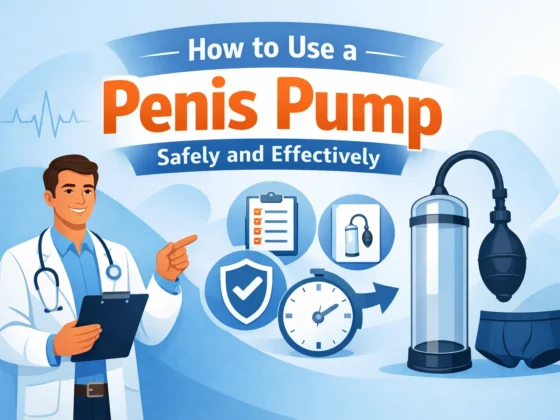
Bathmate’s Hydro7 is a great entry-level pump that encourages blood flow and boosts confidence without overcomplicating the process. It’s especially useful for those just beginning their journey into enhanced intimacy or seeking personal growth in relationships that demand clear and confident self-awareness.
Building a Foundation: Consent, Boundaries, and Emotional Intelligence
In ethical non-monogamy, consent isn’t a checkbox—it’s a living, breathing conversation. Every relationship, whether between two or more people, must be shaped around clearly stated:
- Personal boundaries
- Relationship agreements
- Emotional needs and expectations
Healthy polyamorous and open relationships are often celebrated for their commitment to radical honesty and intentionality. You don’t fall into these relationships by default—they are chosen, crafted, and continuously refined.
Some key skills that help relationships thrive include:
- Emotional intelligence: Understanding and managing your own emotions and reactions
- Self-awareness: Knowing your limitations, needs, and growth edges
- Time management: Especially critical when navigating multiple partnerships
- Compersion: The ability to feel joy at a partner’s joy with someone else (a kind of “empathetic happiness” that contrasts with jealousy)
“If monogamy is a default, polyamory is a design.”
Understanding Orientation vs. Practice
It’s worth noting that being polyamorous can be both a relationship practice and a personal identity. Some people feel they are romantically or sexually oriented toward multiple loving connections at once—even if they’re not actively practicing it.
Others may engage in open relationships while not identifying as polyamorous, instead viewing it as a lifestyle or phase. Neither approach is more valid than the other—what matters is how clearly it’s communicated between all involved.
A Tip for Navigating New Dynamics
For couples exploring these concepts together, intentional exploration can include physical intimacy tools that promote mutual pleasure and discovery.
Consider introducing the HydroXtreme Kit, which includes not only Bathmate’s most advanced pump but also performance-enhancing accessories that align well with open communication about desires and pleasure. It can serve as a stepping stone into greater physical awareness and confidence.
Despite the ideals of openness, ethical non-monogamy isn’t without emotional friction. One of the most common challenges people face—especially in the early stages—is jealousy.
But jealousy isn’t the villain we often make it out to be. It’s a signal, not a flaw. In many cases, it reflects unmet emotional needs, unclear boundaries, or fear of being replaced. The goal isn’t to erase jealousy, but to understand what it’s telling you.
Coping Strategies:
- Name the feeling: Is it jealousy, envy, insecurity, or fear?
- Communicate early: Don’t wait until resentment builds up.
- Identify needs: Are you seeking reassurance, more quality time, or clearer agreements?
- Practice compersion: This counterintuitive term describes the joy one feels when a partner is thriving with someone else. It takes time, but it’s possible.
“In monogamy, jealousy often ends the conversation. In polyamory, it begins one.”
For those navigating these emotions, maintaining personal rituals of care—both emotional and physical—can help restore a sense of grounding. A personalized, affirming routine (even something as small as post-shower self-care) reinforces that you are enough, no matter how many other connections are in play.
For example, the HydroXtreme UltraMale Kit offers a complete wellness package that supports not just performance but confidence—a vital asset in relationship models where emotional security plays a central role.
Establishing Relationship Agreements
While monogamous couples often rely on unspoken rules, polyamorous and open relationships require deliberate agreements. These are living documents, not rigid contracts. Still, they form the backbone of clarity and mutual respect.
Consider defining:
- Time commitments (e.g., how often you see each partner)
- Sexual boundaries (fluid bonding agreements, condom use, STI testing frequency)
- Communication protocols (when and how you update each other)
- Privacy and disclosure (what you’re comfortable sharing about other partners)
- Conflict resolution strategies
These agreements aren’t there to control each other—they’re there to give everyone the freedom to relax into trust.
A well-crafted agreement doesn’t lock people in—it creates a shared language for expressing needs, changes, and expectations.
Tools That Foster Emotional Intelligence
In open and polyamorous dynamics, emotional labor can be high. You’re not just juggling schedules—you’re holding space for multiple emotional landscapes.
A few tools that can help:
- Shared calendars: Prevents overlap, miscommunication, and burnout.
- Journaling: Helps process emotions without placing them entirely on your partner(s).
- Therapy or coaching: Especially with a professional versed in non-traditional relationships.
- Community: Finding others navigating similar paths can provide enormous clarity and relief.
One often overlooked aspect of these relationships is that they require boundaried autonomy. You need to honor your own identity and needs while also engaging deeply with others.
Legal and Social Considerations
While polyamory and open relationships can be deeply fulfilling, they exist in a society still largely shaped by mononormative expectations—and laws.
Some realities to consider:
- Polyamorous relationships are not legally recognized in most countries, including the UK and US.
- Secondary partners (even long-term ones) may have no legal protection in housing, custody, or health emergencies.
- Written agreements about shared responsibilities (like co-parenting or finances) can offer some protection.
- Discretion and disclosure are key in certain careers or cultural communities. Coming out as polyamorous may carry social or professional risks.
While these barriers are frustrating, being informed helps you make intentional decisions. It’s okay to move slowly or choose partial disclosure based on your situation.
Community & Resources That Help
You’re not alone. There’s a vibrant, supportive world of polyamorous and open-minded individuals building better models for love and connection.
Recommended Resources
- Books: The Ethical Slut is a classic starter text, offering a grounded, sex-positive foundation for exploring non-monogamy.
- Podcasts: Shows like Multiamory provide practical advice on boundaries, emotional regulation, and relationship logistics.
- Webcomics: Kimchi Cuddles uses humor and heart to illustrate the nuances of real-life polyamory.
- Dating apps: Platforms like OkCupid or Feeld cater to open-minded people looking for meaningful or casual connections.
- Support groups: Online and in-person, they’re often lifelines for those navigating new identities or transitions.
These resources are especially useful if you’re still learning the difference between orientation and practice—a crucial distinction that helps you define what works best for your truth.
Supporting Sexual Confidence as You Explore
While emotional intimacy is critical in ethical non-monogamy, sexual confidence plays its part too. When exploring new or multiple connections, showing up with assurance matters.
Bathmate’s curated Accessories Collection offers lubricants, comfort pads, and cleaning kits designed to keep your devices—and your mindset—in peak form. The right tools allow you to engage physically with as much care as you do emotionally.
Common Myths (and the Truth Behind Them)
When people hear about polyamory or open relationships for the first time, a flood of misconceptions often follows. Let’s address a few of the most persistent ones:
Myth #1: Polyamory is just cheating with permission
Reality: Cheating is defined by a breach of trust and lack of consent. In ethical non-monogamy, trust and communication are non-negotiable. Everyone involved knows the deal—and agrees to it.
Myth #2: You can’t really love more than one person
Reality: Humans are capable of loving more than one child, parent, or friend. Why not more than one romantic partner? Love isn’t finite; it’s contextual. And when practiced mindfully, multiple relationships can deepen—not dilute—emotional intimacy.
Myth #3: Non-monogamous relationships don’t last
Reality: Longevity in any relationship depends on the people involved. Yes, polyamorous dynamics can be complex, but many thrive long-term because they prioritize communication, consent, and self-awareness from the outset.
Myth #4: It’s all about sex
Reality: While sexual relationships can be a part of open dynamics, many people pursue polyamory for emotional connection, autonomy, or philosophical reasons. Some are even asexual and still polyamorous.
Talking to Your Partner About Opening Up
Bringing up the idea of non-monogamy to a monogamous partner can be intimidating. Here are a few essential strategies to approach the conversation with respect and clarity:
1. Start with education, not a demand
Instead of saying “I want to open our relationship,” try “I’ve been learning about different relationship styles and wondering what you think about them.”
2. Provide context
Share resources like The Ethical Slut or a trusted podcast episode. Frame it as something you’re exploring, not forcing.
3. Discuss feelings, not logistics (yet)
At first, don’t focus on how many people you want to date. Talk about needs, desires, boundaries, and emotional needs that may be unmet in your current structure.
4. Be ready for all responses
They might be open. They might not. This doesn’t mean one of you is wrong—but it might highlight a core incompatibility, and that’s worth respecting.
Products That Support Confidence in Conversation and Connection
If you’re preparing for these relationship-defining conversations, it helps to feel grounded in your own body first. Confidence comes not just from mindset—but how you care for yourself.
The HydroXtreme Pump offers advanced performance and a confidence boost, which can be helpful when stepping into new relationship dynamics where intimacy is more openly discussed and negotiated.
Mistakes to Avoid as a Beginner
Entering into open relationships or polyamory for the first time can be exciting—and overwhelming. Avoid these common traps:
- Going in without boundaries: Freedom doesn’t mean lack of structure. Unclear expectations breed resentment.
- Using it to “fix” a broken relationship: Non-monogamy isn’t a bandage for betrayal, lack of attraction, or poor communication.
- Keeping secrets in the name of avoiding conflict: Withholding details violates the foundation of trust, even if it seems protective in the short term.
- Neglecting emotional check-ins: These relationships demand emotional maintenance. Avoiding that work will backfire.
Remember: NRE (New Relationship Energy) can blind you to reality. It’s common to get swept up in the rush of newness, but it’s crucial to stay grounded, especially in established partnerships.
What Healthy Polyamorous Relationships Look Like
In well-functioning open or polyamorous dynamics, you’ll often find:
- Radical honesty as a standard—not a bonus
- Time management used not just for logistics, but to express care
- Conflict resolution that centers empathy and doesn’t weaponize blame
- Compersion, even when it takes time to develop
- Autonomy respected, with space to grow both together and individually
- Nesting partnerships built on mutual respect, not obligation
In fact, many people find that learning these skills in non-monogamous contexts transforms how they relate to everyone—not just romantic partners.
Long-Term Satisfaction and Relationship Growth
Sustaining happiness in polyamory isn’t about avoiding discomfort. It’s about learning to sit with it, understand it, and grow through it. These relationships are often less about rules and more about principles:
- Do no harm—but take no nonsense
- Love fully—but respect boundaries
- Be honest—even when it’s hard
That’s not to say things will be easy. But they can be deeply meaningful, satisfying, and profoundly connective when built with intention.
Final Thoughts: Your Path, Your Design
Whether you’re curious, committed, or cautious, exploring polyamory or open relationships invites you to build love intentionally. It challenges assumptions, expands empathy, and often brings people closer—not further apart.
But above all, it reminds us that relationships can be chosen, not assumed. And that, perhaps, is the most empowering truth of all.
Explore More Confidence Tools
Ready to explore your potential further? Whether you’re single or partnered, our range of Bathmate pumps can support your journey in building personal confidence and enhancing intimacy—tools that matter in any relationship style.
New to using pumps? The Hydromax Lander offers a user-friendly experience ideal for beginners, making it easy to add to your wellness or self-pleasure routine.
Frequently Asked Questions (FAQ): Polyamory and Open Relationships
1. Can I be polyamorous if I’ve never been in a relationship before?
Yes. Polyamory is a relationship orientation, not a relationship résumé. Many people discover their preference for ethical non-monogamy before engaging in their first serious relationship. What matters is that you approach all relationships with honesty, self-awareness, and consent.
2. Do I need to be sexually active to be polyamorous?
Not at all. Some polyamorous individuals are asexual or prioritize emotional and romantic connections over sexual ones. Polyamory is about the capacity for multiple meaningful relationships, which can be sexual, romantic, platonic—or a mix.
3. How do I meet other polyamorous or open-minded people?
Many people connect through dating apps that support ethical non-monogamy (like Feeld or OkCupid), local meetup groups, or online forums and Discord communities. Seek out spaces where people are explicitly open about diverse relationship structures.
4. What does it mean to be a “metamour”?
A metamour is your partner’s partner—someone you are not romantically or sexually involved with, but who is connected to you through shared relationships. The level of interaction you have with metamours depends on the structure (e.g., parallel vs. kitchen table polyamory) and personal comfort.
5. Is jealousy a sign that polyamory won’t work for me?
Not necessarily. Jealousy is a normal emotion and often arises in any relationship style. What matters is how you process and communicate those feelings. Polyamory often requires deeper emotional work—but many find it leads to greater personal growth.
6. What’s the difference between polyamory and swinging?
Swinging usually focuses on recreational, consensual sex with others, often in a couple-to-couple dynamic. Polyamory centers on multiple emotional and romantic relationships. Some people swing, some practice polyamory, and some explore both at different times.
7. Do polyamorous relationships have to be equal?
Not in the sense that everyone must have the same feelings or time allotments. However, healthy polyamorous relationships value respect and transparency, even if the structure is hierarchical, non-hierarchical, or solo. Equality is often more about fairness and consent than symmetry.
8. Is polyamory a phase or a lifestyle choice?
For some, it’s a phase of exploration. For others, it’s a core identity or lifelong orientation. There’s no one right way to engage in ethical non-monogamy. What’s most important is that your relationship style aligns with your personal values and emotional needs.
9. Can I be polyamorous and still get married?
Yes. Many polyamorous people are married or have nesting partners, though only one legal marriage is allowed in most countries. That said, multiple emotional or long-term partnerships are possible outside of legal marriage.
10. Is polyamory compatible with parenting and family life?
Absolutely. Many polyamorous families co-parent successfully, just like monogamous ones. It depends on the individuals involved, how roles and responsibilities are shared, and whether the children are raised in an open, communicative environment.