Fast Facts: What You’ll Learn
This guide dives into sustainable, natural lifestyle strategies that support optimal testosterone levels—without turning to pills or synthetic boosters. You’ll learn:
- How sleep, nutrition, exercise, and stress directly impact testosterone production.
- The role of protein, carbs, healthy fats, and micronutrients in hormone balance.
- Smart, everyday testosterone-boosting habits you can build into your life.
- Why avoiding alcohol, stress, and processed foods is as important as what you do add.
- Tools to support your lifestyle including options like the HydroXtreme Pump to complement your natural journey.
This is Part 1 of a deep dive into naturally enhancing male vitality through holistic, research-backed methods.
The Testosterone Conversation: Why It Matters More Than You Think
Testosterone isn’t just about muscles or sex drive—though it certainly influences both. It’s a vital hormone that helps regulate energy levels, sleep patterns, bone density, fat distribution, and even mood. For many men, especially after age 30, levels begin to dip gradually—but not irreversibly.
Rather than defaulting to supplements, injections, or pharmaceuticals, more men are turning to natural ways to increase testosterone. These strategies don’t just help with hormone levels; they elevate your entire lifestyle, too.
“Optimizing testosterone without artificial crutches is about taking back control—one decision, one habit, and one day at a time.”
The Sleep-Testosterone Connection: Deep Rest, Deep Results
Let’s begin where testosterone starts regenerating: deep, quality sleep. Research shows that most testosterone is produced during REM sleep, and men who regularly sleep fewer than 6 hours experience a dramatic drop in testosterone levels.
Build Better Sleep to Boost Testosterone:
- Create a wind-down ritual: No screens, dim lights, maybe light stretching.
- Set consistent bed/wake times—yes, even on weekends.
- Keep your bedroom cool, dark, and quiet.
- Avoid alcohol and heavy meals before bed.
Your goal? At least 7–8 hours of sleep nightly. It’s one of the most overlooked forms of natural testosterone regulation, yet one of the most powerful.
Pairing deep sleep with tools for body confidence and performance, like our Hydro7 pump, can be a major upgrade for nighttime recovery and overall wellness.
Fuel for Hormones: Eating for Endocrine Health
You are what you eat—especially when it comes to hormone health. A balanced diet plays a direct role in testosterone production. It’s not about obsessing over calories, but about choosing nutrient-dense, real food that supports hormone balance from the inside out.
Key Nutritional Priorities:
- Protein intake: Essential for muscle growth and hormone synthesis.
- Carbohydrates and testosterone: Don’t fear carbs—your body needs them for energy and hormone production. Opt for whole grains, fruits, and starchy veggies.
- Healthy fats for hormones: Think avocados, nuts, olive oil, and yes—fatty fish (omega‑3) like salmon and sardines. These support the cholesterol needed to manufacture testosterone.
- Zinc-rich foods: Oysters, red meat, and seeds help stabilize testosterone levels.
- Magnesium-rich foods: Spinach, dark chocolate, almonds—critical for energy and testosterone response.
- Pomegranate testosterone foods: This antioxidant powerhouse may support blood flow and hormone regulation.
Foods to Minimize:
- Reduce processed foods (packaged snacks, fast food, refined sugar).
- Reduce alcohol intake—even moderate drinking can impair testosterone synthesis.
Need structure? Try a testosterone diet plan built around whole foods, good fats, and nutrient timing.
Get Moving: Exercise & Testosterone Synergy
Physical activity remains one of the most potent natural triggers for testosterone production. Not all movement is created equal though—certain workouts stimulate hormone production more effectively than others.
Top Training Methods for Hormone Optimization:
- Resistance training: Heavy compound lifts like squats, deadlifts, and bench presses increase testosterone both short- and long-term.
- High-intensity interval training (HIIT): Short bursts of intense effort improve insulin sensitivity, lower cortisol, and promote testosterone release.
- Weight lifting: Lifting 3–4 times a week, focusing on progressive overload, is ideal.
To complement your workouts, consider using performance tools like the Hydromax Lander, engineered to support vascular health and confidence, reinforcing your testosterone-boosting goals.
“Think of strength training not just as body-building—but hormone-building.”
Mental Pressure, Hormonal Repression: The Stress-Testosterone Tug-of-War
Stress is your hormone system’s worst enemy—and cortisol, the body’s stress hormone, directly competes with testosterone. When cortisol is elevated for too long (think: constant work pressure, lack of boundaries, unresolved anxiety), testosterone production mechanisms slow down drastically.
Effective Stress Reduction Techniques:
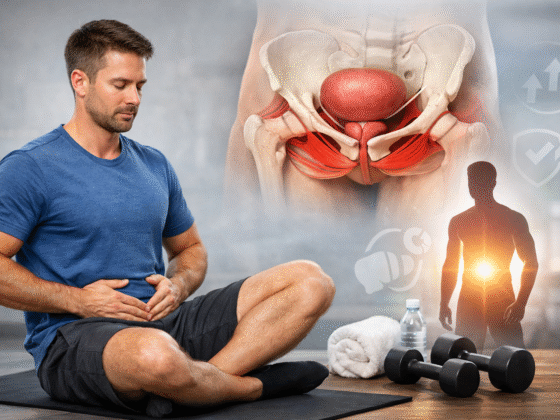
- Mindfulness & meditation: Just 10 minutes a day can lower cortisol and improve focus.
- Nature walks or cold showers: These reset your nervous system, improving overall balance.
- Deep breathing or box breathing: Engages your parasympathetic nervous system.
- Digital detox days: Help reduce constant dopamine spikes and sleep disruptions.
Chronic stress isn’t just mental—it’s metabolic. When stress gets managed, your body’s capacity for natural testosterone regulation improves dramatically.
You can also explore our curated Bathmate accessories designed to support self-care and performance—great tools to fold into a lifestyle of hormone awareness and balance.
Weight Management: The Hormonal Feedback Loop
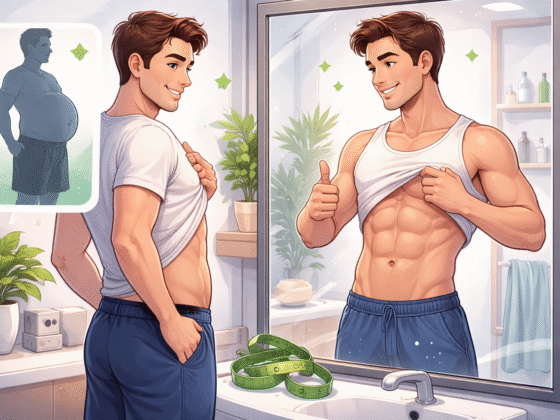
Carrying excess body fat—particularly around the midsection—triggers an increase in aromatase activity, an enzyme that converts testosterone into estrogen. That means fat gain isn’t just a cosmetic concern; it’s a hormonal disruptor.
Tips to Maintain a Healthy Weight:
- Combine resistance training with cardio or HIIT for metabolic flexibility.
- Avoid yo-yo dieting—long-term hormone balance depends on consistency.
- Ensure your diet is rich in protein, complex carbs, and good fats.
- Get adequate recovery between workouts to prevent cortisol overload.
Consistency wins over perfection. Remember, the long game is lifestyle hormone optimization, not overnight fixes.
For those already managing their weight and working toward long-term improvement, the HydroXtreme Kit can amplify confidence and results as part of a full-body transformation process.
Morning Rituals and Testosterone Boosting Habits
The habits you build into your morning and evening routines set the tone for your hormonal health. Testosterone levels peak in the early morning—optimizing your rituals can help you take full advantage of that natural rhythm.
A Sample Testosterone-Friendly Morning:
- Wake with natural light to reset your circadian rhythm.
- Hydrate with mineral-rich water (bonus if it includes a pinch of sea salt).
- Movement: 10–20 minutes of bodyweight training or walking.
- Protein-focused breakfast with healthy fats and a touch of complex carbs.
These testosterone boosting habits aren’t random—they’re structured to reinforce the natural ways to increase testosterone through your environment, your rhythm, and your routine.
Looking to supercharge your morning? Our HydroXtreme UltraMale Kit is crafted for men looking to level up their mornings both physically and mentally.
Beyond the Physical: Psychological Health & Male Vitality
While often ignored, emotional well-being and male self-perception have a surprising connection to hormone health. Confidence, autonomy, sexual satisfaction, and self-esteem all feed into a loop that supports vitality.
Low testosterone can cause a dip in these areas—but inversely, building these qualities can reinforce your body’s testosterone signals. This includes:
- Having meaningful goals
- Being in healthy relationships
- Creating time for play and novelty
- Taking control of your physical expression—your body, strength, and style
A confident man is often a hormonally healthy man.
Start here, and revisit our pumps collection for tools that reinforce not just performance, but personal pride and progress.
The Testosterone Diet Blueprint
Now that we’ve explored how sleep, exercise, stress, and habits shape your hormone health, it’s time to bring it all to the plate—literally. Your daily meals can be a powerful tool for natural testosterone regulation when approached strategically.
This isn’t about trends or extremes—it’s about fueling your endocrine system with foods that support testosterone production and overall vitality.
Testosterone Food Sources: What to Prioritize
Use these ingredients as foundational staples for a testosterone diet plan:
- Protein intake: Grass-fed beef, eggs, turkey, chicken, and plant-based proteins like lentils and quinoa.
- Zinc-rich foods: Pumpkin seeds, shellfish (especially oysters), and red meat.
- Magnesium-rich foods: Spinach, Swiss chard, almonds, and black beans.
- Healthy fats for hormones: Extra virgin olive oil, nuts, seeds, avocados.
- Fatty fish (omega‑3): Salmon, sardines, and mackerel support cellular and hormone health.
- Complex carbohydrates: Sweet potatoes, oats, legumes—support the relationship between carbohydrates and testosterone.
- Pomegranate testosterone foods: A glass of pomegranate juice or the fruit itself can aid in blood flow and testosterone support.
“The more nutrient-dense your plate, the stronger the signal you send to your hormonal system.”
Sample Daily Testosterone-Friendly Eating Schedule
Here’s a simple, whole-food approach that aligns with the testosterone boosting foods framework:
Breakfast
- 3 eggs (pasture-raised)
- Avocado slices
- Sweet potato hash
- Black coffee or green tea
Lunch
- Grilled chicken or salmon salad
- Mixed greens, olive oil + lemon dressing
- Pumpkin seeds + walnuts
Snack
- Pomegranate or berries
- Handful of almonds or Greek yogurt
Dinner
- Grass-fed steak or tofu stir-fry
- Steamed broccoli and quinoa
- Dark chocolate square (magnesium-rich)
Hydration tip: Add a pinch of sea salt to your water to aid mineral absorption.
If you’re implementing a testosterone-focused wellness routine, complement it with Bathmate’s HydroXtreme Pump for physical support that pairs seamlessly with your nutritional goals.
Bringing It All Together: The Lifestyle That Supports Hormones
By now, it’s clear: the path to optimized testosterone is multi-dimensional.
Let’s recap the framework for a lifestyle hormone optimization protocol:
1. Move Daily
Engage in resistance training, weight lifting, or HIIT 3–5 times per week.
2. Prioritize Recovery
Build better sleep quality, and balance training with rest.
3. Fuel Strategically
Build meals around testosterone food sources with rich nutrients and healthy fats.
4. Cut What Sabotages You
Reduce alcohol intake, eliminate processed foods, and manage stress to prevent hormonal decline.
5. Build Confidence & Ritual
Daily tools like the Hydro7 or other Bathmate products can support motivation, performance, and personal drive—both physically and mentally.
Final Thoughts: Your Hormones, Your Responsibility
You don’t need to chase shortcuts. What you need is alignment—between your habits, biology, and mindset. When you build testosterone-supportive choices into your routine, the results become inevitable.
Skip the pills. Choose the path that strengthens every part of you.
Ready to take the next step toward a naturally optimized you?
Explore our most advanced solution: the HydroXtreme UltraMale Kit—engineered for peak physical performance and self-driven results.
Frequently Asked Questions: Naturally Boosting Testosterone Without Supplements
1. How long does it take to see results from natural testosterone boosting methods?
Results vary depending on lifestyle and consistency, but noticeable improvements can begin within 3–6 weeks, especially with better sleep, dietary changes, and regular strength training. Full hormonal adaptations may take 3–6 months.
2. Can cold exposure or ice baths improve testosterone?
While some animal studies suggest cold exposure could influence hormone levels, human data is inconclusive. However, cold showers or ice baths can help reduce inflammation, enhance circulation, and support recovery—which indirectly supports hormone regulation.
3. Does sex or masturbation affect testosterone levels?
Frequent sexual activity can slightly increase testosterone, while chronic abstinence may temporarily lower it. Masturbation has minimal long-term effect, though excessive behavior linked with stress or sleep loss can impact hormonal balance.
4. What role does sunlight play in testosterone production?
Sunlight helps the body produce vitamin D, which is closely linked to testosterone levels. Aim for 15–30 minutes of direct sunlight daily, or consider a daylight lamp during dark seasons to maintain your natural vitamin D rhythm.
5. Can intermittent fasting boost testosterone naturally?
Some studies suggest intermittent fasting may improve insulin sensitivity and support hormone balance, which can indirectly benefit testosterone. However, excessive fasting or calorie restriction can backfire and suppress hormone levels.
6. Do certain essential oils or natural scents help testosterone?
Scents like pine, peppermint, and sandalwood may boost mood and reduce cortisol levels. While not directly raising testosterone, this stress reduction can support your body’s hormone-producing environment.
7. Is there a connection between gut health and testosterone?
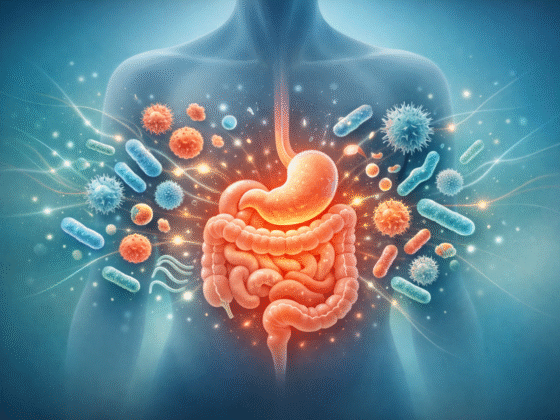
Yes. A healthy gut supports micronutrient absorption, reduces inflammation, and aids hormonal balance. Eating fiber-rich, probiotic foods like kimchi, kefir, and sauerkraut supports both digestion and testosterone levels.
8. How does alcohol directly affect testosterone production?
Alcohol disrupts the hypothalamic-pituitary-gonadal (HPG) axis, which controls hormone production. Even moderate drinking can reduce testosterone levels over time and impair sleep, libido, and recovery—all essential for hormone health.
9. Can too much cardio reduce testosterone?
Yes. Excessive endurance training (e.g., marathon running) can raise cortisol and suppress testosterone. Balance long-distance cardio with resistance training and rest days to avoid hormonal burnout.
10. Do plastics and environmental toxins really impact testosterone?
Yes. Chemicals like BPA, phthalates, and parabens—found in plastics, personal care products, and canned goods—can act as endocrine disruptors. Use glass, stainless steel, and natural grooming products where possible.