Confidence in your naked body isn’t about perfection — it’s about connection. In this article, we explore how body positivity links to sexual health, libido, hormonal regulation, and even your gut microbiome. From understanding the gut-brain axis and neurotransmitters to supporting testosterone levels and sexual function, we’ll break down the science behind self-assurance. You’ll also discover practical strategies to improve body image, enhance erectile function, and build confidence through self-care rituals, including tools like premium water-based pumps from Bathmate Direct. Because when you understand how your body works — biologically and psychologically — confidence stops being forced and starts becoming natural.
The Real Meaning of Body Confidence
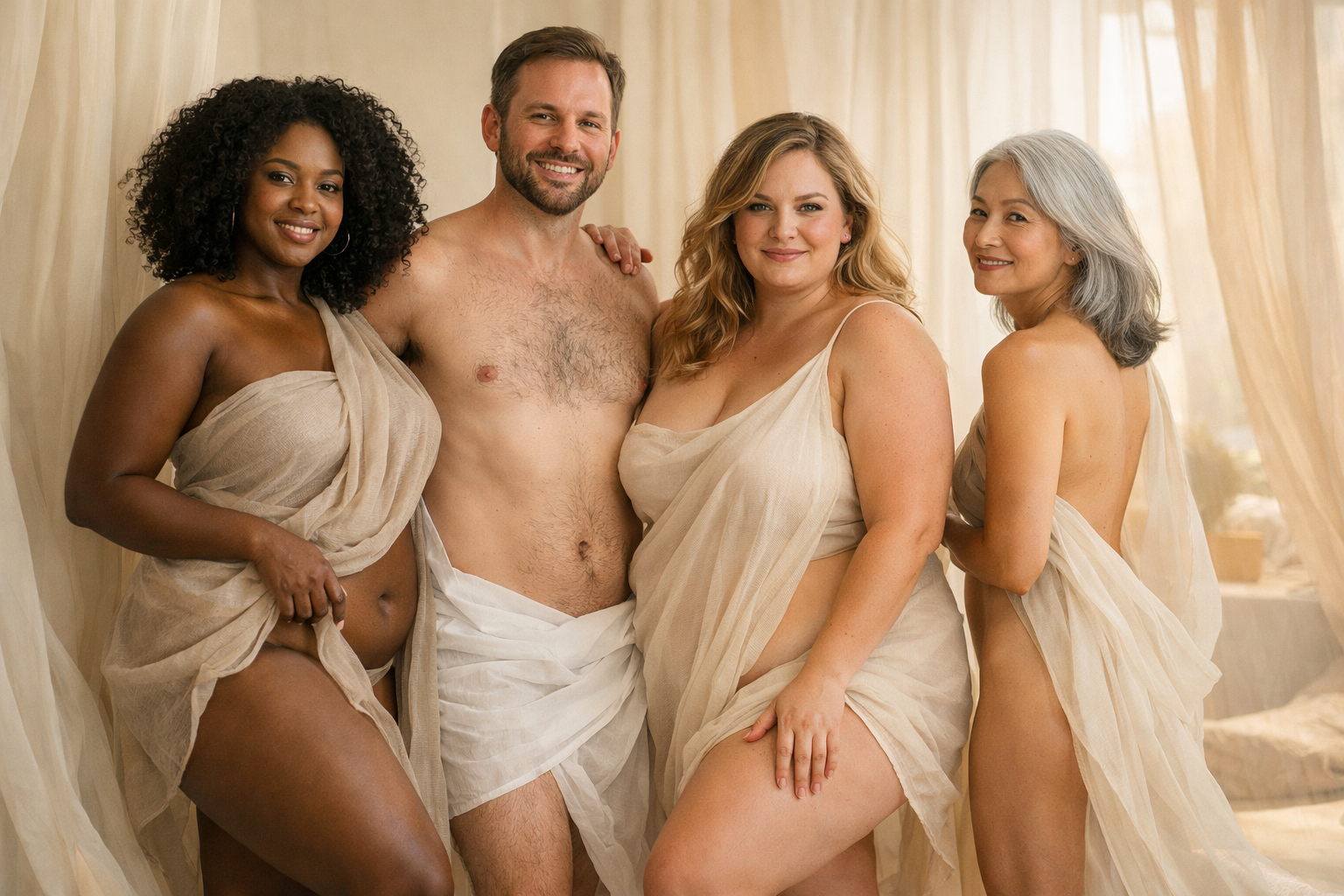
Body positivity is often reduced to affirmations and filtered photos. But genuine confidence — especially when naked — is rooted in something deeper: understanding your biology, honoring your physiology, and embracing how your body functions.
Getting Naked With Confidence: Tips for Body Positivity isn’t about ignoring insecurities. It’s about dismantling them.
Your body is not just skin and muscle. It’s:
- Hormonal regulation in motion
- Neurotransmitters firing between gut and brain
- Immune function protecting you daily
- Sex hormones shaping desire and drive
- Microbial ecosystems influencing mood and libido
Confidence starts with awareness.
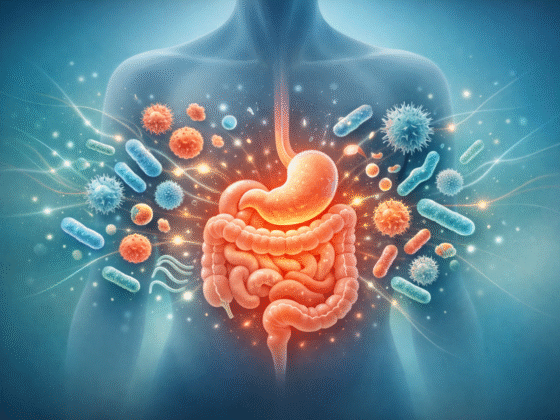
You might not expect the gut microbiome to influence how you feel about your naked body — but it does.
The gut-brain axis describes the bidirectional communication between your digestive system and your brain. Through metabolite signaling and neurotransmitters like serotonin and dopamine, your gut microbiota can affect:
- Mood
- Stress levels
- Sexual desire
- Confidence
- Body perception
In fact, up to 90% of serotonin is produced in the gut. When microbial diversity is compromised — a state known as dysbiosis (microbial imbalance) — it can trigger systemic inflammation, disrupt hormone metabolism, and lower libido.
This is part of the broader gut-sex connection — where sex hormone-microbiome interaction affects testosterone, estrogen, and overall sexual function.
When your internal chemistry is balanced, confidence follows naturally.
Hormones, Libido, and Self-Perception
Body confidence is inseparable from hormonal health.
Your levels of:
- Testosterone
- Estrogen
- Progesterone
… directly impact sexual health, arousal, and energy.
Low testosterone in men, for example, can contribute to erectile dysfunction (ED), reduced libido, and lower self-esteem. Meanwhile, estrogen fluctuations can influence mood and reproductive health.
The emerging concept of the hormone-microbiome axis suggests that gut microbiota play a role in hormonal regulation. Through short-chain fatty acids (SCFAs) and gut endocrine signaling, your digestive system helps metabolize and regulate sex hormones.
Which means body positivity is not purely psychological. It’s physiological.
Sexual Function and Confidence: A Two-Way Street
Sexual function and body confidence exist in a feedback loop.
If you feel insecure about your body, stress increases. Stress disrupts hormonal balance and gut-mental health interactions. That can reduce libido and affect performance. Which then reinforces insecurity.
This is where tools and self-care rituals become powerful.
Exploring premium water-based pumps like those available in the Penis Pumps Collection can help men:
- Improve erectile function
- Enhance blood flow
- Support sexual health
- Increase body awareness
- Build measurable confidence
For instance, the HydroXtreme Pump is engineered for advanced users seeking maximum performance. Water-based vacuum technology creates uniform pressure, encouraging better circulation and stronger erections.
Confidence grows when you feel in control of your body.
Similarly, the Hydromax Lander is ideal for beginners, offering a balanced introduction to performance enhancement without overwhelm.
Physical empowerment feeds psychological empowerment.
The Science of Feeling Good Naked
Let’s go deeper.
When you support microbial diversity through probiotics / prebiotics, balanced nutrition, and stress reduction, you strengthen immune function and reduce systemic inflammation.
That impacts:
- Mood stability
- Hormone metabolism
- Sexual dysfunction biomarkers
- Sexual behavior and microbiome patterns
- Gut-immune-sex link mechanisms
Even sex-specific microbial patterns differ between males and females, influencing how testosterone and estrogen are processed.
This microbiota-gut-brain axis is not abstract science — it’s happening in you right now.
And when your biology is aligned, your reflection in the mirror feels different.
Confidence Is Built Through Ritual
Body positivity doesn’t arrive overnight. It’s built through:
- Consistent self-care
- Physical awareness
- Sexual empowerment
- Biological support
For those ready to elevate their routine, advanced systems like the HydroXtreme Kit or the high-performance HydroXtreme UltraMale Kit combine pumping technology with essential tools designed to optimize sexual function safely.
Pairing these with supportive gear from the Bathmate Accessories collection ensures comfort, hygiene, and consistency.
Ritual builds familiarity. Familiarity builds confidence.
And confidence transforms how you inhabit your naked body.
Stress, Shame, and the Gut–Mental Health Loop
Chronic stress disrupts the gut-brain axis. Elevated cortisol affects:
- Hormone metabolism
- Testosterone production
- Estrogen balance
- Neurotransmitters like serotonin and dopamine
- Sexual desire and performance
When stress becomes persistent, it contributes to dysbiosis (microbial imbalance), weakening immune function and increasing systemic inflammation. That inflammation doesn’t just affect digestion — it influences mood, body perception, and arousal.
This is part of the broader gut-mental health interactions (mood, stress, desire) pattern researchers are now exploring under the microbiota-gut-brain axis framework.
To interrupt this loop:
- Prioritize sleep (7–9 hours)
- Reduce ultra-processed foods
- Increase fiber for short-chain fatty acids (SCFAs)
- Consider probiotics / prebiotics to support microbial diversity
- Practice breathwork to calm nervous system activation
Small changes alter metabolite signaling. Altered signaling influences hormone-microbiome axis dynamics. And when your internal environment stabilizes, your confidence follows.
Standing Naked Without Judgment
Most insecurity is anticipatory. You assume what others will think before they even look.
Try this instead:
- Stand in front of a mirror for two minutes daily.
- Observe without commentary.
- Focus on function over appearance.
Your body is capable of:
- Arousal and sexual pleasure
- Hormonal regulation
- Reproductive health
- Physical endurance
- Immune defense
Shift from “How do I look?” to “How does my body serve me?”
This subtle psychological reframe supports healthier neurotransmitter balance and reduces stress-induced inflammation.
Supporting Sexual Confidence Through Measurable Progress
Confidence grows fastest when it’s tangible.
Sexual health is not abstract — it can be trained and improved.
Consistent use of performance-enhancing tools like the Hydro7 provides a structured way to improve blood flow and erectile function safely. Designed with water-based vacuum technology, it promotes enhanced circulation — a key factor in addressing erectile dysfunction (ED) concerns and strengthening overall sexual function.
Progress is motivating.
When you see improvement in firmness, stamina, and responsiveness, psychological confidence rises in parallel.
This also ties into the emerging discussion around sexual dysfunction biomarkers — measurable indicators of performance health that can improve through better circulation, hormonal balance, and reduced inflammation.
You are not powerless over your performance. You can influence it.
The Gut-Sex Connection in Daily Life
Let’s connect the dots clearly.
The gut-sex connection is not theoretical. It operates through:
- Sex hormone-microbiome interaction
- Gut endocrine signaling
- Metabolite signaling that influences testosterone
- Microbiome-targeted interventions that alter systemic inflammation
- Sexual behavior changes gut microbiome patterns
For example:
- Exercise improves microbial diversity and boosts testosterone.
- Intimacy and sexual activity may positively influence microbial balance.
- Stress reduction supports hormone metabolism and libido stability.
Even research into fecal microbiota transplantation (experimental) highlights how profoundly the gut microbiota can influence systemic health — including hormonal environments.
When your internal systems are supported, sexual confidence becomes sustainable instead of fragile.
Building a Body-Positive Environment
Your surroundings matter.
Confidence increases when you:
- Wear fabrics that feel good on skin
- Improve lighting in intimate spaces
- Maintain grooming rituals that make you feel deliberate
- Use accessories that support hygiene and comfort
Consistency enhances embodiment. Explore supportive tools and maintenance products within the Bathmate Accessories range to create a routine that feels intentional rather than rushed.
Ritual transforms awkwardness into ownership.
Reclaiming Ownership of Desire
Libido (sexual desire) fluctuates — but it is not random.
It is shaped by:
- Testosterone levels
- Estrogen balance
- Progesterone rhythms
- Gut-immune-sex link activity
- Stress hormones
- Sleep quality
Understanding that sexual desire is biological — not purely psychological — removes shame.
If libido dips, investigate:
- Sleep
- Nutrition
- Gut microbiome balance
- Hormonal regulation
- Physical circulation
Confidence is not pretending everything works perfectly. It’s knowing how to respond when it doesn’t.
Redefining Masculine Body Positivity
Body positivity often excludes men from the conversation. But male insecurity is real — especially around sexual performance.
Performance anxiety can:
- Reduce testosterone temporarily
- Disrupt neurotransmitter balance
- Increase systemic inflammation
- Weaken erections
Breaking that cycle requires both psychological and physical action.
Training your body — improving circulation, supporting hormone metabolism, reducing stress — builds resilience.
You don’t gain confidence by ignoring insecurity.
You gain it by confronting biology, supporting it intelligently, and witnessing improvement.
Aligning Your Internal Systems
Let’s zoom out.
Your body operates through layered systems:
- The gut microbiome regulating metabolite signaling
- The gut-brain axis shaping mood and motivation
- Sex hormones influencing libido and sexual function
- Immune function protecting systemic balance
- Hormone metabolism adjusting testosterone and estrogen levels
These systems don’t work in isolation. They operate through constant feedback loops — a living example of bidirectional communication.
When microbial diversity thrives, systemic inflammation lowers.
When inflammation lowers, hormone-microbiome axis stability improves.
When hormones stabilize, libido and erectile strength improve.
When sexual function improves, self-perception strengthens.
That is the gut-sex connection in action.
Confidence becomes the natural byproduct of internal equilibrium.
The Physical Confidence Blueprint
Long-term body positivity requires consistency.
Here is a practical framework you can implement immediately:
1. Support Your Microbiota
- Eat fiber-rich foods to promote short-chain fatty acids (SCFAs)
- Include fermented foods for natural probiotics / prebiotics
- Reduce excess sugar to prevent dysbiosis (microbial imbalance)
2. Protect Hormonal Regulation
- Lift weights to stimulate testosterone
- Sleep consistently to stabilize hormone metabolism
- Reduce chronic stress to prevent cortisol suppression of libido
3. Train Sexual Function
- Prioritize circulation
- Build stamina gradually
- Use structured performance tools intentionally
Advanced systems like the HydroXtreme Pump are engineered for users seeking maximum control over pressure and performance. Water-based vacuum therapy promotes stronger blood flow — directly supporting erectile function and measurable improvement.
For those seeking a complete upgrade experience, the HydroXtreme UltraMale Kit offers an integrated approach to performance enhancement and maintenance.
Confidence grows when progress is observable.
Reframing Erectile Dysfunction and Performance Anxiety
Erectile dysfunction (ED) is often treated as a personal failure. In reality, it’s frequently influenced by:
- Hormonal imbalance
- Systemic inflammation
- Stress-driven neurotransmitter disruption
- Reduced circulation
- Gut-immune-sex link instability
Understanding that ED can have physiological roots — including links to the gut microbiota and sex hormone-microbiome interaction — removes unnecessary shame.
You’re not broken. You’re biological.
And biology can be optimized.
The combination of lifestyle alignment, microbiome-targeted interventions, and structured sexual training shifts the narrative from embarrassment to empowerment.
Sexual Behavior and the Microbiome
Emerging research suggests sexual behavior changes gut microbiome patterns. That means intimacy itself may influence microbial diversity and metabolite signaling.
It also highlights something important:
Sexual health is not separate from overall health.
Reproductive health, libido stability, immune strength, and even mood are interconnected through the microbiota-gut-brain axis.
This reinforces why Getting Naked With Confidence: Tips for Body Positivity is not merely about appearance.
It’s about internal coherence.
Confidence Is Identity, Not Performance
Eventually, the rituals become normal.
You nourish your gut microbiome.
You support hormonal balance.
You maintain circulation.
You track progress.
At some point, you stop “trying to feel confident.”
You simply are.
Confidence shifts from outcome-based (“Did I perform well?”) to identity-based (“I take care of my body.”).
That identity is built through:
- Awareness of the gut-sex connection
- Respect for your hormonal system
- Commitment to sexual health
- Consistent performance training
- Elimination of shame-based narratives
The Final Perspective
Body positivity is not denial.
It’s ownership.
Your body is not static. It’s dynamic — shaped by microbial ecosystems, neurotransmitters, hormone metabolism, and lived experience.
When you align:
- Microbial ecology
- Hormonal regulation
- Sexual function
- Psychological resilience
… you stop hiding from mirrors.
You stand comfortably in your own skin.
And that is the true essence of getting naked with confidence.
Frequently Asked Questions
Below are 10 of the most commonly asked questions around Getting Naked With Confidence: Tips for Body Positivity, focusing on areas we haven’t directly covered in the main article.
1. Is body positivity the same as body confidence?
Not exactly. Body positivity is the broader philosophy of accepting and respecting all body types. Body confidence is more personal — it’s how secure and comfortable you feel in your own skin. You can believe in body positivity as a concept and still be actively working on your individual confidence.
2. How long does it take to feel confident naked?
There’s no universal timeline. For some, it’s a few weeks of intentional self-work. For others, it’s months of gradual mindset shifts and physical self-care. Confidence builds through repetition, exposure, and measurable progress — not overnight transformation.
3. Can social comparison ruin body confidence?
Yes. Constant exposure to unrealistic physiques — especially on social media — can distort perception. Many images are filtered, enhanced, or staged. Limiting comparison and focusing on personal growth metrics (strength, endurance, sexual performance, energy levels) is far more productive.
4. Does age affect body confidence?
Age changes the body, but it doesn’t eliminate confidence. In fact, many people report greater body acceptance with maturity. Hormonal shifts, metabolism changes, and sexual function may evolve — but understanding and adapting to those changes often strengthens long-term self-assurance.
5. What role does communication play in feeling confident with a partner?
A significant one. Open communication reduces performance anxiety and unrealistic expectations. Expressing preferences, boundaries, and insecurities often deepens intimacy — and intimacy naturally enhances confidence.
6. Can improving physical fitness alone fix body insecurity?
Fitness helps, but it’s not a cure-all. You can be in excellent shape and still struggle with self-perception. Confidence comes from combining physical care, psychological reframing, and consistent self-respect — not from chasing aesthetic perfection.
7. Is it normal to feel vulnerable when naked?
Completely. Vulnerability is part of intimacy. The goal isn’t to eliminate vulnerability — it’s to become comfortable with it. When you normalize the feeling rather than resisting it, it loses its intensity.
8. How do I stop overthinking during intimate moments?
Overthinking usually stems from self-monitoring. Shift focus outward — on sensation, breathing, and connection rather than performance evaluation. Mindfulness practices outside the bedroom often translate directly into calmer, more present intimacy.
9. Can clothing choices influence how confident I feel naked?
Surprisingly, yes. Wearing well-fitted clothing that complements your body can improve posture and self-perception throughout the day. That positive feedback often carries over into how you feel without clothing.
10. What is the biggest misconception about body positivity?
That it means “never wanting to improve.” Body positivity is not complacency. It’s about pursuing growth — physical, sexual, emotional — without shame. Improvement driven by self-respect builds confidence. Improvement driven by insecurity reinforces it.