Your gut microbiome—the vast ecosystem of bacteria living inside your digestive tract—plays a powerful role in sexual health and sexual function. It influences testosterone and estrogen levels, regulates inflammation, produces key neurotransmitters like serotonin and dopamine, and even shapes erectile strength and libido. When microbiome diversity is disrupted (a state known as dysbiosis), issues such as low libido, erectile dysfunction (ED), and hormonal imbalance can follow. Diet, stress, antibiotics, and lifestyle all influence this delicate ecosystem. Supporting gut health may be one of the most overlooked strategies for improving performance, confidence, and long-term reproductive health.
Most men think sexual performance begins and ends below the waist.
It doesn’t.
It starts in your gut.
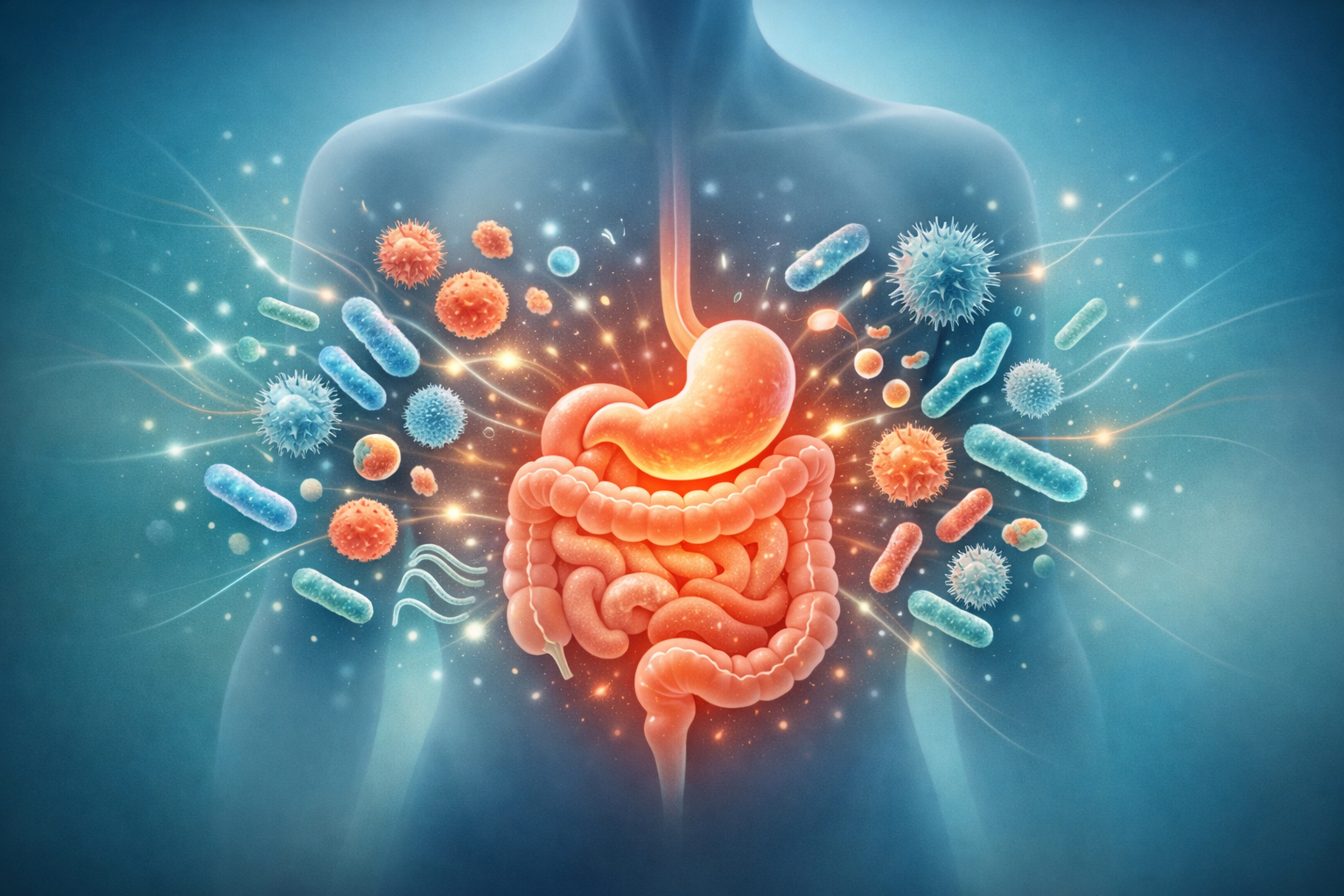
Inside your digestive system lives the gut microbiome (also known as the gut microbiota): trillions of microbes—Firmicutes, Bacteroidetes, Actinobacteria, Ruminococcus, Bifidobacterium, Prevotella, Lactobacillus—working around the clock to regulate digestion, immunity, and surprisingly, your sexual function.
This isn’t hype. It’s biology.
Researchers increasingly refer to the gut-sex connection to describe how microbial balance influences libido, erection quality, hormone production, and even reproductive health. When microbiome diversity thrives, your body’s systems communicate efficiently. When imbalance—dysbiosis—sets in, the ripple effects are everywhere.
Including your erection.
Your Microbiome Is a Hormone Regulator
Your gut doesn’t just digest food. It participates in hormonal regulation.
Through complex endocrine signaling pathways, microbes help:
- Modulate testosterone levels
- Influence estrogen metabolism via the estrobolome
- Support adrenal hormone balance
- Regulate cortisol (your stress hormone)
There’s even a growing field studying the microgenderome—the idea that sex hormones shape microbiota composition and that microbiota, in turn, reshape hormonal output. This biological feedback loop contributes to sexual dimorphism: differences in male and female physiology driven partly by microbial composition.
When microbial diversity drops, systemic inflammation often rises. Chronic inflammation can interfere with blood vessel health, endothelial function, and nitric oxide production—all critical for erection strength.
Which explains why men dealing with erectile dysfunction (ED) often show reduced microbiome diversity.
Strong erections are vascular events.
Healthy blood vessels require low inflammation.
Low inflammation often starts in the gut.
The Gut-Brain-Axis: Libido Starts in the Head (and the Belly)
Desire is neurological before it’s physical.
The gut-brain axis—the bidirectional communication network between your gut microbiota and nervous system—controls the production of neurotransmitters like:
- Serotonin
- Dopamine
Both heavily influence libido, mood, and sexual motivation.
In fact, a large percentage of the body’s serotonin is produced in the gut.
If microbial balance falters, neurotransmitter production can shift. The result?
- Low libido
- Reduced arousal
- Performance anxiety
- Blunted pleasure response
Stress compounds the issue. Chronic psychological stress alters gut permeability and microbiome composition, increasing inflammation and disrupting sexual function.
This is why sexual health is never purely mechanical.
It’s biochemical.
Inflammation: The Silent Performance Killer
When gut barrier integrity weakens, bacterial by-products enter circulation. The immune system reacts. Inflammation rises.
This state—often subtle, rarely obvious—can:
- Reduce nitric oxide availability
- Impair vascular dilation
- Lower testosterone
- Increase fatigue
- Disrupt mood
Short-chain fatty acids (SCFAs), produced by beneficial microbes when you consume fiber, help regulate immune function and reduce systemic inflammation. Without adequate SCFA production, the inflammatory cascade accelerates.
And inflammation does not support peak sexual performance.
Microbiome Diversity and Erection Quality
Emerging research links reduced microbial diversity to:
- Erectile dysfunction
- Hypoactive sexual desire disorder (HSDD)
- Polycystic ovary syndrome (PCOS)
- Immune-mediated inflammatory conditions
While these conditions differ, a common theme appears: disrupted microbiome balance affecting endocrine signaling, vascular function, and metabolic health.
Your metabolome—the collection of microbial metabolites circulating in your system—directly influences hormone activity, insulin sensitivity, and blood flow.
Blood flow matters.
Which is why many men pair internal health strategies with external performance support tools like the HydroXtreme Pump or the precision-engineered Hydromax Lander. While devices enhance circulation mechanically, optimizing your internal biology strengthens the foundation.
One works from the outside in.
The other from the inside out.
Diet: The Fastest Way to Influence the Gut-Sex Connection
Your microbiome responds rapidly to what you eat.
High-fiber foods increase SCFA production. Fermented foods promote Lactobacillus and Bifidobacterium growth. Polyphenols from berries and olive oil nourish beneficial strains.
Conversely:
- Excess refined sugar
- Ultra-processed foods
- Chronic alcohol consumption
- Repeated antibiotic use
…can reduce microbial diversity and promote dysbiosis.
Even short courses of antibiotics may temporarily disrupt microbiota balance, with downstream effects on immune function and hormone metabolism.
Food is not just fuel.
It’s microbial instruction.
Lifestyle Shapes Your Microbial Signature
Microbiome composition is influenced by:
- Stress levels
- Sleep quality
- Environmental exposures
- Physical activity
- Sexual activity itself
Your lifestyle and environment shape sex-specific microbiomes. This biological individuality explains why two men can follow identical training plans yet experience very different sexual health outcomes.
Supporting gut health is not about perfection. It’s about consistency.
And when internal balance improves, performance often follows.
Testosterone, the Microbiome, and the Performance Equation
If libido had a currency, it would be testosterone.
But testosterone doesn’t operate in isolation. It exists within a network of endocrine signaling pathways heavily influenced by the gut microbiota. Certain bacterial communities help regulate how hormones are metabolized, reabsorbed, and circulated throughout the body.
This is where the estrobolome becomes relevant. While commonly discussed in relation to estrogen metabolism, it demonstrates a broader principle: gut microbes influence how sex hormones are processed. The same microbial balance that affects estrogen recycling can indirectly shape androgen balance.
Low microbial diversity has been associated with:
- Lower circulating testosterone
- Higher systemic inflammation
- Impaired insulin sensitivity
- Increased abdominal fat accumulation
Each of these factors independently correlates with reduced sexual function. Together, they form a feedback loop.
When testosterone declines:
- Libido weakens
- Energy dips
- Erectile rigidity suffers
- Recovery slows
When inflammation rises:
- Endothelial function decreases
- Nitric oxide production drops
- Blood flow becomes less efficient
The gut-sex connection becomes less theoretical and more mechanical at this point. Hormonal regulation and vascular health converge.
Blood Flow: Where Biology Meets Mechanics
An erection is fundamentally a vascular event.
Healthy arteries expand. Blood fills erectile tissue. Pressure builds. Rigidity follows.
Chronic inflammation—often fueled by dysbiosis—damages the endothelium (the inner lining of blood vessels). This reduces nitric oxide availability, a molecule essential for vasodilation.
No nitric oxide.
No expansion.
No optimal erection.
This is why improving microbiome balance can complement mechanical enhancement strategies.
Men looking to maximize performance often turn to advanced water-based pumping systems like the Hydro7 for precision sizing and controlled pressure, or the comprehensive HydroXtreme Kit for a complete enhancement setup.
External stimulation increases localized blood flow.
Internal optimization improves vascular responsiveness.
Together, they create synergy.
But without internal balance, mechanical tools are working against inflammatory resistance.
The Microbiome and Low Libido
Low libido is often blamed on stress or age. Sometimes it is.
But microbial imbalance may also contribute.
Through the gut-brain axis, microbiota influence dopamine pathways—central to motivation and reward. When microbial composition shifts, neurotransmitter production can change. The result can be subtle:
- Reduced spontaneous desire
- Decreased morning erections
- Blunted arousal response
- Lower sexual confidence
Men experiencing these shifts sometimes assume it’s purely psychological. Yet stress itself alters microbiome composition, increasing intestinal permeability and reducing beneficial bacteria like Bifidobacterium and Lactobacillus.
This creates a loop:
Stress → Dysbiosis → Neurotransmitter disruption → Lower libido → More stress.
Breaking that loop often requires both psychological and physiological intervention.
PCOS, Inflammation, and Sexual Dimorphism
Though primarily discussed in women, polycystic ovary syndrome (PCOS) illustrates how microbial imbalance can disrupt hormone signaling. Dysbiosis has been observed in individuals with PCOS, alongside increased inflammation and altered metabolic markers.
Why does this matter in a male-focused discussion?
Because it highlights sexual dimorphism—the biological differences between sexes that are partially shaped by microbiome composition. The microgenderome concept suggests that hormonal differences influence microbial ecosystems, which in turn reinforce those hormonal patterns.
In men, altered microbiota may influence:
- Androgen metabolism
- Fat distribution
- Insulin sensitivity
- Inflammatory tone
These factors all intersect with erectile quality and reproductive health.
Understanding this system reframes sexual optimization as a whole-body process rather than a localized one.
Short-Chain Fatty Acids: Small Molecules, Big Impact
Short-chain fatty acids (SCFAs)—produced when gut bacteria ferment dietary fiber—are among the most important microbial metabolites affecting sexual health.
They:
- Reduce systemic inflammation
- Support immune function
- Improve gut barrier integrity
- Influence hormone signaling
Low fiber intake reduces SCFA production. Reduced SCFAs increase inflammatory signaling. Elevated inflammation compromises vascular efficiency.
It’s not dramatic. It’s gradual.
And that gradual decline often shows up first in sexual performance before anywhere else.
Antibiotics, Modern Living, and Performance Drift
Antibiotic use can significantly disrupt microbial balance. While necessary in many cases, repeated or unnecessary courses may reduce microbiome diversity long term.
Combine that with:
- Ultra-processed diets
- Sedentary lifestyles
- Chronic stress
- Poor sleep
…and the modern male microbiome begins to drift away from resilience.
This drift doesn’t announce itself loudly. It whispers:
- Slightly weaker erections
- Longer recovery times
- Reduced drive
- Lower endurance
Men often compensate externally—caffeine, supplements, stimulation devices—without addressing the internal ecosystem.
That’s not wrong. But it’s incomplete.
Integrated Optimization: Internal and External Alignment
Sexual performance exists at the intersection of:
- Hormonal balance
- Vascular health
- Neurological signaling
- Psychological state
- Mechanical stimulation
Supporting internal systems while refining external performance tools creates compound gains.
For men seeking a premium enhancement experience, the HydroXtreme UltraMale Kit offers advanced control and complete integration. Proper maintenance and performance optimization are further supported through purpose-built tools found in the Bathmate Accessories collection.
But even the most advanced equipment performs best when the body itself is optimized.
The microbiome is not an abstract concept. It’s a regulator of inflammation, a mediator of endocrine signaling, and a producer of metabolites that influence nearly every biological system tied to sexual health.
Understanding the biology is powerful.
Applying it is transformative.
If the gut microbiome influences hormonal regulation, inflammation, neurotransmitters, immune function, and vascular performance, then improving microbial balance becomes a strategic move—not just for digestion, but for libido, erection quality, and long-term sexual health.
Here’s how to translate science into action.
1. Feed the Right Microbes
Your microbiota respond quickly to dietary shifts. Within days, microbial populations can expand or contract based on what you eat.
Prioritize:
- High-fiber vegetables (leafy greens, cruciferous vegetables, root vegetables)
- Legumes and resistant starches
- Fermented foods (kimchi, kefir, sauerkraut, yogurt)
- Polyphenol-rich foods (berries, olive oil, dark chocolate)
Fiber fermentation fuels the production of short-chain fatty acids (SCFAs), which:
- Reduce systemic inflammation
- Strengthen gut barrier integrity
- Support endocrine signaling
- Improve vascular responsiveness
Think of fiber as performance nutrition for your microbes.
Without it, beneficial strains like Bifidobacterium and Lactobacillus struggle to compete against less favorable species.
2. Reduce Inflammatory Inputs
Chronic low-grade inflammation undermines nitric oxide production and damages vascular tissue.
To minimize inflammatory load:
- Limit ultra-processed foods
- Reduce excess refined sugar
- Moderate alcohol intake
- Prioritize omega-3-rich foods
- Sleep 7–9 hours consistently
Sleep alone has measurable effects on both testosterone levels and microbial diversity. Poor sleep alters the gut-brain axis and increases cortisol, which can disrupt libido and erectile quality.
Your microbiome thrives on rhythm. So does your endocrine system.
3. Use Antibiotics Wisely
Antibiotics are sometimes essential. But unnecessary or repeated use can disrupt microbiome diversity for months.
After a course of antibiotics, consider:
- Increasing fermented food intake
- Consuming diverse plant fibers
- Supporting recovery with targeted probiotics (if appropriate)
Microbial ecosystems can recover—but they need intentional support.
4. Manage Stress to Protect the Gut-Brain Axis
Psychological stress reshapes the gut microbiota and increases intestinal permeability. This can lead to elevated systemic inflammation and altered neurotransmitter production.
To protect libido and sexual function:
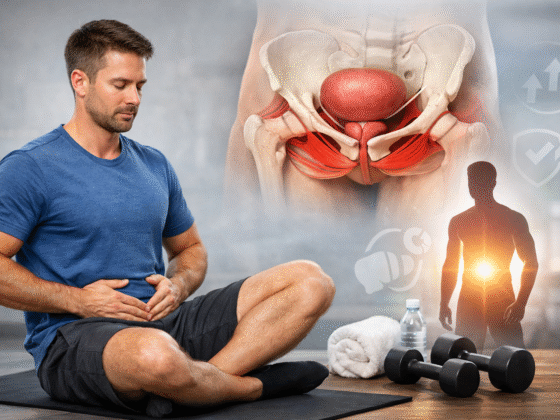
- Incorporate resistance training
- Practice breathwork or meditation
- Reduce chronic overexertion
- Spend time outdoors
Even moderate exercise improves microbial diversity and supports endothelial function.
When stress decreases, dopamine regulation stabilizes. Libido often follows.
5. Support Blood Flow Directly
While internal balance strengthens vascular health over time, mechanical support can enhance circulation immediately.
Water-based pumping systems create controlled negative pressure that encourages blood flow into erectile tissue. When used consistently and correctly, they can complement improvements in vascular responsiveness.
For example, the precision-designed HydroXtreme Pump uses hydropump technology to optimize expansion and comfort, while the sizing-specific Hydromax Lander offers targeted performance enhancement for beginners and experienced users alike.
The key principle:
Stronger blood vessels internally + enhanced circulation externally = improved performance synergy.
6. Think Long-Term: Microbial Resilience Over Quick Fixes
Trends come and go. Extreme diets spike and crash. Supplements promise instant transformation.
But microbiome optimization is cumulative.
You are cultivating an ecosystem.
The balance between Firmicutes, Bacteroidetes, and other microbial populations shapes your metabolome—the collection of microbial metabolites influencing inflammation, hormone metabolism, and vascular function.
Small, consistent inputs compound:
- Daily fiber intake
- Regular movement
- Sleep consistency
- Stress management
- Hydration
Over time, these habits reinforce microbial resilience and endocrine stability.
Emerging Therapies and Future Directions
Research continues to explore advanced strategies such as fecal microbiota transplantation (FMT) for severe dysbiosis. While not a mainstream sexual health intervention, it highlights how central microbial balance is becoming in modern medicine.
As our understanding of the microgenderome and sexual dimorphism deepens, future treatments may become increasingly personalized—tailored not just to hormone levels, but to individual microbiome signatures.
The future of sexual optimization may very well begin in the gut.
The Integrated Performance Model
When you zoom out, the system becomes clear.
Sexual performance is not isolated to one organ or one hormone. It is the product of:
- A balanced gut microbiome
- Efficient endocrine signaling
- Low systemic inflammation
- Healthy vascular tissue
- Stable neurotransmitter production
- Confident mechanical execution
Neglect any one of these, and performance can decline.
Strengthen them together, and results compound.
Final Thoughts
The phrase The Gut-Sex Connection: Why Your Microbiome Matters isn’t a trend—it’s a biological reality.
Your gut microbiota influence testosterone metabolism, nitric oxide availability, inflammation levels, dopamine regulation, and overall sexual function. Dysbiosis can quietly undermine performance long before obvious symptoms appear.
But the opposite is also true.
When you support microbial diversity through diet, stress management, movement, and smart recovery—while enhancing circulation with precision-engineered tools—you create alignment between internal biology and external performance.
Sexual health isn’t just about what you do in the moment.
It’s about the ecosystem you build every day.
Frequently Asked Questions
1. Can improving gut health really increase testosterone levels?
Emerging research suggests that the gut microbiome plays a role in hormonal regulation, including how testosterone is metabolized and circulated. Certain microbial communities influence endocrine signaling and inflammation levels, both of which impact testosterone production. While improving gut health isn’t a guaranteed testosterone booster, supporting microbiome diversity may create a more favorable hormonal environment.
2. How long does it take to see sexual health improvements after improving gut health?
Microbial shifts can occur within days of dietary changes, but noticeable improvements in libido, erection quality, and energy levels typically take several weeks. Hormonal regulation, reduced systemic inflammation, and improved vascular function are cumulative processes. Consistency matters more than speed.
3. Can probiotics help with erectile dysfunction?
Probiotics may support microbiome balance, reduce inflammation, and improve gut barrier integrity. Because erectile dysfunction is often linked to vascular health and inflammation, restoring microbial balance may indirectly support erection quality. However, probiotics are not a standalone treatment and work best as part of a broader lifestyle strategy.
4. Is low libido always connected to gut health?
No. Low libido can result from psychological factors, hormonal imbalance, medication side effects, sleep deprivation, or relationship stress. However, the gut-brain axis and neurotransmitter production mean microbiome imbalance can be one contributing factor—especially when low libido appears alongside digestive issues or chronic inflammation.
5. Does poor digestion mean my sexual health is at risk?
Not necessarily, but digestive symptoms like bloating, irregular bowel movements, or food sensitivities can signal dysbiosis. Since microbiome imbalance influences immune function, hormone metabolism, and inflammation, unresolved gut issues may eventually impact sexual function if left unaddressed.
6. Can stress alone disrupt the gut enough to affect erections?
Yes. Chronic stress elevates cortisol, which can alter gut microbiota composition and increase intestinal permeability. This may raise systemic inflammation and interfere with nitric oxide production—both critical for erectile performance. Stress management is a legitimate component of sexual health optimization.
7. Are there specific foods that directly boost libido through the microbiome?
There isn’t a single “libido food,” but high-fiber vegetables, fermented foods, and polyphenol-rich plant foods support beneficial bacteria that produce short-chain fatty acids (SCFAs). These microbial metabolites help reduce inflammation and support vascular health—two foundations of healthy sexual function.
8. Does age reduce microbiome diversity and sexual performance at the same time?
Aging is associated with changes in both microbial diversity and hormone levels. Reduced microbiome resilience, combined with declining testosterone and vascular elasticity, can contribute to performance changes. However, diet, movement, and lifestyle interventions can meaningfully slow or offset these shifts.
9. Can gut health influence fertility as well as performance?
Yes. The microbiome influences reproductive health through immune modulation, inflammation control, and hormone metabolism. Imbalances may affect sperm quality, motility, and overall reproductive function. Supporting microbial balance can therefore play a role in both performance and fertility.
10. Is focusing on gut health enough to fully optimize sexual performance?
Gut health is foundational—but not singular. Sexual performance depends on multiple systems working together: hormonal balance, vascular integrity, neurological signaling, psychological state, and mechanical factors. Optimizing the microbiome strengthens the biological base, but the best results come from integrating internal health with targeted performance strategies.