Last Updated on 26th January 2026 by Charlie Walsh
Overtraining isn’t just a concern for athletes or bodybuilders—it can have serious consequences for your sexual wellness, hormonal balance, and long-term performance. While regular physical activity boosts testosterone, improves blood flow, and supports sexual vitality, pushing past your limits too frequently can trigger overtraining syndrome, leading to low libido, erectile dysfunction (ED), and a cascade of hormonal disruptions.
In this article, we explore how exercise intensity and training duration can alter your hormonal axis, undermine vascular health, and contribute to symptoms like sexual fatigue, impotence, and emotional burnout. We’ll also walk you through how to recognize the warning signs of overtraining, understand its physiological toll, and most importantly—how to strike a healthy exercise-recovery balance that preserves your bedroom performance and your sanity.
When Too Much of a Good Thing Goes Bad
We’ve all been told how essential exercise is for overall men’s health—and it absolutely is. Moderate and consistent physical activity helps regulate testosterone levels, enhances cardiovascular function, and supports penile blood circulation, a key component of arousal and performance.
But as with any powerful tool, misuse can backfire. Enter the dark side of high intensity training and chronic endurance exercise: a spiral of hormonal imbalance, reduced libido, and, eventually, sexual dysfunction.
“More isn’t always better—especially when your body doesn’t have time to recover.”
The Hidden Hormonal Fallout
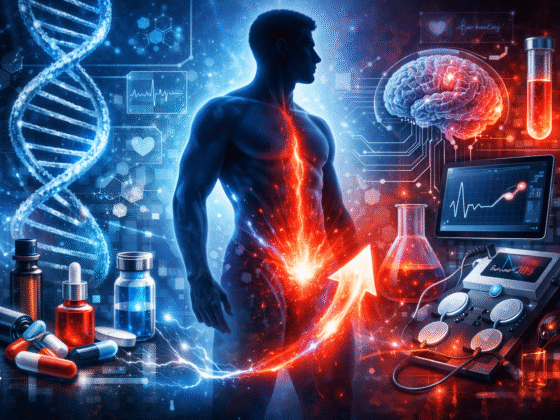
The first casualty of excessive exercise is often the endocrine system. The hormonal axis—responsible for managing key players like testosterone, LH (Luteinizing Hormone), and FSH (Follicle-Stimulating Hormone)—can become severely disrupted under conditions of prolonged physical overexertion.
This neuroendocrine disruption can lead to:
- Low testosterone (also known as hypogonadism)
- Cortisol elevation, which suppresses testosterone
- FSH and LH suppression, impairing sperm production and libido
Over time, these effects contribute to fertility issues, sexual anxiety, and even psychosexual health problems, especially when coupled with performance pressure or body image expectations tied to gym culture.
Not Just in Your Head: Physical Signs of Overtraining
It’s easy to write off fatigue or a sluggish libido as “just stress,” but there’s a physiological mechanism behind it—your body is trying to wave a red flag.
Signs You May Be Overtraining:
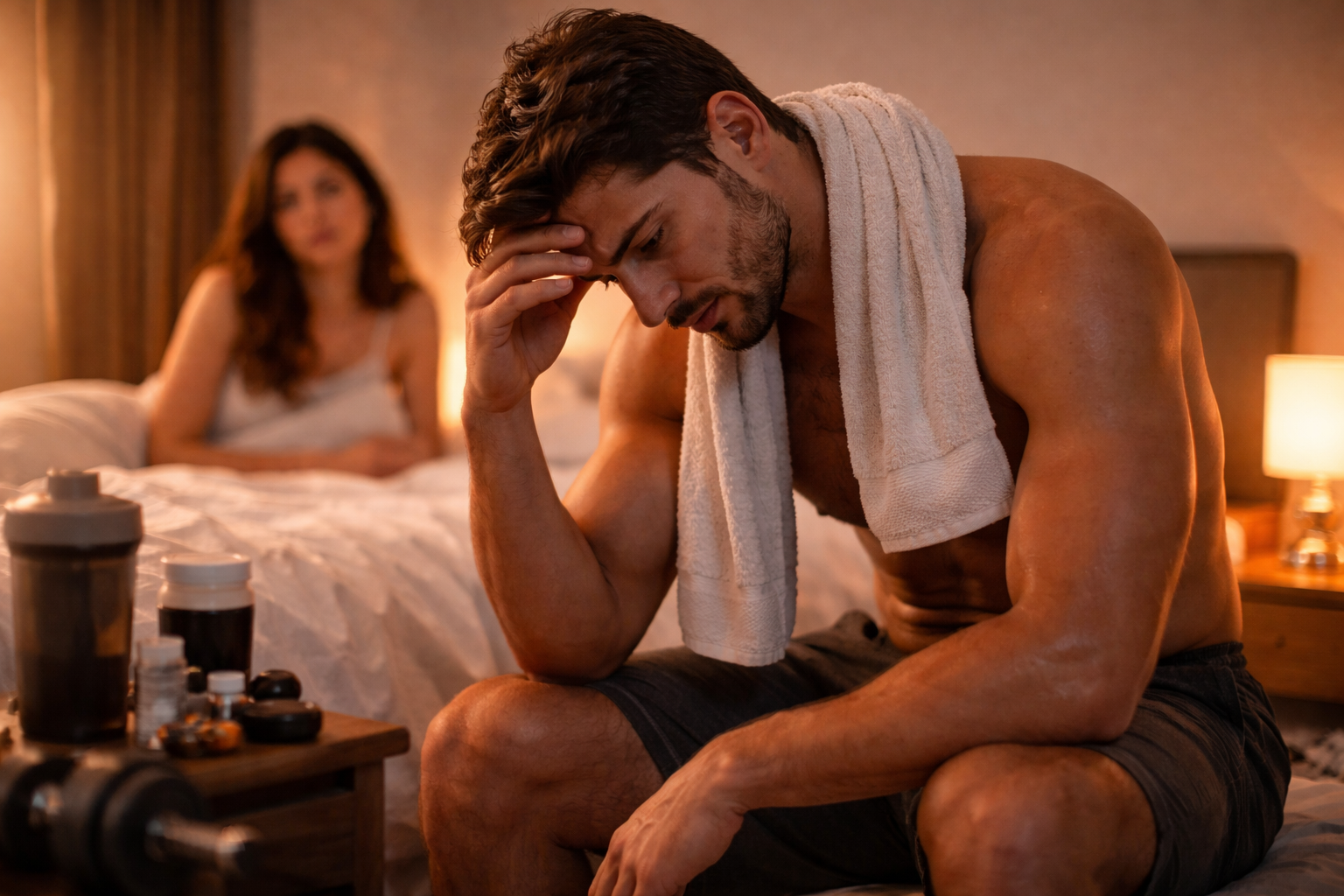
- Decreased libido and lack of morning erections
- Persistent fatigue and trouble sleeping
- Decline in gym performance despite increased training
- Prolonged muscle soreness or injury
- Mood disturbances, including emotional burnout or irritability
These symptoms mirror those found in overtraining syndrome, a condition marked by long-term recovery deficits that affect both athletic and sexual performance.
Sexual Performance Starts with Circulation
One of the core aspects of sexual health is blood flow. Capillary dilation, vascular health, and heart function all play a direct role in erectile strength and endurance. When you engage in endurance training, you’re improving these functions—until you cross the line into overtraining.
At this point, the benefits reverse. The cardiovascular system becomes strained, blood flow to the penis may decrease, and impotence becomes a very real risk. In fact, chronic overtraining has been linked to erectile dysfunction, especially in athletes engaged in long-duration or ultra-intense routines.
To support healthy blood flow, our Hydro Series penis pumps are designed to naturally improve penile circulation—a valuable tool for those recovering from performance-related challenges.
The Mind-Body Disconnect – When Fitness Becomes an Obsession
As powerful as the physiological consequences of overtraining are, the psychological impact is often just as devastating—and far more subtle. When workouts go from a healthy habit to a compulsive need, you’re no longer training your body; you’re training your identity.
Exercise Addiction & Body Image Pressure
What starts as a goal to “get in shape” can sometimes spiral into exercise addiction, especially when performance or appearance becomes a metric of self-worth. This mental state is fertile ground for:
- Sexual anxiety
- Compromised psychosexual health
- Chronic emotional burnout
- Unrelenting performance pressure
Men caught in this cycle often don’t recognize the toll until their sexual vitality starts to decline. It’s not uncommon for those suffering from exercise addiction to keep pushing, even as their bodies break down—leading to training burnout, low libido, and eventual sexual dysfunction.
“When your body is screaming for rest, and your mind tells you to push harder, something’s out of balance.”
Breaking the Cycle: Hormonal Recovery Starts with Awareness
Reversing the effects of overtraining requires more than just taking a few days off. True hormonal recovery is a systemic recalibration that touches everything from sleep and stress to diet and supplementation.
Actionable Steps to Begin Rebalancing:
- Evaluate your routine
Are you training more than 6 days a week with no variation in intensity or rest? You may need to adopt training periodization—a method that cycles through different intensities and recovery phases to prevent burnout. - Prioritize rest and sleep
Recovery isn’t passive—it’s when your body repairs and hormones like testosterone and GH (growth hormone) are produced. - Support testosterone production
Natural supplementation, smart nutrition, and sexual wellness tools like Bathmate’s Max Out Jelqing Serum can help enhance blood flow and support hormonal balance during recovery. - Dial in your diet
Nutrient deficiencies—especially in zinc, magnesium, and essential fatty acids—can exacerbate low testosterone and LH suppression. - Monitor mental health
High cortisol levels from chronic stress or obsessive training behaviors often go hand-in-hand with declining libido and sexual performance.
The Return of Sexual Vitality: What to Expect
Once a more balanced training approach is implemented, many men begin to see improvements within 4–6 weeks:
- Renewed morning erections
- Improved libido and sexual stamina
- Decreased fatigue and increased energy
- Better sleep and mood regulation
- A stronger mind-body connection during intimacy
These are signals of your body’s reproductive health stabilizing. They’re also a reminder that recovery isn’t weakness—it’s strategy.
If you’re working toward reclaiming your sexual performance, consider integrating Bathmate’s HydroXtreme Series into your daily routine. Its pressure-controlled system is ideal for supporting penile blood circulation and enhancing recovery during periods of hormonal fluctuation.
Building a Sustainable Lifestyle for Performance in and out of the Gym
If you’ve ever found yourself asking why your sex drive is lagging even though you’re in the “best shape of your life,” the answer may lie in what your training isn’t giving you—balance. It’s time to stop thinking in extremes. Neither sloth nor obsession serves your body or your sexual health.
Instead, let’s focus on building a long-term, sustainable fitness lifestyle—one that supports libido, vascular health, and hormonal balance without sacrificing your passion for movement.
Personalizing Your Training to Avoid Overtraining
The key to avoiding overtraining syndrome and its side effects—like impotence, fatigue, and performance decline—is personalization. What works for an elite triathlete likely won’t work for someone balancing a 9-to-5, family life, and stress.
Here’s how to tailor your training to your sexual vitality and overall wellbeing:
1. Practice Training Periodization
Rotate between high, moderate, and low-intensity training weeks. This gives your endocrine system a chance to recalibrate and recover hormonally. Sprinkle in mobility and active recovery days for best results.
2. Focus on Recovery as Much as Performance
Recovery isn’t downtime—it’s where the progress happens. Prioritize sleep, hydration, nutrient timing, and supplements that support testosterone levels and blood flow.
Explore Bathmate’s Performance Kits, which are tailored for men seeking a complete package to enhance both physical recovery and sexual wellness.
3. Train for Longevity, Not Punishment
Leave behind the “no pain, no gain” mentality. Training to the brink of exhaustion, day in and day out, isn’t admirable—it’s self-sabotage. Moderate, consistent exercise leads to long-term improvements in cardiovascular function and sexual performance.
Integrating Sexual Wellness Tools into Your Routine
Physical performance and sexual performance are deeply interconnected. Just as you’d use targeted tools to build muscle or improve endurance, tools exist to enhance penile blood circulation and support erectile strength.
Tools That Complement Your Recovery:
- Hydropumps: Regular use can improve capillary responsiveness and erection quality.
- Pre-workout supplements for sexual health: Look for formulas that support nitric oxide production.
- Bathmate Control: A long-lasting climax control gel that gives you more command over your performance, available here.
Final Thoughts: The Real Flex Is Balance
There’s a toxic myth in the fitness world that your worth is measured by how much you can endure. But the truth is, longevity, pleasure, and presence matter more than pushing yourself to the edge. You don’t need to choose between a strong body and a strong sex life—you can (and should) have both.
To get there, keep these principles in mind:
- Train smart, not endlessly
- Prioritize recovery like your results depend on it—because they do
- Address sexual fatigue and low libido as early warning signs
- Use tools that support both physical and sexual health
And if you’re ready to take control of your sexual recovery and performance, explore the full Bathmate Collection to find the right product for your needs.
FAQ: Overtraining and Sexual Performance
1. Can overtraining cause permanent damage to sexual function?
While most cases of sexual dysfunction caused by overtraining are reversible, long-term neglect can potentially cause lasting issues, especially if hormonal imbalances like chronic low testosterone or hypogonadism are left untreated. Early intervention and recovery strategies are key.
2. How long does it take to recover from overtraining-related sexual dysfunction?
Recovery times vary. Mild cases may improve within a few weeks with proper rest and nutrition. Severe cases—especially those involving endocrine disruption—can take several months. Hormonal testing can help monitor progress.
3. Are certain types of exercise more likely to harm sexual performance than others?
Yes. Chronic endurance exercise (like long-distance running, cycling, or triathlon training) is more strongly associated with reductions in libido and testosterone levels than strength training or moderate cardio. Balance is critical.
4. Does overtraining affect sperm count and fertility?
Yes, overtraining can suppress LH and FSH levels, which are essential for sperm production. This can lead to reduced sperm quality and temporary fertility issues, especially if cortisol elevation and low testosterone are also present.
5. Can women experience similar sexual side effects from overtraining?
Absolutely. Women may experience menstrual irregularities, decreased libido, and hormonal axis disruption due to excessive training. Although the mechanisms differ slightly, the impact on sexual wellness is real for both genders.
6. What lab tests should I consider if I suspect overtraining is affecting my sex life?
A basic hormonal panel may include:
- Total and Free Testosterone
- LH (Luteinizing Hormone)
- FSH (Follicle-Stimulating Hormone)
- Estradiol
- Cortisol
- Prolactin
These can help assess whether overtraining syndrome is impairing your hormonal health.
7. Is erectile dysfunction from overtraining different from psychological ED?
While both can present similarly, overtraining-related ED typically stems from physiological issues like vascular strain, hormonal imbalance, or fatigue. Psychological ED, on the other hand, is often rooted in stress, sexual anxiety, or relationship dynamics.
8. Can supplements help recover sexual performance during overtraining recovery?
Yes, targeted supplements can help. Look for:
- Zinc and Magnesium (for testosterone support)
- Ashwagandha (for cortisol regulation)
- L-Arginine or Citrulline (for blood flow)
Products like Max Out Serum can complement recovery by supporting penile blood circulation naturally.
9. Can poor sleep make the sexual side effects of overtraining worse?
Absolutely. Sleep is a vital time for testosterone production and hormonal recovery. Poor sleep amplifies fatigue, slows recovery, and worsens sexual dysfunction symptoms caused by overtraining.
10. Should I stop working out completely if I suspect overtraining is affecting my sex drive?
Not necessarily. Instead of stopping altogether, shift to light movement, active recovery, or mobility-focused sessions. Gradually reintroduce structured training with periodization and focus on exercise-recovery balance.