Last Updated on 23rd January 2026 by Charlie Walsh
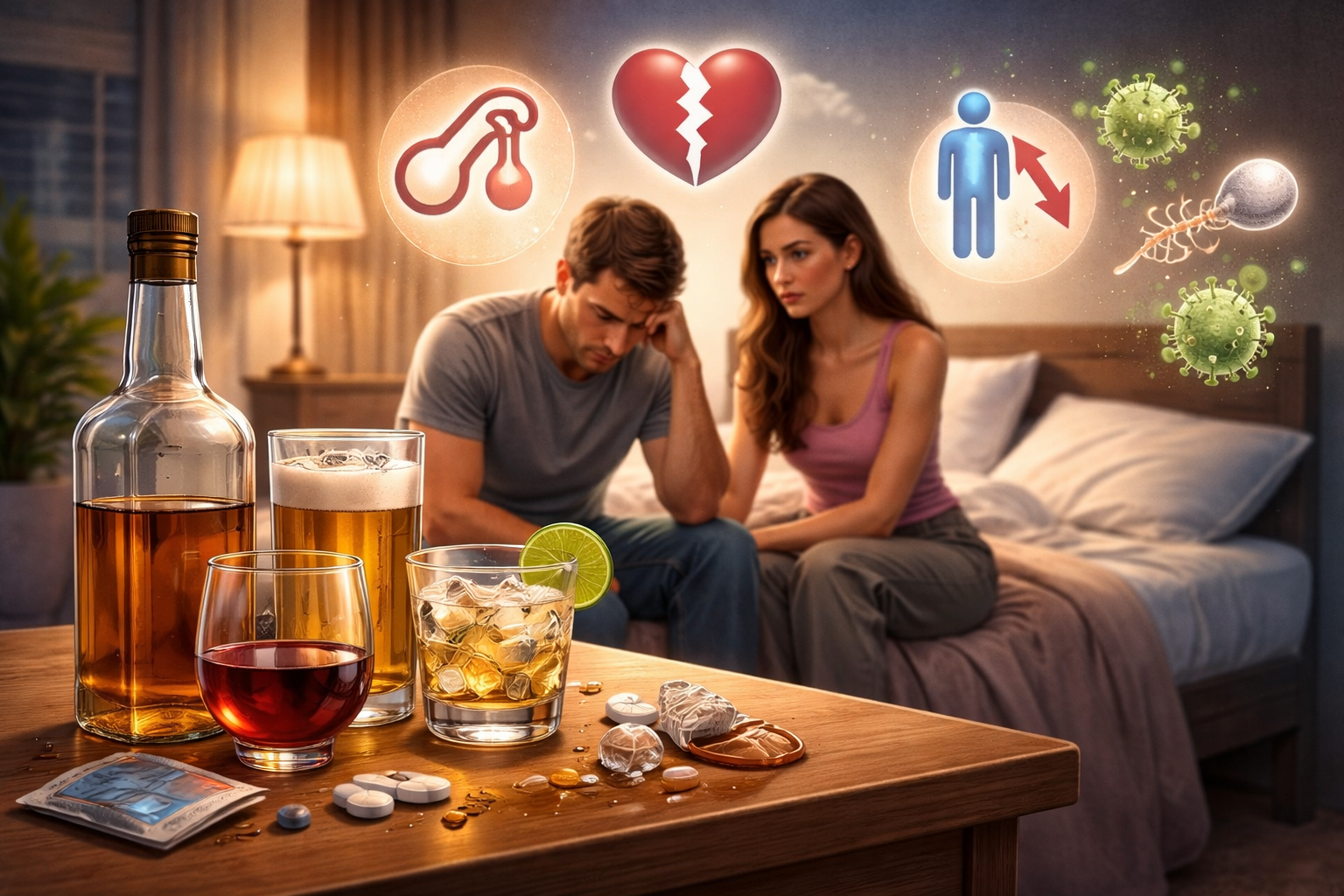
Alcohol’s relationship with sexual health is both misunderstood and underestimated. While a few drinks may give the illusion of heightened desire, the biological reality is far less romantic. Alcohol is a central nervous system depressant, disrupting everything from blood flow and hormone production to brain-genital communication. This article explores the hidden ways alcohol affects sexual performance, desire, fertility, and long-term health outcomes. We’ll cover issues like erectile dysfunction, lowered libido, impaired sperm production, delayed orgasms, and much more. Whether you’re noticing decreased performance or simply looking to optimize your sexual health, understanding alcohol’s impact is a critical part of the conversation.
The Illusion of Intimacy: When Alcohol Feels Like a Turn-On
Alcohol has long been seen as a gateway to sexual liberation—boosting confidence, reducing anxiety, and “loosening up” inhibitions. This myth, often amplified by social expectations and media, gives rise to what’s colloquially known as “beer goggles.” But the reality is that while alcohol can lower inhibitions, it doesn’t enhance actual sexual performance—in fact, quite the opposite.
“It’s not that alcohol makes you sexier. It just makes you care less about what happens next.”
This cognitive dissonance—feeling aroused while the body resists arousal—is rooted in the biological nature of alcohol as a central nervous system depressant. Once alcohol is absorbed into the bloodstream, it starts interfering with essential physiological functions. Blood flow reduction, neurotransmitter inhibition, and hormonal imbalance are just a few of the processes thrown off track.
Performance Meets Physiology: What’s Happening Underneath
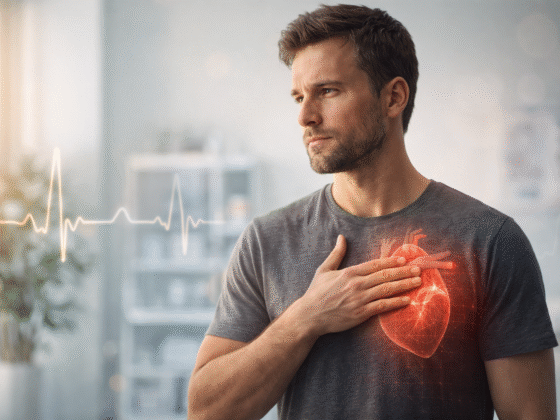
Let’s get straight to the science. One of the most immediate ways alcohol interferes with sexual performance is by reducing blood flow, particularly to the genitals. This affects both men and women in profound ways.
For men:
- Erectile dysfunction (ED) becomes more common with even moderate levels of alcohol.
- Maintaining an erection can become challenging, especially during binge drinking sessions.
- Over time, this can escalate into alcohol-induced sexual dysfunction, where even sober intimacy is compromised.
For men using our HydroXtreme penis pump collection, it’s essential to know that while these devices can significantly improve blood flow and penile health, excessive alcohol consumption can counteract their benefits by creating a hostile hormonal and circulatory environment.
For women:
- Reduced vaginal lubrication and impaired sexual stimulation are direct consequences of alcohol’s effect on blood vessels and the nervous system.
- Alcohol disrupts arousal signals between the brain and genitals, leading to delayed orgasm or complete loss of climax.
These aren’t rare occurrences—they’re routine for people who frequently drink before sexual activity.
Desire vs. Dysfunction: The Hormonal Undercurrent
Alcohol doesn’t just impact performance; it fundamentally alters desire. This is largely due to its impact on testosterone and estrogen, two key sex hormones in both men and women. Disruption in these can lead to:
- Lower libido / sex drive
- Performance anxiety driven by poor previous experiences
- Relationship dissatisfaction due to repeated sexual disconnect
These effects can also be linked to disruption in the hypothalamic-pituitary-gonadal (HPG) axis, which is essential for regulating sexual function, mood, and fertility.
Chronic drinking doesn’t just kill the mood; it starves your body of the very chemicals that create the mood in the first place.
The Fertility Fallout
Even small, regular doses of alcohol can interfere with fertility for both sexes. Here’s how:
- In men, impaired sperm production, reduced motility, and even shrinking of testicles have been observed in long-term drinkers.
- In women, ovulation disruption, menstrual cycle irregularity, and delayed conception are common outcomes.
This becomes even more concerning for couples trying to conceive. Our Vibe Ring, which enhances shared pleasure, is often used during intimacy when conception is a goal. But without addressing the hormonal side effects of alcohol, such products can only go so far.
When Safety Fades: Consent, Risk, and Regret
When alcohol impairs judgment, the likelihood of risky decision-making—including unprotected sex and impaired consent—rises sharply.
- Alcohol blurs the ability to give or interpret informed consent
- It increases vulnerability to sexual coercion and even drink spiking
- Rates of STI transmission rise in correlation with alcohol use, often due to poor contraceptive choices in the moment
Legal and ethical implications become murky in these cases, especially if one or both parties are heavily intoxicated. It’s not only about personal health—it’s about personal responsibility.
“Drunk sex isn’t just dangerous—it’s legally ambiguous. Always protect yourself and your partner.”
The Mental Side of the Bedroom: Alcohol’s Psychological Toll
Sexual performance isn’t just physical—it’s deeply mental. Alcohol’s effects on the brain can create a cascade of psychological challenges that impact both immediate intimacy and long-term relationships.
Common psychological impacts include:
- Performance anxiety: Alcohol can increase anxiety in the long term, especially if a person begins to rely on it as a crutch for confidence.
- Body image issues: Alcohol-related weight gain and hormone disruption can affect how individuals view themselves, lowering self-esteem.
- Depression-related libido loss: Chronic alcohol use is linked to depression, which itself can completely flatten sex drive.
- Relationship dissatisfaction: When intimacy suffers repeatedly, emotional distance often follows.
Many users of the Hydro Series penis pumps have found them helpful in rebuilding sexual confidence without turning to substances. Unlike alcohol, these devices offer a controlled, natural method of improving blood flow and penile health—without neurological trade-offs.
“Alcohol can silence the critical voice in your head—but it can also mute your connection with your partner.”
Alcohol and Long-Term Sexual Dysfunction
Over time, the impacts of alcohol on your sex life become harder to reverse. Let’s break this down into biological terms that help explain why.
1. Neurotransmitter Inhibition
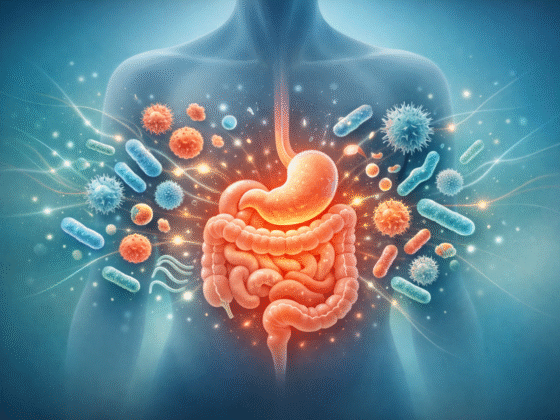
Alcohol disrupts the signals between the brain and genitals, known as brain-genital signal interference. This leads to poor coordination of arousal and physical readiness. You may want sex mentally, but your body might not follow through.
2. Endocrine Disruption
The endocrine system regulates hormones. Alcohol throws it off balance, leading to:
- Lower testosterone
- Altered estrogen/progesterone ratios
- Hypothalamic-pituitary-gonadal (HPG) axis suppression
These imbalances are directly tied to libido loss, erectile dysfunction, and reduced fertility.
3. Vasocongestion Impairment
Arousal relies on blood pooling in the genitals—called vasocongestion. Alcohol inhibits this process, preventing the necessary swelling and sensitivity needed for satisfying sex.
If you’re noticing these effects, it’s worth exploring safe alternatives to reignite your sex life—like incorporating Bathmate’s Jelqing Serum into your routine. This serum is designed to enhance blood flow during training, without systemic effects.
Harm Reduction: Taking Control Without Cutting All Pleasure
Let’s be clear—you don’t have to quit alcohol entirely to protect your sexual health. But applying harm reduction strategies can make a major difference.
Smart strategies include:
- Follow low-risk drinking guidelines: No more than 14 units per week, spread out, with drink-free days.
- Avoid binge drinking: This is one of the most sexually damaging patterns.
- Substitute drinks during sexual encounters: Try non-alcoholic alternatives to keep your body in optimal condition.
- Track your sexual performance patterns: See if there’s a correlation between your alcohol intake and your intimacy outcomes.
If you’re committed to improving performance, stamina, and confidence, devices like the Bathmate HydroXtreme7 Wide Boy are designed to maximize results for users with a larger girth. These tools provide a physical edge without the need to rely on alcohol.
Re-Educating Yourself: Alcohol and Sex Don’t Have to Coexist
One of the best tools for reclaiming control is sexual health education. Recognizing that alcohol and sex don’t have to go hand-in-hand is liberating. Here are some concepts to keep in mind:
- Consent is clearest when sober. If alcohol is involved, both parties need to be clearly and enthusiastically consenting at every stage.
- Contraceptive use is often forgotten under influence. Plan ahead and carry barrier methods like condoms when drinking.
- Safe sex negotiation is easier when alcohol isn’t muddying communication.
These are especially vital for young adults or couples exploring new dynamics. Learning how to create connection without relying on intoxication will lead to deeper satisfaction—and fewer regrets.
“Intimacy isn’t just about arousal—it’s about clarity, connection, and communication. Alcohol often clouds all three.”
Turning the Tide: Recovery, Resilience, and Restoring Your Sex Life
If you’ve made it this far, you already understand that alcohol can undermine sexual health across physical, emotional, and hormonal dimensions. But the good news? Your body and mind are far more adaptable than you might think.
This final section focuses on restoration—how to recover sexual performance, rebuild desire, and move forward with more control, clarity, and satisfaction.
Reclaiming Performance Without Alcohol
One of the most powerful truths about sexual function is that most alcohol-related issues are reversible. You don’t need to accept poor performance as your “new normal.” By reducing alcohol intake and adopting a proactive routine, you can reclaim what’s been lost—and in some cases, improve beyond your previous baseline.
Tools to Enhance Recovery
If blood flow has been an issue—erections that aren’t firm, stamina that doesn’t last, or arousal that fizzles—then adding a safe, non-invasive tool like the HydroMax7 Penis Pump can kickstart your recovery.
It works by:
- Promoting healthy vasocongestion
- Supporting tissue expansion through consistent hydro-based pressure
- Helping counteract effects of alcohol-induced erectile dysfunction
Used consistently, these devices help the body restore its natural erectile function without relying on temporary fixes or risky medications.
Hormonal Rebalancing: Supporting Your Endocrine System
If alcohol has caused testosterone reduction, HPG axis disruption, or libido loss, you’ll need to support your body’s hormonal systems naturally. While your first instinct might be supplements or injections, foundational changes often deliver the biggest results.
Steps to balance sex hormones:
- Cut back on alcohol: Even reducing intake can help restore natural testosterone production.
- Prioritize sleep: Alcohol disrupts REM cycles, which are critical for testosterone synthesis.
- Exercise regularly: Weight training and HIIT, in particular, are known to stimulate testosterone and growth hormone.
- Avoid endocrine disruptors: Plastics, synthetic fragrances, and processed foods all contribute to hormonal imbalance.
Looking for a way to elevate this further? Try pairing your training routine with Max Out Jelqing Serum to support better blood flow and penile health.
Talking to Your Partner: Building Intimacy Without Intoxication
Perhaps one of the most under-discussed parts of sexual health is communication. Many couples rely on alcohol to relax and connect. But that false sense of closeness often crumbles when the bottle is removed. Here’s how to build something real in its place.
Replacing alcohol with true intimacy:
- Schedule alcohol-free date nights: Go for walks, cook together, or just talk. Create new rituals.
- Use intimacy-enhancing tools: Products like the Vibe Ring can reintroduce playfulness and connection—without the haze of alcohol.
- Be honest about performance: If you’ve been struggling with erectile dysfunction or arousal, bring it into the open. Shame thrives in silence, but connection grows through vulnerability.
“Great sex starts with safety, honesty, and presence. None of those thrive under the influence.”
Final Word: Building a Sex Life That’s Yours Again
Alcohol can whisper a seductive lie: that it makes you more desirable, more confident, more connected. But in truth, it’s more often the thief of these things.
Whether you’ve been casually drinking or deeply dependent, the moment you step back from alcohol is the moment you step into ownership of your sexuality.
At Bathmate Direct, we’re proud to offer tools that amplify your natural potential—no substances required. From our HydroXtreme series to performance-enhancing gels, our mission is simple: empower you to take control of your sexual health, naturally and confidently.
Key Takeaways
- Alcohol lowers inhibitions but also reduces blood flow, impairs hormones, and disrupts arousal.
- Long-term use can cause sexual dysfunction, fertility issues, and mental health complications.
- These effects are often reversible with lifestyle changes, harm reduction, and non-invasive tools.
- Open communication and natural enhancement methods can help rebuild intimacy, trust, and performance.
FAQ: How Alcohol Impacts Your Sexual Health
1. Can moderate drinking still affect my sexual performance?
Yes, even moderate alcohol consumption can impact sexual function—especially if consumed close to sexual activity. While low levels may not cause long-term dysfunction, they can impair genital sensitivity, delay orgasm, and dull arousal, particularly in individuals with preexisting conditions like anxiety or hormonal imbalances.
2. Is alcohol-related sexual dysfunction different from age-related sexual decline?
Yes. Alcohol-related sexual dysfunction is typically linked to reversible physiological and neurological changes, while age-related decline is often gradual and hormone-driven. That said, alcohol can accelerate age-related decline by lowering testosterone and impacting circulation.
3. Can alcohol increase the risk of pain during sex?
Absolutely. For women, alcohol can reduce vaginal lubrication, making intercourse uncomfortable or even painful. For men, erectile instability can lead to awkward or strained intercourse, especially if there’s a disconnect between mental desire and physical response.
4. Does alcohol affect sexual orientation or preferences?
No, alcohol does not change your sexual orientation. However, it can lower inhibitions and increase the likelihood of experimenting with behaviors or fantasies. This is often misinterpreted, but it’s the behavior, not orientation, that may shift temporarily under influence.
5. Can alcohol cause premature ejaculation or delayed ejaculation?
Yes. Both are possible. Low to moderate intake may lead to delayed ejaculation, while heavier use may cause inhibited climax or complete inability to ejaculate. In contrast, some users experience premature ejaculation due to lack of arousal control or poor sensitivity under the influence.
6. How long after drinking should I wait before having sex?
For optimal performance, it’s best to allow at least 4–6 hours after moderate drinking before engaging in sexual activity. This allows blood alcohol concentration (BAC) to lower and restores physiological function, particularly in regard to blood flow and hormonal balance.
7. Can alcohol withdrawal impact sexual health?
Yes, during the initial stages of alcohol withdrawal, many people experience reduced libido, mood swings, and temporary erectile dysfunction due to shifting hormones and nervous system recalibration. However, these symptoms are often transient and improve with sustained abstinence and healthy lifestyle changes.
8. Does mixing alcohol with erectile dysfunction medications pose risks?
Yes, combining alcohol with medications like sildenafil (Viagra) or tadalafil (Cialis) can increase the risk of severe blood pressure drops, dizziness, fainting, or heart palpitations. Always consult a healthcare provider before mixing alcohol with any sexual performance medication.
9. Is alcohol more sexually disruptive for men or women?
While both genders are affected, women may experience disruption at lower levels of alcohol consumption due to body composition, hormone sensitivity, and metabolism differences. Effects like reduced arousal, impaired lubrication, and difficulty achieving orgasm are particularly common in women.
10. Are there any natural ways to undo alcohol’s sexual side effects?
Yes. The best first step is reducing or eliminating alcohol consumption. Alongside this, using performance tools like Bathmate penis pumps, increasing cardiovascular exercise, improving sleep, managing stress, and focusing on nutrient-rich foods (e.g. zinc, magnesium, B-vitamins) can support hormonal recovery and improve sexual performance over time.