Last Updated on 20th January 2026 by Charlie Walsh
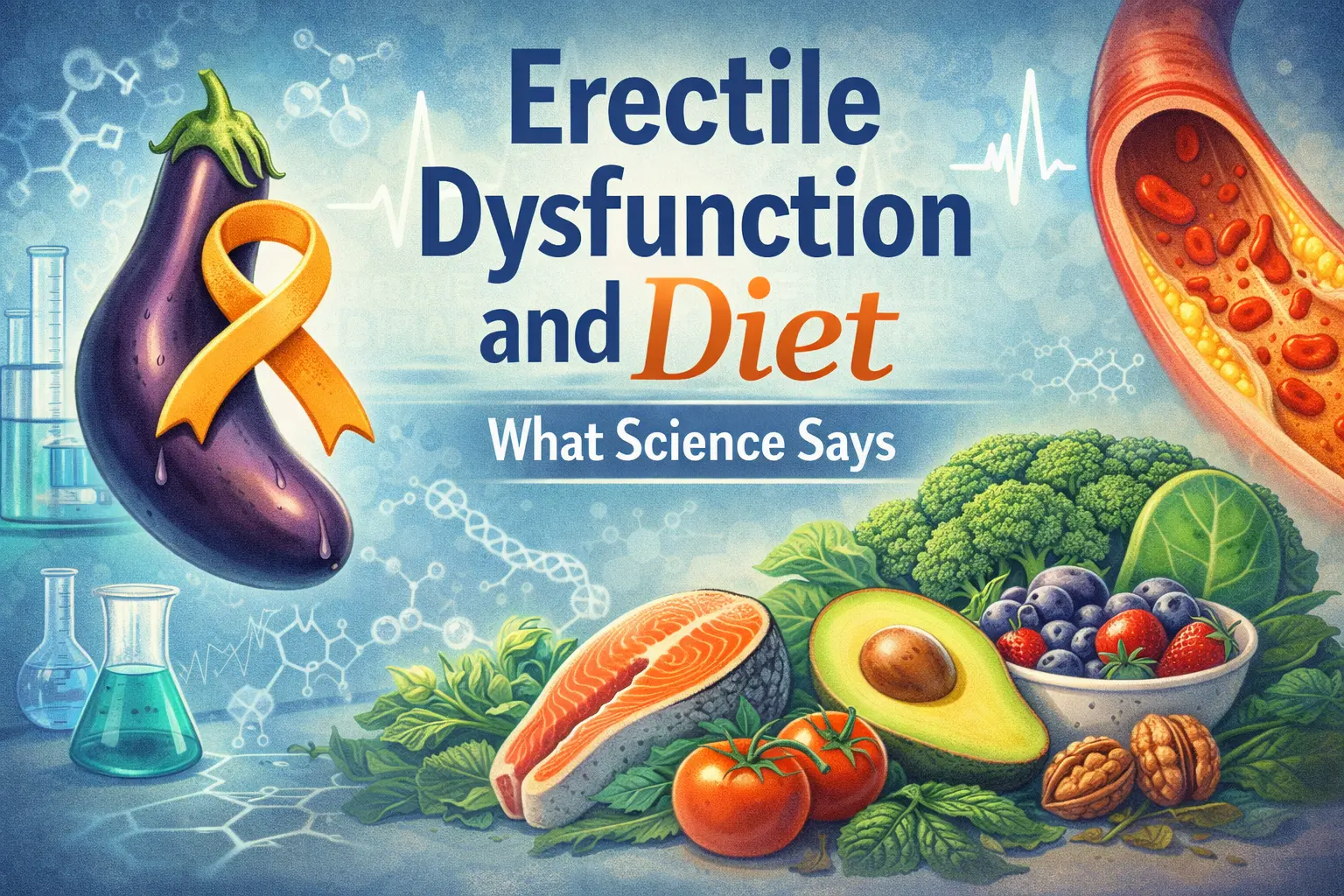
Erectile dysfunction is not just a bedroom issue—it’s a vascular one. Recent science reveals compelling links between diet, sexual function, and overall erectile health. In this article, we explore how certain eating patterns, nutrients, and foods can help—or hinder—blood flow and testosterone levels. We’ll also look at evidence behind popular diets like the Mediterranean diet and how antioxidants, nitric oxide, and L-arginine play a key role in male sexual function. Plus, we discuss lifestyle shifts that can boost your sexual health without a prescription. This is not about fads or fear-mongering—it’s about what the research actually says.
What’s Food Got to Do With It?
Erectile dysfunction (ED) affects millions of men worldwide, and while age is a major risk factor, your dinner plate could be playing a bigger role than you think.
The science is clear: your vascular health and erectile health are closely intertwined. The penis is a finely tuned hydraulic organ that relies on optimal blood flow, endothelial function, and nitric oxide availability. When these systems falter—due to poor diet, obesity, hypertension, or diabetes—ED often becomes one of the first symptoms.
Why Is Blood Flow the Real MVP?
At the heart of every erection is vascular health, powered by a molecule called nitric oxide (NO). This gas relaxes blood vessels and allows blood to rush into the corpus cavernosum, creating and maintaining an erection.
But diets high in ultra-processed foods, trans fats, and added sugars can compromise this entire system. The result? Reduced nitric oxide production, inflamed blood vessels, and the slow erosion of erectile function.
The Diet-Erection Connection: Evidence Mounts
In a 2024 meta-analysis of 14 clinical studies, researchers examined dietary patterns and erectile function in over 27,000 men. The results?
Diets rich in fruits, vegetables, nuts, and healthy fats significantly reduced the risk of erectile dysfunction.
More specifically, the following diets were consistently linked to improved scores on the International Index of Erectile Function (IIEF-5):
- Low-fat diets: These lowered ED risk by as much as 73%.
- Plant-based diets (PBD): Associated with a 29% reduction in ED risk.
- Intermittent fasting and organic diets: Also showed positive effects on erectile function.
- High-protein, low-fat diets: Improved erectile performance metrics significantly.
While these benefits are encouraging, it’s not just about what you eat—but what you avoid. Men consuming higher amounts of red and processed meat, sugary beverages, and trans fats saw a steep rise in ED risk.
Flavonoids, Fruits, and the Color of Erections
Let’s talk flavonoids—plant compounds with powerful antioxidant and anti-inflammatory properties. Found in many colorful foods, they are now being studied for their effects on endothelial function and erectile health.
In a BBC report on ED and diet, biological scientist Aedin Cassidy pointed to anthocyanins and flavanones as especially potent. These are found in:
- Blueberries, blackberries, blackcurrants
- Oranges, mandarins, grapefruit
These compounds help increase nitric oxide production, enhance blood flow, and protect against oxidative stress—all of which can improve erectile function. They also help combat inflammation, a known disruptor of testosterone production.
“Essentially, erectile function is tied to blood flow,” said Dr. Neel Patel in the same BBC piece. “So choosing foods that promote vascular health just makes sense.”
And it does.
If you’re looking for a practical, natural way to support erectile health, flavonoid-rich foods are a smart place to start.
Boosting Sexual Function with Diet: What to Focus On
Here’s a simplified look at dietary additions to support erectile health, based on current research:
✔ Add More:
- Leafy greens (e.g., spinach, rocket): Great source of L-arginine
- Oily fish (e.g., salmon, sardines): Rich in omega-3 fatty acids
- Nuts, especially pistachios: Linked to improved IIEF-5 scores
- Legumes and whole grains: Promote cardiovascular and metabolic health
- Olive oil: A Mediterranean staple known for its heart-healthy profile
- Tea and coffee: Surprisingly good sources of dietary flavonoids
✖ Reduce or Eliminate:
- Processed meat and red meat
- Sugary drinks (especially fruit juices instead of whole fruits)
- Fried foods and trans fats
- Excessive alcohol—yes, red wine has flavonoids, but overdoing it cancels the benefit
Diet Is Just One Piece of the Puzzle: Lifestyle Matters Too
While nutrition plays a critical role in supporting erectile health, it’s just one part of a much larger system. Erectile dysfunction is often a symptom of broader metabolic or cardiovascular issues, many of which are deeply influenced by lifestyle.
If you’re eating well but still struggling with symptoms of ED, these underlying factors might be at play:
1. Body Weight and Obesity
Excess weight—particularly central obesity (fat around the midsection)—is a major contributor to ED. Obesity promotes insulin resistance, inflammation, and vascular damage, all of which impair blood flow and testosterone production.
Studies have shown that men with higher Body Mass Index (BMI) are significantly more likely to experience ED than those in a healthy range.
Weight loss through dietary adjustments and physical activity can reverse ED in some men without the need for medication.
2. Physical Inactivity
A sedentary lifestyle diminishes cardiovascular function, reduces testosterone, and promotes endothelial dysfunction. Movement is medicine.
Incorporating even modest amounts of exercise—like walking, cycling, or resistance training—can dramatically improve sexual function. Exercise improves blood flow, raises nitric oxide availability, and enhances sensitivity to sexual stimuli.
3. Smoking and Alcohol
Smoking is a known cause of vascular damage, reducing the flexibility and responsiveness of blood vessels critical for erection. Quitting smoking can lead to significant improvement in sexual performance.
Alcohol, in moderation, may not be a problem, but chronic or binge drinking interferes with testosterone levels, liver function, and nerve signaling, often worsening ED.
If you’re currently navigating ED symptoms and also consume alcohol regularly, consider reducing intake as part of a broader strategy for vascular health.
Hormonal Health: The Testosterone Equation
Let’s not ignore the hormonal side of things. Testosterone, the key male sex hormone, influences libido, mood, and erectile response. While aging naturally reduces testosterone levels, diet and lifestyle play a major role in how sharp that decline is.
Certain foods can support healthy testosterone production:
- Zinc-rich foods: Shellfish, seeds, and nuts
- Healthy fats: From olive oil, avocados, and nuts
- L-arginine sources: Such as leafy greens, poultry, and dairy
On the other hand, high intake of saturated fat, refined sugars, and certain components of a soy-based diet may suppress testosterone, particularly when consumed in excess.
Diets focused on insulin sensitivity and low inflammation—like the Mediterranean diet—are consistently associated with more stable testosterone levels and better erectile performance.
Functional Tools Beyond Food: The Role of Pump-Based Therapies
For men already taking steps to improve their vascular and sexual health through diet and lifestyle, penis pumps can offer an additional layer of support.
Our Bathmate Hydromax range is designed to enhance blood flow, encourage tissue expansion, and support daily erectile training. This non-invasive solution can be particularly useful for men who:
- Are recovering from poor erectile performance due to underlying health issues
- Want to complement their dietary and fitness efforts
- Seek an alternative or supplement to oral ED medications
These pumps work by creating a vacuum that draws blood into the penis, encouraging natural engorgement and promoting better oxygenation of penile tissue over time.
“The body responds to training,” says one urologist in a 2021 clinical review. “And the penis is no different.”
When used regularly, products like those in our HydroXtreme collection may assist in improving vascular tone and erectile strength, especially in conjunction with the dietary strategies discussed earlier.
Synergy Over Single Fixes
One of the biggest takeaways from current research is that there is no magic bullet. Whether you’re eating more flavonoid-rich berries, walking daily, or using hydro pumps, these actions are most effective when combined.
A 2020 study in JAMA Network Open confirmed that men who maintained a high Alternative Healthy Eating Index (AHEI-2010) and exercised regularly were significantly less likely to report erectile problems than those who focused on diet or exercise alone.
This holistic approach helps mitigate multiple risk factors at once: poor circulation, metabolic syndrome, low testosterone, and psychological stress.
Feeding the Mind: The Gut-Brain-Erection Axis
If you’ve ever noticed how stress, anxiety, or even a bad day at work can disrupt your sexual performance, you’re not imagining it. Erectile dysfunction isn’t just physical—it’s deeply psychological. And yes, what you eat can affect your brain, your mood, and in turn, your sexual function.
The Brain-Body Connection
The brain plays a central role in initiating and sustaining an erection. This complex neurovascular event depends on:
- Dopamine and serotonin balance
- Stress hormone regulation (especially cortisol)
- Proper signaling from the hypothalamus and spinal cord
Mood disorders like depression and anxiety often go hand-in-hand with ED—not only due to psychological impact but also because they impair hormonal and neural function.
Here’s where food re-enters the picture.
Diet’s Role in Mental and Sexual Wellness
What you eat directly affects neurotransmitter production, inflammation, and gut microbiota, all of which are involved in mood regulation and sexual response.
Consider the following connections:
1. Serotonin Production Starts in the Gut
Up to 90% of the body’s serotonin—your “feel-good” neurotransmitter—is produced in the gut. A diet rich in fiber, fermented foods, vegetables, and whole grains helps promote a diverse and healthy gut microbiome, supporting better mood and sexual function.
The gut-brain axis is not a fringe theory—it’s now well-established in neuroscience and nutrition circles.
2. Inflammation Impairs Performance
Chronic systemic inflammation is a silent killer of erections. It lowers testosterone, inhibits nitric oxide production, and interferes with the brain’s ability to process sexual cues.
Diets high in refined carbs, fried foods, and sugary beverages are known to spike inflammation. On the flip side, polyunsaturated fats (PUFAs), omega-3 fatty acids, and flavonoids help calm the immune response and protect brain and vascular tissues.
The Psychological Loop of ED
A single poor sexual experience—due to stress, diet, or fatigue—can start a negative feedback loop. This is sometimes referred to as performance anxiety:
- Worry about performance increases cortisol
- Cortisol constricts blood vessels and suppresses testosterone
- Blood flow suffers, erection quality drops
- Anxiety increases—starting the cycle again
Breaking this loop requires more than just mental coaching. A nutritionally complete, anti-inflammatory diet can be a powerful ally.
A Science-Based Eating Protocol for Erectile and Mental Health
Let’s put it all together.
Below is a simplified protocol inspired by the Mediterranean diet, flavonoid research, and the AHEI-2010 guidelines—backed by studies from JAMA Network and other peer-reviewed sources.
Daily Diet Blueprint:
✔ Prioritize:
- Leafy greens (e.g., spinach, rocket): High in L-arginine
- Anthocyanin-rich berries (e.g., blueberries, blackberries)
- Whole grains (e.g., oats, quinoa, brown rice)
- Fatty fish (e.g., salmon, mackerel): Rich in omega-3s
- Nuts & seeds (especially pistachios for their ED-specific benefit)
- Cold-pressed olive oil
- Citrus fruits (flavanones)
- Green tea or black coffee (flavonoids, moderate caffeine)
✖ Minimize:
- Processed meats (bacon, sausages)
- White bread, pastries, ultra-processed snacks
- Sugary drinks and excessive fruit juice
- Heavy alcohol (a glass of red wine occasionally, if at all)
- Fried foods and trans fats
Tip: Aim for diversity. Rotating your foods ensures you get a range of micronutrients and antioxidants.
Rebuilding Confidence: Combining Diet with Training
Of course, food alone isn’t always enough. When you’re actively working to reverse ED—whether mild or more severe—combining lifestyle changes with mechanical support can produce faster, more visible results.
Thousands of men use our Hydro Pump systems to improve blood flow, oxygenate tissue, and restore responsiveness naturally. Unlike pills that work only in the moment, our systems help train your body to achieve firmer, longer-lasting erections by promoting vascular expansion over time.
And when used in conjunction with an anti-inflammatory, testosterone-friendly diet?
That’s a plan rooted in both science and experience.
Final Thoughts: The New Era of ED Management
Forget the old stereotypes around erectile dysfunction being “just part of aging” or something only fixed with a pill. Today’s science shows us that ED is often a signal—not a sentence.
By addressing the root causes through diet, lifestyle, and smart tools, men can take back control of their sexual health—naturally, sustainably, and confidently.
Frequently Asked Questions: Erectile Dysfunction and Diet
1. Can erectile dysfunction be reversed with diet alone?
In some cases, yes. If erectile dysfunction (ED) is primarily caused by poor vascular health, metabolic syndrome, or obesity, dietary changes can lead to significant improvements—sometimes full reversal. However, results vary depending on severity, age, and other underlying health issues. A holistic approach combining diet, exercise, and possibly pump-based therapy tends to yield the best results.
2. How long does it take for diet changes to impact erectile function?
Most men begin to see improvements within 4 to 12 weeks, especially if dietary changes are paired with increased physical activity and weight loss. Improvements in blood flow, nitric oxide production, and testosterone levels typically occur over time, not overnight.
3. Are there specific vegetables that improve erectile function?
Yes. Leafy greens like spinach, arugula, and kale are rich in nitrates and L-arginine, which support nitric oxide production and blood flow. Beets also contain dietary nitrates and have been linked to enhanced vascular function.
4. Is ED a sign of heart disease or other serious conditions?
ED can be an early warning sign of cardiovascular disease (CVD), especially in men under 50. Because the arteries in the penis are smaller than coronary arteries, ED can appear years before symptoms of heart disease emerge. It may also signal diabetes, high blood pressure, or hormonal imbalances.
5. Does intermittent fasting help with ED?
Emerging research suggests that intermittent fasting may support erectile function by improving insulin sensitivity, reducing inflammation, and promoting fat loss. These changes can positively affect testosterone levels and vascular health, both of which are key to sexual function.
6. Can a high-protein diet help with erectile dysfunction?
A balanced high-protein diet, particularly one that includes lean meats, legumes, and fish, may support erectile health by aiding muscle development, weight control, and testosterone production. However, excessive intake of red or processed meat can negatively impact vascular function and should be avoided.
7. What role does fiber play in improving ED?
Fiber-rich diets support a healthy gut microbiome, regulate blood sugar, and reduce cholesterol—all of which improve vascular function. Men who consume more whole grains, beans, vegetables, and fruit tend to have better overall metabolic health, which is closely linked to sexual performance.
8. Are there any natural supplements that can help, or is diet better?
Some supplements like L-arginine, ginseng, and citrulline show promise, but whole foods are often more effective due to their synergistic nutrient profiles. Relying solely on supplements without improving your diet is unlikely to yield long-term results.
9. Is a vegan diet good or bad for erectile function?
A well-planned vegan diet rich in whole plant foods can be beneficial for erectile function—primarily due to its anti-inflammatory and heart-friendly nature. However, it’s important to monitor zinc, vitamin B12, and protein intake, as deficiencies in these nutrients can negatively impact testosterone and libido.
10. Should I avoid soy if I have ED?
Moderate soy consumption (e.g., tofu or edamame a few times per week) is unlikely to cause problems for most men. However, excessive soy intake may lower testosterone levels in some individuals due to phytoestrogens. If you’re concerned, focus on other plant-based protein sources like legumes, nuts, and seeds.