Last Updated on 20th January 2026 by Charlie Walsh
If you’ve ever felt inexplicably drawn to someone because of the way they smell — not their cologne, but them — you’re not alone. This article explores the deep biological and psychological interplay between body odor and sexual attraction, unpacking how natural scent, pheromones, genetics, and even fertility cycles influence who we’re drawn to and why.
Here’s what you’ll learn:
- How sweat glands and pheromones impact first impressions and long-term desire.
- Why your immune system may be selecting your ideal mate through MHC genes.
- What role natural scent plays in emotional bonding and relationship satisfaction.
- How women’s ovulation cycles and men’s testosterone levels react to scent.
- How artificial scents and hygiene habits can mask or enhance sexual signals.
- What all this means for building authentic sexual chemistry — and how products like Bathmate’s Penis Pumps may support confidence in this primal mating dance.
The Unspoken Chemistry of Scent
We tend to think attraction starts with eye contact. But long before a word is spoken or a glance is exchanged, something more primal may already be at work: scent. Unlike perfumes or deodorants, natural body odor (B.O.) carries information coded by our immune system, stress levels, and even fertility.
“You’re not just smelling someone — you’re decoding their biology.”
That intoxicating feeling of being near someone you’re really into often begins with your olfactory system — the intricate sensory network that processes smell. While not fully understood, scientists agree it plays a major role in partner selection.
The invisible factors at play? Pheromones — subtle chemical signals we emit that can trigger arousal, mood shifts, and desire.
The Science Behind Natural Scent
While humans don’t have a fully functional vomeronasal organ (VNO) like other animals (which they use exclusively for detecting pheromones), we still unconsciously respond to chemosensory communication — particularly primer and signal pheromones.
- Signal pheromones act fast, triggering immediate reactions such as sexual interest or aversion.
- Primer pheromones influence longer-term behavior and hormonal shifts, such as mood changes or even menstrual regulation.
The presence of androstenol (found in fresh male sweat) and androstenone (produced after sweat oxidizes) can provoke powerful, often polarizing, responses in potential partners. And yes — cortisol and testosterone levels spike in both men and women depending on the scent they’re exposed to.
Your Immune System is Choosing Your Partner
One of the most fascinating (and least discussed) aspects of scent-based attraction involves your MHC (Major Histocompatibility Complex) — a cluster of genes tied to your immune system. These genes influence the HLA (Human Leukocyte Antigen) profile you emit through your natural scent.
Research shows we’re more attracted to people with different MHC genes than our own. Why? It increases the likelihood of offspring having stronger immune systems.
This kind of biological compatibility is nature’s way of optimizing survival — not just passion. Interestingly, women using hormonal birth control often prefer MHC-similar scents, which may explain shifts in attraction when contraception is started or stopped.
Fertility, Scent, and Timing
If you’ve ever noticed a partner smelling particularly “good” at certain times of the month, there’s science behind it. According to the Ovulatory Shift Hypothesis, female scent perception and men’s scent preferences both fluctuate during the menstrual cycle.
- During ovulation, women tend to prefer the scent of men with higher testosterone and lower fluctuating asymmetry (a sign of genetic health).
- Men, in turn, exhibit increased sexual interest and even higher testosterone levels when exposed to the scent of ovulating women.
In short: our bodies may be sniffing out ideal reproductive opportunities without us ever realizing it.
Scent, Symmetry, and Subconscious Signals
The way someone smells can reflect far more than hygiene. It can also reflect genetic resilience. This is where fluctuating asymmetry (FA) comes into play.
People with low FA — meaning their faces and bodies are more symmetrical — often have more desirable immune traits. These traits can subtly be picked up through natural scent, making them more attractive at a subconscious level.
This is evolutionary psychology in action. It’s not about cologne. It’s about how your biology communicates reproductive fitness without a single word.
The Power of Scent Memory in Emotional Bonding
You’ve probably caught a whiff of someone’s shirt and instantly felt a wave of emotion — warmth, longing, maybe even arousal. That’s not nostalgia. That’s scent memory, and it’s one of the most powerful tools your brain uses to create emotional bonds.
The olfactory system has a direct link to the limbic system, the brain’s emotional center. Unlike sight or sound, which are routed through more analytical parts of the brain, smell bypasses logic entirely. This is why we often remember a partner’s scent more vividly than the sound of their voice.
“The smell of someone you love becomes part of their identity. It’s not just comforting — it’s chemically addictive.”
Couples often grow emotionally connected not just through shared experiences, but through the subtle reinforcement of natural scent. It becomes a form of social scent signaling, reminding your brain of safety, closeness, and even sexual excitement.
When Nature Meets Culture: Fragrance and Grooming
Of course, real life isn’t a pheromone experiment in a lab. In the modern world, we’re constantly masking or modifying our scent with products — from body wash to cologne to scented laundry detergent. This is known as scent enhancement, and while it can boost attraction, it can also obscure key chemosensory cues.
Why It Matters:
- Artificial fragrance can amplify someone’s appeal if it complements their natural scent.
- But it can also interfere with how we perceive true biological compatibility.
This is especially true when people use heavily scented grooming products that clash with their natural chemistry. The result? A potentially misleading olfactory signal.
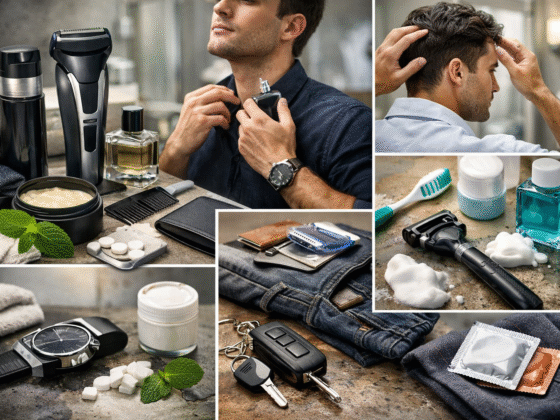
That’s why modern grooming should highlight, not hide. Choosing subtle, clean personal care products that allow your body’s own chemistry to come through may actually enhance natural attraction.
And that includes confidence-based grooming. Tools like the Bathmate Trim make it easy to stay fresh, feel good, and — importantly — let your scent do its job.
What You Eat Affects How You Smell
Yes, you are what you eat — and your scent is no exception. Your diet directly influences your body odor, which in turn shapes how others perceive your desirability.
Studies have shown:
- Men who eat more fruits and vegetables are rated as more pleasant-smelling.
- Diets high in processed foods, red meat, or alcohol often result in a more pungent or even unpleasant scent.
This isn’t about becoming plant-based overnight. But being mindful of your food intake — especially before a big date — can work in your favor. Natural freshness, after all, starts from the inside out.
So, if you’re stacking confidence from every angle — including body and scent — adding subtle self-care upgrades like our Bathmate Anal Toy Cleaner helps reinforce hygiene without overpowering your natural signals.
The Interplay of Personal Hygiene and Natural Scent
A key misconception is that body odor is inherently bad. In truth, sweat glands only produce odor when bacteria break down the compounds in your sweat. Fresh sweat — especially from apocrine glands located in areas like your armpits and groin — actually carries pheromonal cues important in attraction.
Cleanliness, then, is not about removing all scent. It’s about managing bacteria while allowing your personal chemistry to remain detectable.
Here’s how to balance both:
- Use mild, non-overpowering soaps that cleanse without masking.
- Avoid deodorants and body sprays with strong artificial fragrance profiles.
- Shower regularly, especially after workouts, but allow skin to breathe.
- Focus on intimate grooming, which not only improves hygiene but enhances comfort and self-image.
If you’re serious about improving sexual confidence and personal scent, pairing grooming with products like the HydroXtreme Penis Pump gives you a physical and psychological boost that complements the invisible cues your body is already sending.
Scent and the Subconscious: What’s Really Happening?
While the conscious brain focuses on looks, voice, and conversation, the subconscious mind is constantly processing sensory cues — especially scent. This is where romantic compatibility meets instinct.
Attraction is not just about who looks good. It’s about who smells right — often in ways you can’t explain. That’s the role of evolutionary psychology: our ancestors didn’t swipe right; they followed their noses toward immune strength, fertility, and genetic diversity.
So when you’re drawn to someone and can’t quite say why, chances are their natural scent, influenced by their HLA profile, diet, hormone levels, and grooming habits, is hitting your primal radar in all the right ways.
Not Everyone Smells the Same: Gender Differences in Scent Sensitivity
The role of scent in attraction isn’t universal — some people are simply more attuned to it than others. This is where sexual dimorphism in olfaction comes into play. Research shows that women generally have a more developed olfactory system, making them significantly more responsive to scent cues, especially those related to potential mates.
Why this matters:
- Women are more likely to notice subtle differences in body odor — and to be influenced by it when choosing a partner.
- Men, on the other hand, tend to prioritize visual cues, but scent still plays a subconscious role — especially in long-term bonding.
This distinction helps explain why many women cite scent as one of the most critical aspects of sexual compatibility, while men may only become aware of its importance after deeper intimacy has formed.
This also sheds light on why women respond so powerfully to physical confidence and cleanliness — two things that can be influenced with products like the HydroMax9, which improve not only physical dimensions but self-image and presence.
The McClintock Effect and Its Disputed Legacy
For decades, the McClintock effect — the idea that women living together synchronize their menstrual cycles due to pheromonal cues — was taken as evidence of human chemosensory communication.
The concept was both fascinating and controversial. It supported the idea that human pheromones could influence not just attraction but biological rhythms themselves.
However, recent studies challenge the validity of these findings. While menstrual synchrony remains a debated topic, what we know for sure is this:
- Women’s scent preferences shift across their cycle (most notably during ovulation).
- Men’s hormonal responses change when exposed to the scent of a fertile woman, showing increased testosterone and arousal.
So while the McClintock effect may be on shaky ground, scent-based fertility cues are not. They remain a strong biological signal in the dance of attraction.
From Biology to Bedroom: Putting Scent to Work
So how do you take all this science and turn it into something that improves your sex life?
You don’t need to become a scent scientist or ditch all hygiene products. But a few intentional changes can enhance your natural chemistry and boost confidence in real ways.
5 Ways to Optimize Your Natural Appeal:
- Clean smart: Use unscented or subtly scented products to let your natural scent come through. Avoid heavy colognes that overpower.
- Eat clean: Prioritize fruits and vegetables — your skin and scent will thank you.
- Groom intentionally: Use tools like the Bathmate Trim for comfortable, clean results.
- Stay hydrated: It affects everything from skin health to scent to performance.
- Practice scent-positive confidence: Embrace that your natural smell is part of your sexual signature.
Confidence in the bedroom also means knowing how to control performance and timing, which is why many users integrate the Bathmate Control Delay Gel into their routine. It allows you to focus on the moment without worrying about finishing too soon — giving you and your partner time to fully enjoy the chemistry.
Final Thoughts: The Invisible Thread of Desire
In the complex, often mysterious world of attraction, body odor is one of the most overlooked — yet most potent — forces at play. From immune system compatibility to pheromonal cues, from diet to emotional bonding, scent works quietly in the background, helping you filter through potential mates with stunning precision.
What may feel like love at first sight might actually be love at first scent.
“Your natural scent is more than a smell — it’s a signature, a message, and sometimes, a magnet.”
Whether you’re building confidence with a HydroXtreme11 or exploring intimacy-enhancing habits, understanding the link between scent and sex appeal empowers you to show up more confidently — biologically, emotionally, and sexually.
Because in the end, the most powerful chemistry is the kind you don’t have to manufacture. You just have to uncover it.
Frequently Asked Questions
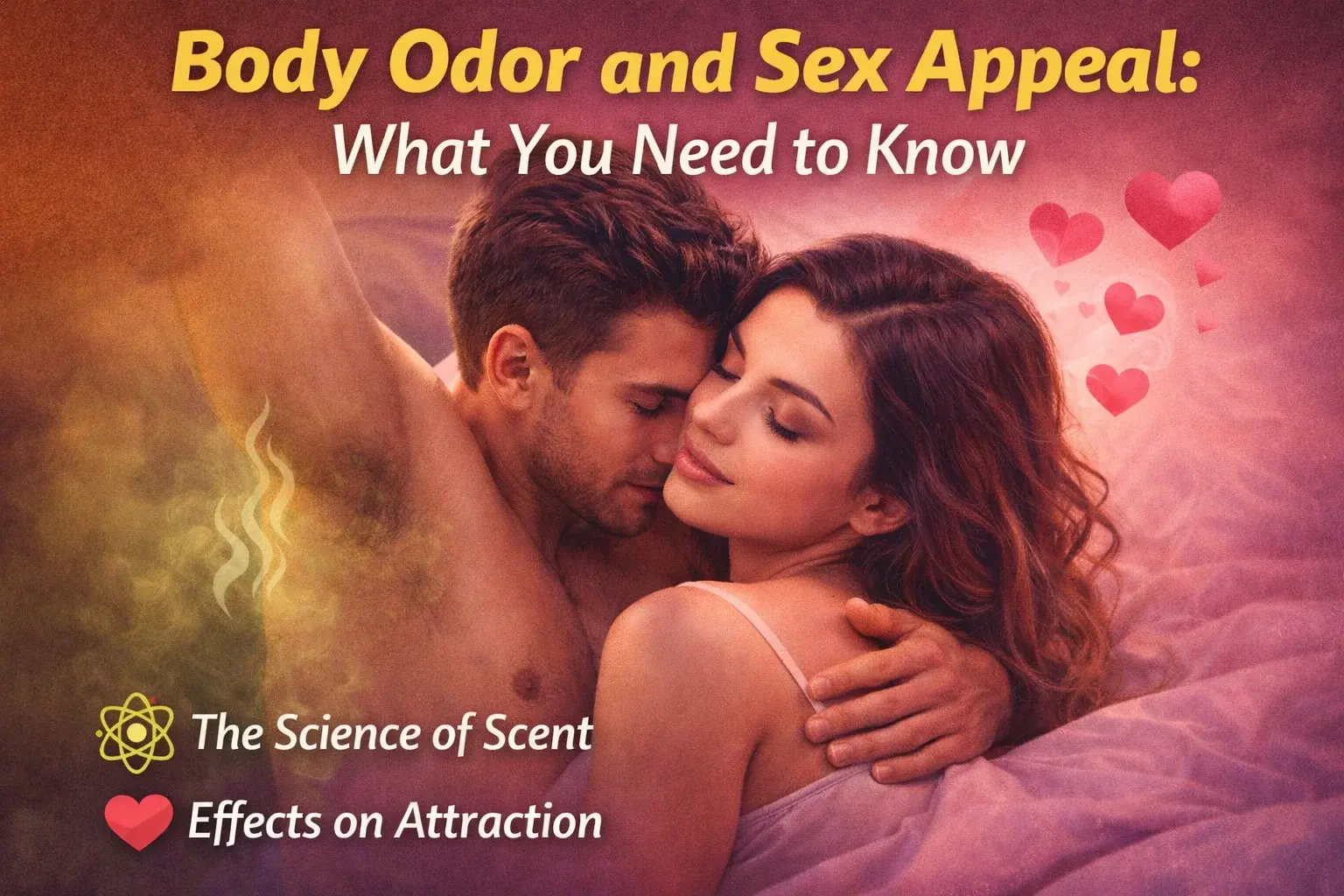
Body Odor and Sex Appeal: What You Need to Know
1. Can body odor really determine if someone is “the one”?
While body odor alone doesn’t determine romantic destiny, it does influence physical chemistry — especially at the subconscious level. Your brain may reject or accept someone based on scent alone, which plays into both short-term desire and long-term compatibility.
2. Is it true that some people have no body odor?
Yes, a small percentage of people carry a rare ABCC11 gene variant that makes their sweat less prone to odor-causing bacteria. However, even these individuals emit subtle chemosensory cues that can influence attraction, though they may not have a strong detectable scent.
3. Why does my partner’s scent change over time?
Hormones, diet, stress levels, hygiene, and even medication can alter body odor. For example, starting or stopping birth control or antidepressants may cause noticeable changes. Scent variation doesn’t necessarily mean attraction is fading — it just reflects evolving chemistry.
4. Do pheromone perfumes really work?
Some pheromone-based fragrances may enhance mood or confidence, but there’s no conclusive evidence they directly increase sexual attraction in humans. The key is to wear scents that blend well with your natural odor rather than overpowering it.
5. Can stress or anxiety affect how I smell?
Absolutely. Stress triggers the apocrine sweat glands, which produce protein-rich sweat that bacteria love — leading to stronger or more pungent B.O. Stress also affects hormone levels, which subtly changes your natural scent profile.
6. Does sexual activity change how someone smells?
Yes. After sex, hormonal shifts, pheromone secretion, and increased sweat can temporarily change how someone smells. Many partners report finding each other’s post-intimacy scent more appealing due to heightened oxytocin and dopamine levels.
7. Can birth control really influence who I’m attracted to?
Studies suggest that hormonal contraceptives can alter a woman’s scent preferences, often shifting attraction toward genetically similar partners (which is the opposite of natural MHC-driven mate selection). This may explain changes in desire over time.
8. What’s the best way to test for scent compatibility?
Some researchers recommend the old “worn T-shirt” test — spending time in your partner’s unwashed shirt or pillowcase to assess natural scent compatibility without artificial fragrances interfering. Trust your gut reaction — it’s likely driven by your brain’s olfactory system.
9. Is it possible to become addicted to someone’s scent?
Yes — in an emotional and neurological sense. Familiar scents tied to arousal or bonding can activate dopaminergic reward centers in the brain, reinforcing desire. This is part of scent memory, which helps solidify emotional attachment over time.
10. Can improving my hygiene or grooming routine make me more attractive via scent?
Definitely. Maintaining a clean canvas through daily washing, intimate grooming, and a healthy lifestyle helps your natural scent shine through. Use lightly scented or neutral hygiene products to avoid masking your pheromonal signals. Confidence plays a big role too — and grooming tools like the Bathmate Trim can help support both appearance and hygiene.