Last Updated on 20th January 2026 by Charlie Walsh
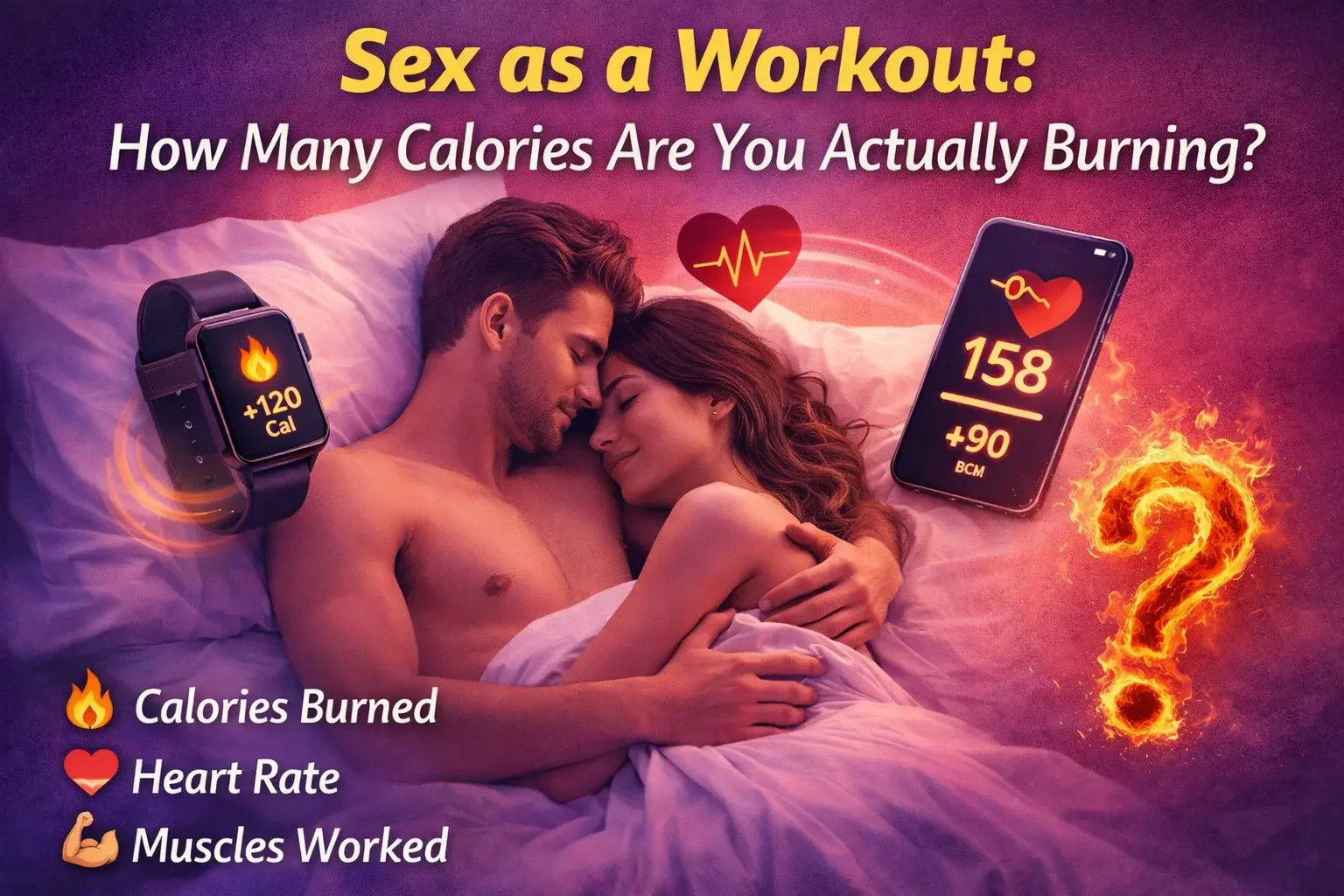
In this deep-dive, we’re breaking down just how much of a workout sex really is—from how many calories you burn between the sheets to how it stacks up against traditional forms of exercise like walking or hitting the treadmill. You’ll learn:
- How sexual activity can burn calories (and how many, exactly)
- The difference in energy expenditure between sexual positions
- How your body weight, age, and fitness level influence the burn
- Why sex isn’t just physical, but also boosts your mood, sleep, and overall wellness
- How to maximize your sexual fitness for better performance and pleasure
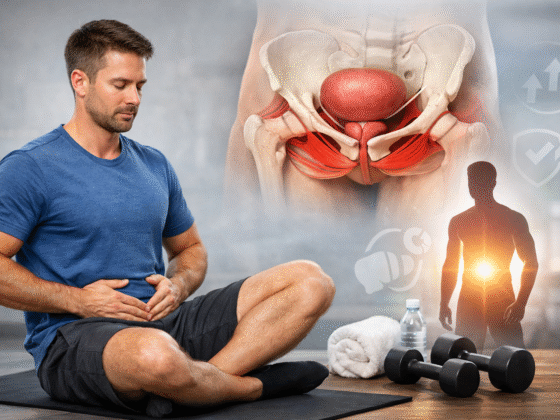
- And yes, we’ll talk about Kegel exercises, glutes, pelvic floor muscles, and how to turn sex into part of a full-body wellness routine
And if you’re wondering how to optimize your performance and pleasure? We’ll naturally point you to the right tools—like the ones you’ll find in our penis pump collection designed to boost blood flow, endurance, and confidence.
Can Sex Really Count as Exercise?
“Sex doesn’t count as exercise.”
That’s what many personal trainers will tell you. And while it’s true that a sweaty session between the sheets probably isn’t going to replace your leg day anytime soon, that doesn’t mean it’s calorie-free.
Depending on the duration of sex, position, intensity, and your body weight, a 20-minute session of moderate-paced sex can burn anywhere from 60 to 120 calories, according to recent sexual health studies.
A 2013 study published in PLOS ONE found that men burned an average of 101 calories and women around 69 calories during a single session lasting 24 minutes. That comes to roughly 3–5 calories per minute—comparable to a light walk or slow dancing.
“Sex is typically classified as a moderate-intensity exercise, engaging multiple muscle groups and elevating the heart rate—especially in more active positions.”
— Dr. Joseph Oliva-Lozano, exercise physiologist and researcher
Calories Burned During Sex: The Metrics
Let’s break that down further using the Metabolic Equivalent of Task (MET) formula, a standard in exercise physiology:
Calories burned = MET x 3.5 x body weight (kg) / 200 x duration (minutes)
For context:
- Light kissing or cuddling = 1.3 METs
- Moderate foreplay or missionary position = 3.6 METs
- Vigorous sex in active positions = 5.8+ METs
This means a 195-pound man could burn 130+ calories during an energetic 30-minute session. A 150-pound woman? Around 100 calories. While these aren’t gym-level stats, they’re definitely not negligible either.
Pro tip: Increase caloric burn with standing positions or by switching it up frequently. Being the active partner (i.e., on top) demands more muscle activation, especially in the core, hip flexors, and glutes.
How Position, Tempo, and Role Affect Energy Expenditure
Not all positions are created equal. Some require full-body engagement, while others lean more into the rhythm than resistance. Let’s break down a few:
1. Missionary Position
- Calories burned: 69–101
- Muscles worked: Core, glutes, arms (especially for the person on top)
- Physical intensity: Moderate
While often seen as the “default” position, it still provides decent movement and muscle engagement—particularly if the bottom partner is actively tilting the pelvis or thrusting back.
2. Doggy Style
- Calories burned: 150–210 (for the active partner)
- Muscles worked: Glutes, hamstrings, shoulders
- Physical intensity: High
This one’s more of a workout, especially when held for longer durations. Holding a wall or switching arm positions can further engage your upper body and core strength.
If flexibility is a concern, consider preparing with light stretching or incorporating Kegel exercises and hip openers into your fitness routine. It’ll pay off in the long run, both inside and outside the bedroom.
Want to level up your endurance in these positions? Our Hydromax7 is designed to improve blood flow and stamina, a great pairing for any man looking to turn their sex life into a serious cardio session.
Sex vs Traditional Workouts: The Real Comparison
Let’s not kid ourselves—sex isn’t a substitute for structured workouts. But here’s how it compares in terms of caloric burn:
| Activity | Calories burned (30 min) |
| Sex (vigorous) | 100–150 |
| Walking (3 mph) | ~140 |
| Yoga | ~150 |
| Bowling | ~105 |
| Weightlifting (moderate) | ~180 |
| Cycling (leisurely) | ~175 |
So while sex may not be your go-to for fat loss or a caloric deficit, it’s still a form of low-impact cardio that gets your heart rate up, engages multiple muscle groups, and—most importantly—feels great.
And let’s not forget the psychological benefits: stress reduction, mood enhancement, and even improved immune function thanks to endorphin and hormone releases during orgasm.
Sexual Positions That Burn (Calories, That Is)
You’ve seen how missionary and doggy style stack up in terms of energy expenditure, but what about the rest? If you’re looking to optimize for muscle activation and pleasure, the right position can turn a fun night into a sneaky workout.
3. Cowgirl Position
- Calories burned: 120–170 (for the partner on top)
- Muscles worked: Quads, glutes, core, hip flexors
- Physical intensity: High
This position flips the script: the person on top controls pace and movement, resulting in significant caloric burn. Maintaining a squat-like position engages the gluteus maximus, thighs, and core, especially if you ride with rhythm and bounce. Think of it as a more enjoyable version of squats.
Want to make it even more challenging? Try hovering without fully sitting. You’ll activate more muscle groups, build sexual endurance, and add a cardio element. It’s no surprise that this is one of the most demanding positions physically—and one of the most calorie-intensive.
If you’re looking to improve endurance in this position, start incorporating resistance training or even Kegel-focused movements into your routine. We also recommend checking out our blog on how penis pumps improve performance, especially when paired with a fitness-forward lifestyle.
4. Legs-Up Position
- Calories burned: 115–135
- Muscles worked: Core, hip flexors, hamstrings
- Physical intensity: Moderate
A position often associated with deep penetration and increased sensation, this one also engages key stabilizer muscles, especially in the abdominals and pelvic floor. The legs-up position demands flexibility and control, especially if you’re holding your legs elevated without support.
Bonus: Elevating the hips with a pillow not only helps with pelvic tilt, but can also enhance blood flow and make the act more physically engaging. In fact, elevation-based positions (legs-up, standing, or edge-of-bed) tend to burn more calories per minute due to increased physical tension.
5. Spooning
- Calories burned: 90–110
- Muscles worked: Obliques, glutes, core
- Physical intensity: Low to moderate
This might be one of the more relaxed positions, but don’t let that fool you—it still has physical benefits, particularly for muscle tone and intimacy-building. The lying-on-your-side alignment engages the core and obliques, especially when rhythm is involved.
For those with joint sensitivity or lower fitness levels, spooning is a great low-impact cardio option. It’s also perfect as a cool-down phase of your sexercise routine.
Couples tip: Try holding a side plank variation during spooning for added burn. Think of it as a playful way to sneak in a core workout while staying fully in the moment.
What Else Impacts the Burn?
While position and duration are the most obvious calorie factors, several lesser-known variables make a big difference in your calories burned during sex:
1. Body Weight & Composition
Heavier individuals typically burn more calories doing the same activity because of increased energy expenditure to move the body mass.
A 200-lb man will naturally burn more than a 150-lb man in the same session—just like in traditional workout comparisons.
2. Age & Gender Differences
Testosterone levels, muscle mass, and cardiovascular fitness all decline with age, which can reduce the intensity of sex and therefore the number of calories burned. Males tend to burn slightly more due to higher lean muscle ratios and typically being the active partner.
3. Fitness Level
Ironically, the fitter you are, the more efficient your body becomes—which means you may burn fewer calories doing the same act as someone less trained. But don’t worry: stronger muscles = more endurance and better control, which leads to better performance overall.
If you want to challenge your endurance and blood flow capacity, consider supplementing your fitness with HydroXtreme penis pumps. These are engineered not just for size and strength, but to support better vascular performance during sex—a critical factor in physical activity between the sheets.
So… Is Sex a Legit Workout?
Let’s be honest—sex alone won’t replace the gym. It’s not going to give you a six-pack or help you hit your caloric deficit goals. But it does offer a slew of legitimate physical and mental benefits that make it a worthwhile supplement to your wellness routine.
Here’s what it does do:
- Raises your heart rate and boosts circulation
- Engages multiple muscle groups
- Releases endorphins that reduce stress and elevate mood
- Promotes hormonal balance, especially with regular ejaculation (linked to improved prostate health)
- Improves sleep quality and lowers cortisol levels
If you’re already tracking your fitness, you could even monitor your sessions with a wearable fitness tracker or app. Some devices measure VO2 max during sex or provide real-time heart rate monitoring, giving you deeper insight into how sex stacks up to other cardiovascular activities.
“Think of sex not just as intimacy, but as a multi-sensory, whole-body experience that moves you, stretches you, and connects you. That’s functional fitness at its finest.”
Building a Sex-Friendly Workout Plan
If you’re serious about boosting sexual performance and turning your sex life into a legitimate part of your fitness regimen, it helps to think of the bedroom as just another extension of your training space.
The Foundation: Core + Glutes
A strong core and powerful glutes are essential—not just for physical intimacy, but for mobility, stamina, and injury prevention. They’re especially important for any positions involving hip thrusting or sustained pelvic movement (think: missionary, cowgirl, doggy style).
Add these to your weekly training:
- Plank variations (front, side, reverse)
- Glute bridges (weighted or bodyweight)
- Bulgarian split squats (to simulate thrust dynamics)
- Kneeling squats for hip activation
These movements mimic the same biomechanical patterns used during sex and help you improve muscle activation in relevant muscle groups like hip flexors, hamstrings, and pelvic floor muscles.
Cardio That Translates to the Bedroom
Sex is moderate-intensity exercise, which means cardiovascular training will absolutely improve your performance and reduce fatigue. You don’t need to overdo it—focus on low-impact cardio options that promote endurance without taxing your joints.
- Brisk walking or hiking
- Stationary cycling
- Swimming
- Rowing machine sessions
These exercises raise your VO2 max, improve blood flow, and promote stamina in both aerobic and anaerobic phases, all of which are vital during extended sexual activity or vigorous positions.
Want a boost in blood flow where it counts? Check out our Hydromax collection — clinically designed to enhance erection quality and promote lasting performance through hydraulic pressure.
Flexibility: The Secret Weapon of Sexual Wellness
When it comes to sexual creativity, few things are more limiting than tight hamstrings or an immobile lower back. Greater flexibility increases range of motion, reduces the risk of cramps (especially during doggy style or legs-up positions), and enhances comfort in dynamic positions.
Here are a few yoga-inspired moves to integrate daily:
- Pigeon pose (for hips and glutes)
- Cat-cow stretches (to promote spinal fluidity)
- Happy baby pose (to release the lower back)
- Uttana Shishosana (puppy pose) for shoulder and back opening
- Butterfly stretch (for groin flexibility)
Pairing these with Kegel exercises and pelvic tilts will train both the deep stabilizers and outer muscles you rely on during penetrative sex, especially when trying to control tempo and depth.
Recovery & Hormonal Balance: Often Overlooked
Let’s not forget: sex and workouts both place stress on the body—which means proper recovery is just as important. Sleep, nutrition, and recovery are crucial to maintaining sexual wellness, balancing hormones, and preventing fatigue or performance plateaus.
Prioritize:
- 7–9 hours of quality sleep per night
- A diet rich in zinc, magnesium, and omega-3s (linked to testosterone regulation)
- Post-sex hydration to support circulation
- Stress-reducing practices like meditation, stretching, or massage
And remember: regular ejaculation—whether through sex or masturbation—has been linked to a reduced risk of prostate cancer and improved mental clarity. Our blog post on the benefits of regular use of penis pumps dives deeper into how you can turn this into a purposeful part of your wellness routine.
When Sex and Fitness Meet: The Takeaway
Sex alone won’t replace your gym membership, but:
- It burns calories (3–5 per minute on average)
- It strengthens core, glutes, and pelvic muscles
- It improves circulation, heart rate, and mood
- It enhances bonding and intimacy with your partner
- It can inspire a deeper connection to your own body
Whether you’re looking to reignite your bedroom confidence, track your real-time heart rate during sex using a fitness tracker, or explore new ways to feel good while doing good for your body, one thing is clear:
Sex is more than pleasure. It’s a functional, emotional, and physical experience worth optimizing.
For tools that help you show up harder, stronger, and longer, browse our full Bathmate collection—engineered to support your performance goals with precision and power.
Frequently Asked Questions
1. Does the time of day you have sex impact how many calories you burn?
While your metabolism and energy levels fluctuate throughout the day, the calories burned during sex remain relatively consistent. However, if you’re more energetic in the morning or evening, you may move more intensely—potentially increasing your energy expenditure.
2. Can you burn calories during masturbation?
Yes, though it’s typically fewer calories than partnered sex. The average session may burn 15–35 calories, depending on the duration, intensity, and muscle involvement. However, erectile response, blood flow, and orgasm still engage the cardiovascular system, making it a light form of physical activity.
3. Does using toys or accessories during sex change how many calories you burn?
It can. Using devices that require movement, stabilization, or holding positions—such as sex swings, resistance cuffs, or enhancement tools like a Bathmate penis pump—can slightly increase physical effort, especially if they intensify stimulation or prolong activity.
4. Does sex in water (shower, bath, pool) burn more calories?
Aquatic sex may engage more stabilizer muscles due to buoyancy and resistance, but overall, it usually reduces impact and friction, which can lower calorie burn. The extra effort to balance and move underwater may add mild functional fitness benefits.
5. Does orgasming itself burn calories?
Yes, but not significantly. The act of reaching orgasm typically causes a short spike in heart rate, blood pressure, and muscle contraction, burning approximately 3–6 calories depending on intensity. Most calorie expenditure comes from the activity leading up to it.
6. Is there a difference in calories burned between solo and partnered sex?
Partnered sex generally burns more calories due to increased movement, resistance, and variability. It also often lasts longer than solo sessions and requires more coordination and muscle engagement, especially in active roles.
7. How can I track how many calories I burn during sex?
Some wearable fitness trackers (like Fitbit, WHOOP, or Apple Watch) may detect sexual activity via heart rate monitoring and movement data. However, they often miscategorize it as “other activity” or “light cardio,” so the results are approximate, not precise.
8. Can sexual activity help you lose weight over time?
Not on its own. While sex does burn calories, it’s not significant enough to cause weight loss unless paired with regular exercise, healthy eating, and a sustained caloric deficit. Still, it can support weight loss by increasing daily movement and reducing stress (which may lower cortisol-related fat storage).
9. Are there sexual positions better suited for people with limited mobility or joint pain?
Yes. Positions like spooning or side-lying missionary reduce strain on joints and provide more support and comfort. Incorporating props like pillows or wedges can also help. Low-impact positions can still provide caloric burn while prioritizing comfort and accessibility.
10. How does sexual activity affect post-exercise recovery?
Sex shortly after a workout can promote blood circulation, hormonal balance, and even help with relaxation, potentially aiding recovery. However, overly strenuous sex may delay muscle recovery if you’re already physically exhausted. As with all recovery, hydration, sleep, and nutrition are key.